3-Minute Grounding Before Work — Simple Techniques to Center Your Day
In a busy daily life,
investing just 3 minutes before work
can help you gain mental stability and focus.
In this article, I will introduce
the core mindfulness practice of 'grounding,'
offering step-by-step guidance easy for beginners,
along with scientific evidence.
Covering mindfulness, meditation, stress management,
and the perspective of K-meditation,
I will suggest practical methods you can start today.
What is Grounding?
Grounding is a meditation technique
that fully focuses on the present moment.
Our minds easily drift
to past regrets or future worries,
but grounding helps bring attention back
to 'here and now.'
Grounding provides stability
by connecting with bodily sensations—
for example, the feeling of your feet touching the ground,
the flow of your breath,
or the surrounding sounds.
This focus relieves stress,
calms the mind,
and significantly enhances concentration
in daily life.
Key Points of Grounding
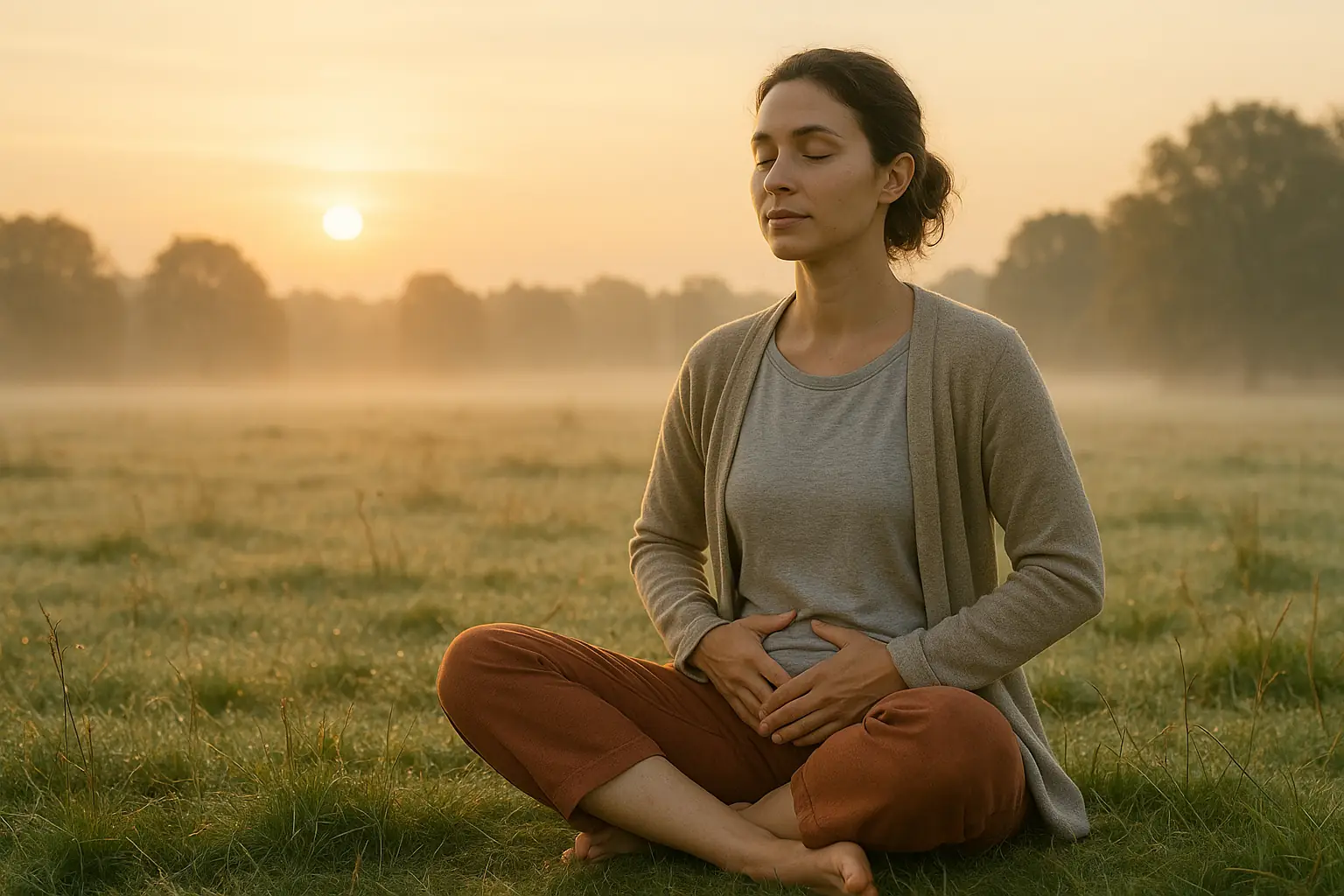
3-Minute Grounding Practice Method
Even during a busy morning getting ready for work,
3 minutes is enough.
Follow these 3 simple steps.
Step 1: Sit Comfortably
Sit on a chair or floor
with legs naturally placed,
releasing as much tension from your body as possible.
Step 2: Breathe Deeply
Inhale deeply through your nose slowly,
and exhale slowly through your mouth or nose.
Focus on the flow of your breath in and out.
Simply observing your breath
calms the mind significantly.
Step 3: Focus on Surrounding Sounds and Sensations
Close your eyes or half-close them
and notice sounds around you,
the air touching your skin,
and the sensation of your feet touching the ground.
The essence of grounding is to stay fully present
and experience the moment's sensations.
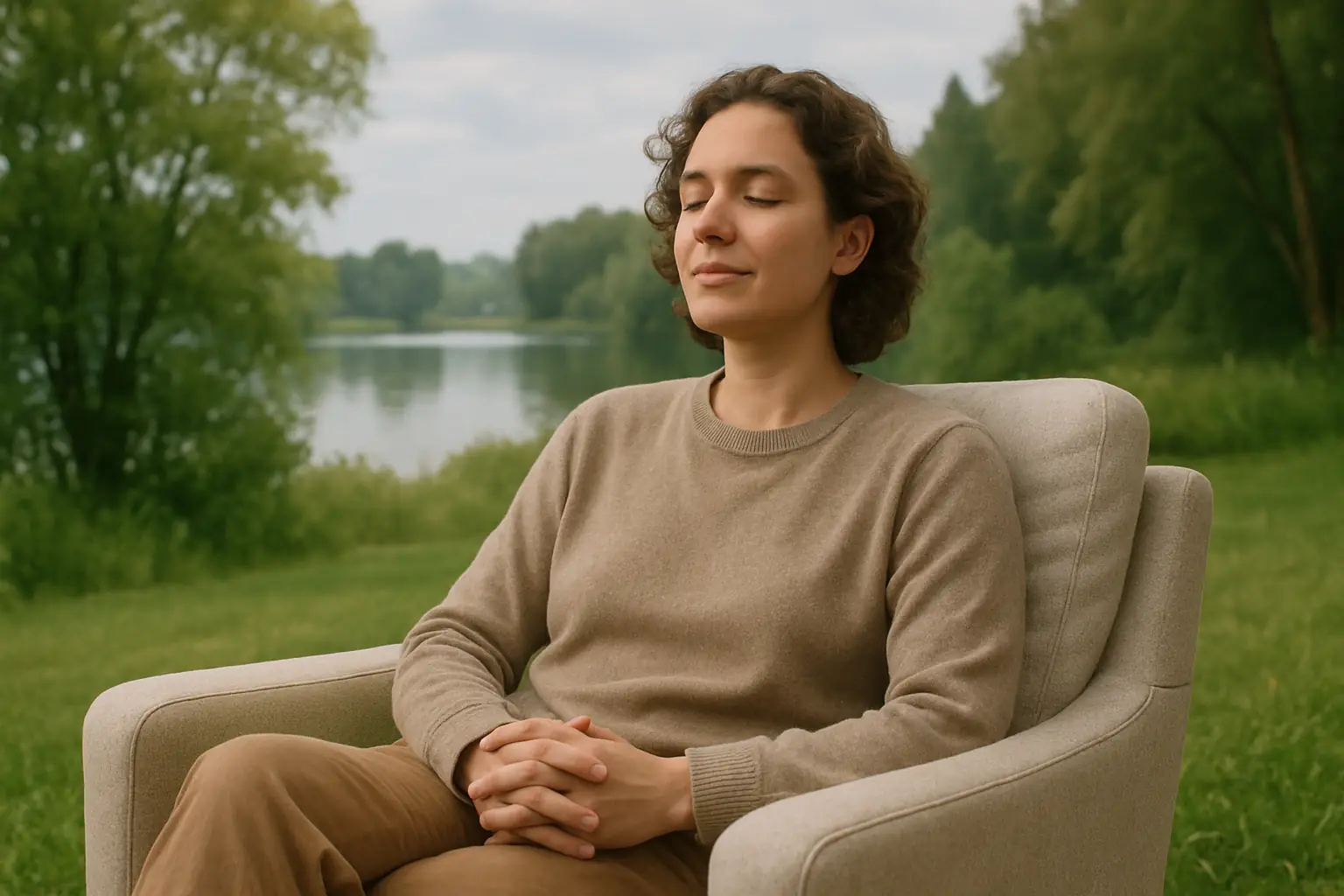
Scientific Evidence and Effects
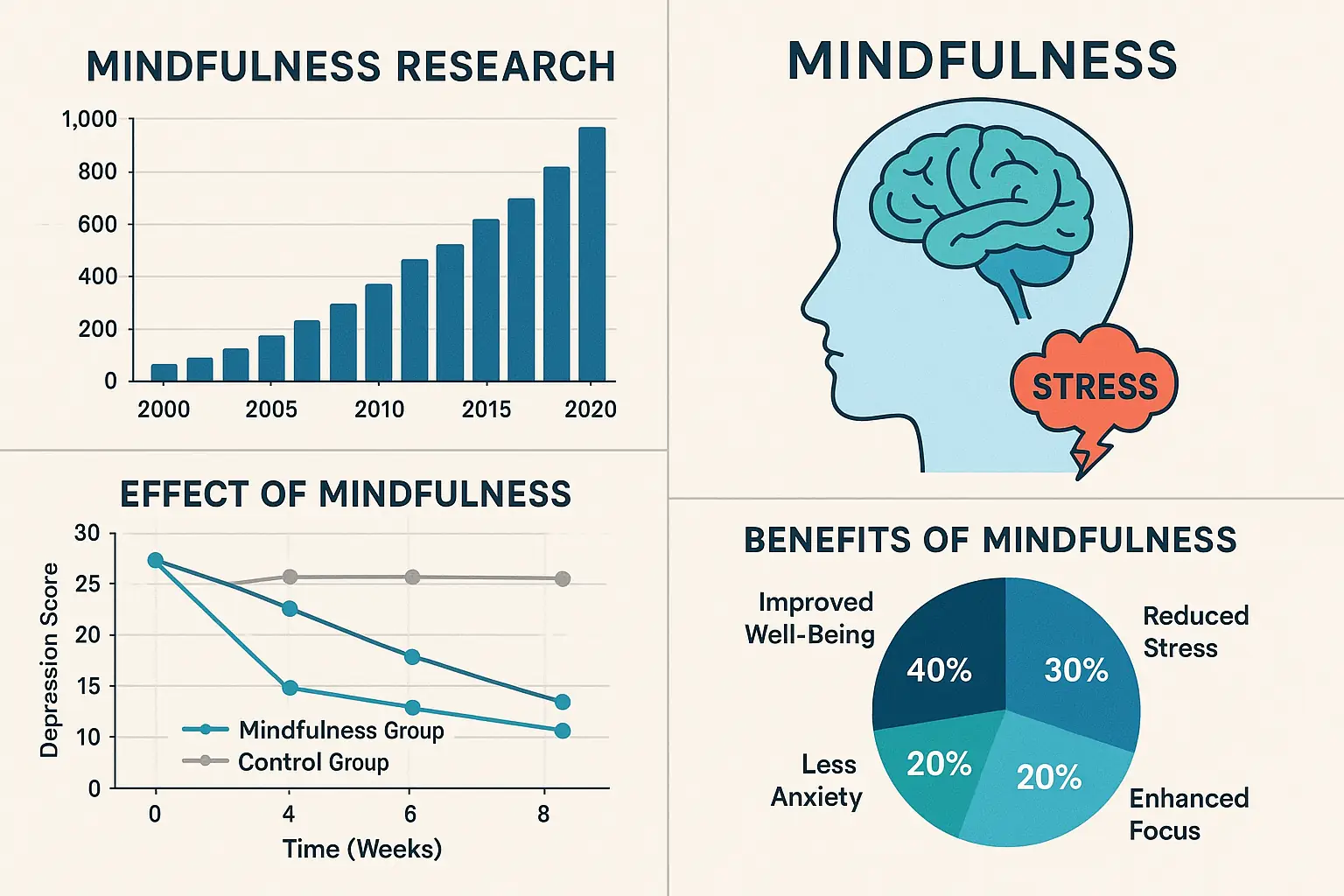
Research consistently shows
that mindfulness meditation effectively reduces stress.
Researchers at Harvard University reported
that an 8-week mindfulness meditation program
significantly lowered cortisol,
the stress hormone.
Grounding, as a form of mindfulness,
is especially useful
because it can be practiced anytime in daily life.
Additionally, various studies have found
grounding positively impacts anxiety reduction,
sleep quality improvement,
and enhanced concentration.
For example, a 2020 study in the Journal of Clinical Psychology
introduced grounding techniques
combined with body-scan meditation
helping alleviate symptoms
in anxiety disorder patients.
If you want to learn more about mindfulness and grounding,
I recommend reading
Find Calm in Just 5 Minutes with Mindfulness Meditation.
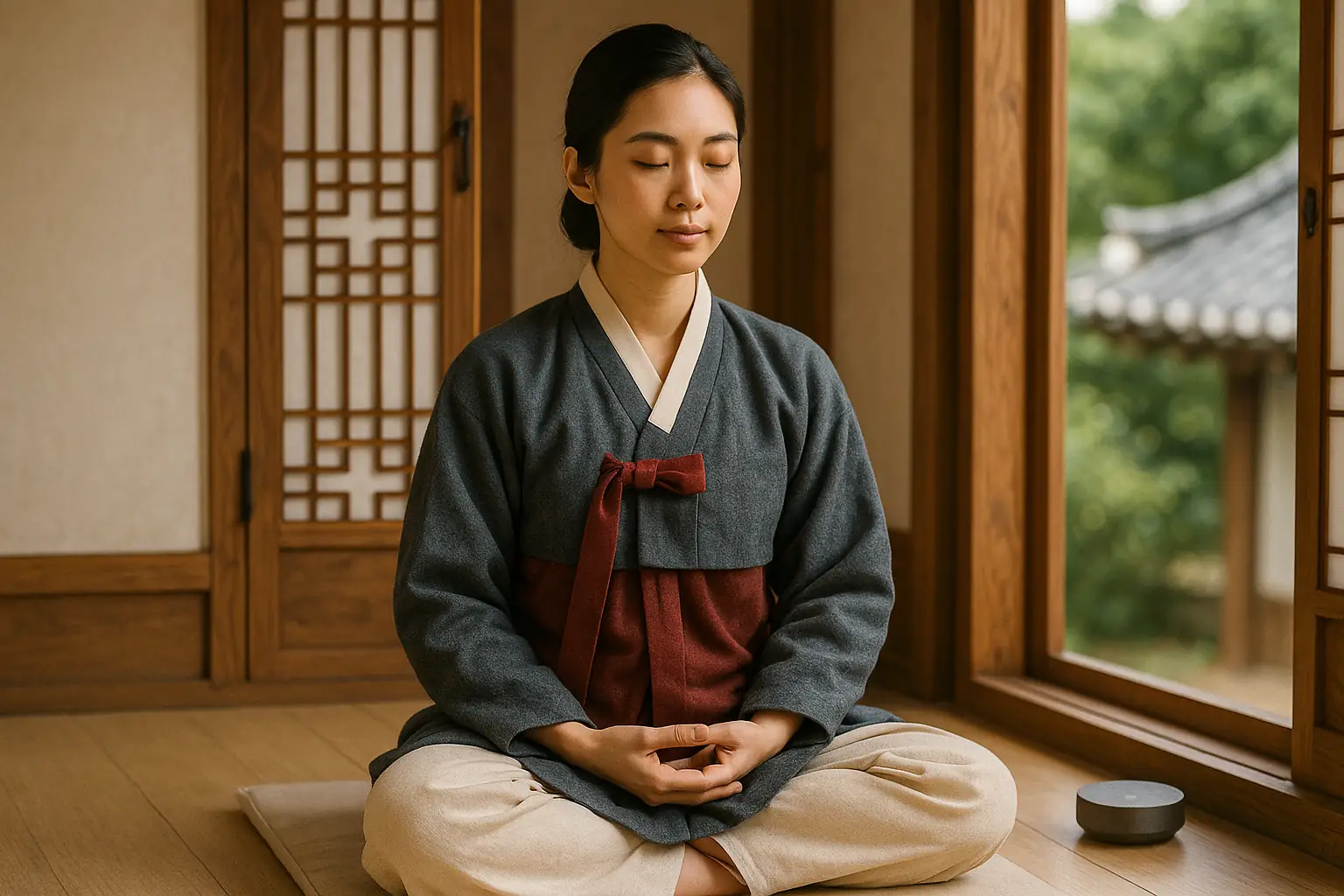
The Connection Between K-Meditation and Grounding
Traditional Korean meditation,
including Buddhist Seon (Zen) practice,
has long emphasized deep inner exploration
and mindfulness.
Modern K-meditation blends these traditional techniques
with contemporary psychotherapy and mindfulness,
evolving into practical methods
suited for daily life.
Grounding is widely used in K-meditation
as 'rooting the mind'
or 'finding harmony between body and mind.'
This technique aligns with the Korean wellness culture
that values mental well-being,
regarded as both the foundation and starting point
of mindfulness practice.
K-meditation's unique blend of tradition and modernity
is gaining overseas attention,
establishing grounding and mindfulness
as part of Korea's distinctive wellness philosophy.
If you are curious about daily mindfulness tips
from K-meditation experts,
check out
Living Fully Every Moment: K-Meditation Expert's Daily Mindfulness Checklist.
Applying Grounding Techniques in Daily Life
Grounding helps not only during the 3 minutes before work
but also when stress suddenly arises during work.
For example, when your body stiffens
and your head feels heavy in front of a computer,
close your eyes briefly
and focus on your breath
or listen attentively to surrounding sounds.
This method brings immediate tension relief
and mental calmness.
Nowadays, you can systematically learn
mindfulness and grounding
through guided meditation apps.
I personally use apps like 'Insight Timer' and 'Calm,'
which offer various short meditation courses
perfect for pre-work routines.
Even brief but consistent practice
helps manage stress
and improves sleep quality.
If you are a busy professional,
try to make the following simple practices
part of your daily routine:
These short but meaningful moments
add up to everyday wellness.

Closing — Start Your Day with 3-Minute Grounding Today
Just 3 minutes before work,
use grounding to center your day.
Practicing staying 'here and now' amid a complicated world
becomes a great asset for your mental health and wellness.
Consistent mindfulness habits create positive changes
in stress management, concentration, sleep,
and overall quality of life.
Start your day more steadily
with this simple grounding technique.
If you want more mindfulness tips and meditation methods,
please subscribe to my newsletter!
Written by Sujin Lee (Botonglee)
References
Services by Botonglee