7 Science-Backed Ways to Improve Sleep Quality — Why Good Sleep Is the Best Medicine
The cornerstone of any healthy routine is improving the quality of your sleep. True rest and recovery are only possible when you establish regular sleep habits, create the right environment, and achieve harmony between body and mind. Drawing from 18 years of experience with meditation, yoga, and Pilates—combined with scientific evidence—this guide introduces a sleep wellness routine that anyone can follow. Let’s explore actionable steps to boost your sleep quality and move toward a more balanced, wellness-focused lifestyle.
Sleep quality isn’t just about how many hours you spend in bed. Sleep is the time when your body and mind unwind and recover. A relaxed body leads to a calm mind, and a peaceful mind is essential for deep sleep. Practices like meditation, breathing exercises, and appropriate physical activity help bridge this connection between body and mind.
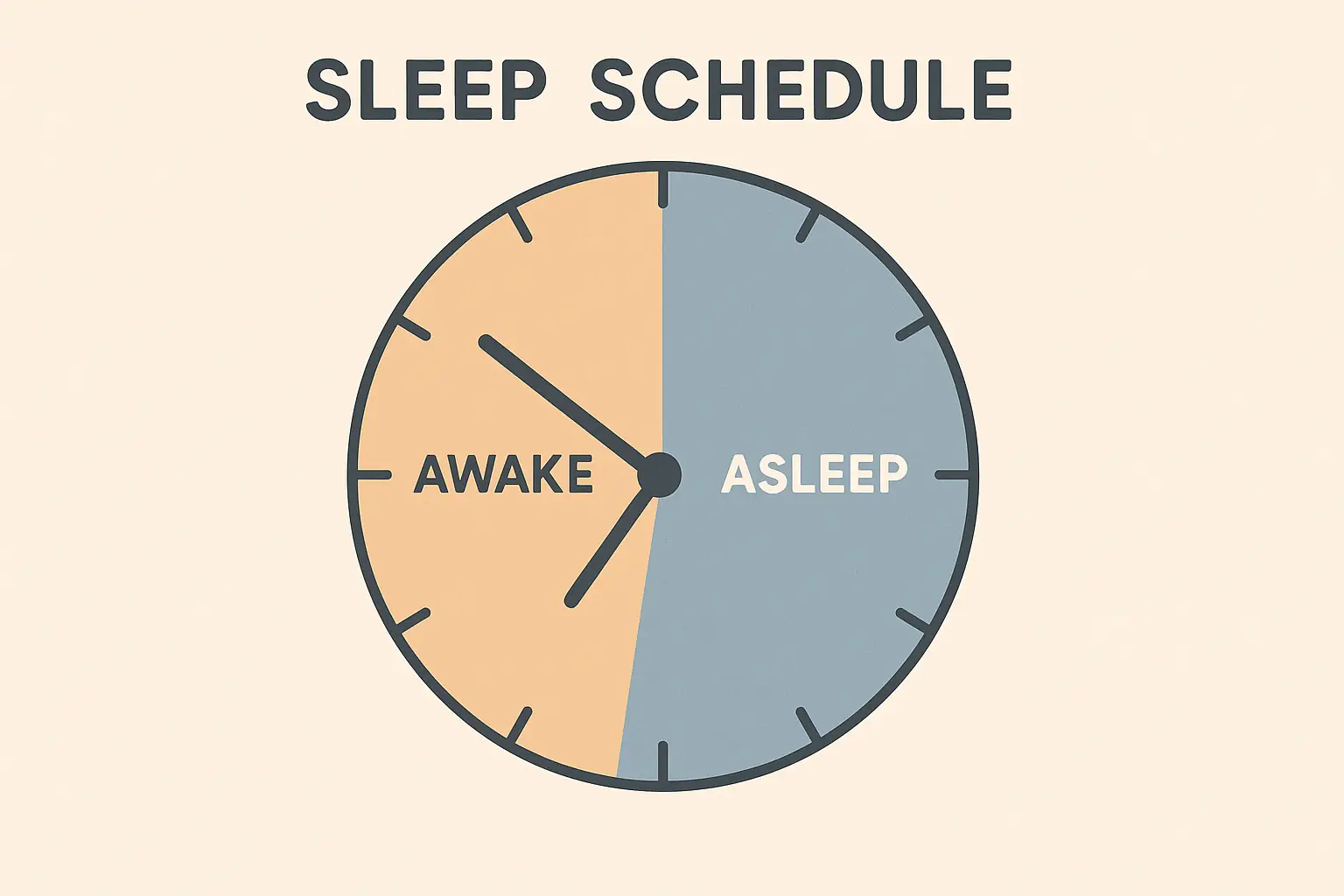
1. Consistent Sleep Schedule — Honor Your Body Clock
The most fundamental principle for better sleep is going to bed and waking up at the same time every day. Sleeping in on weekends can disrupt your internal clock, leading to accumulated fatigue.
> Tip: Even if you go to bed late during the week, avoid sleeping in excessively on weekends. Try to wake up at your usual time to keep your body clock steady.
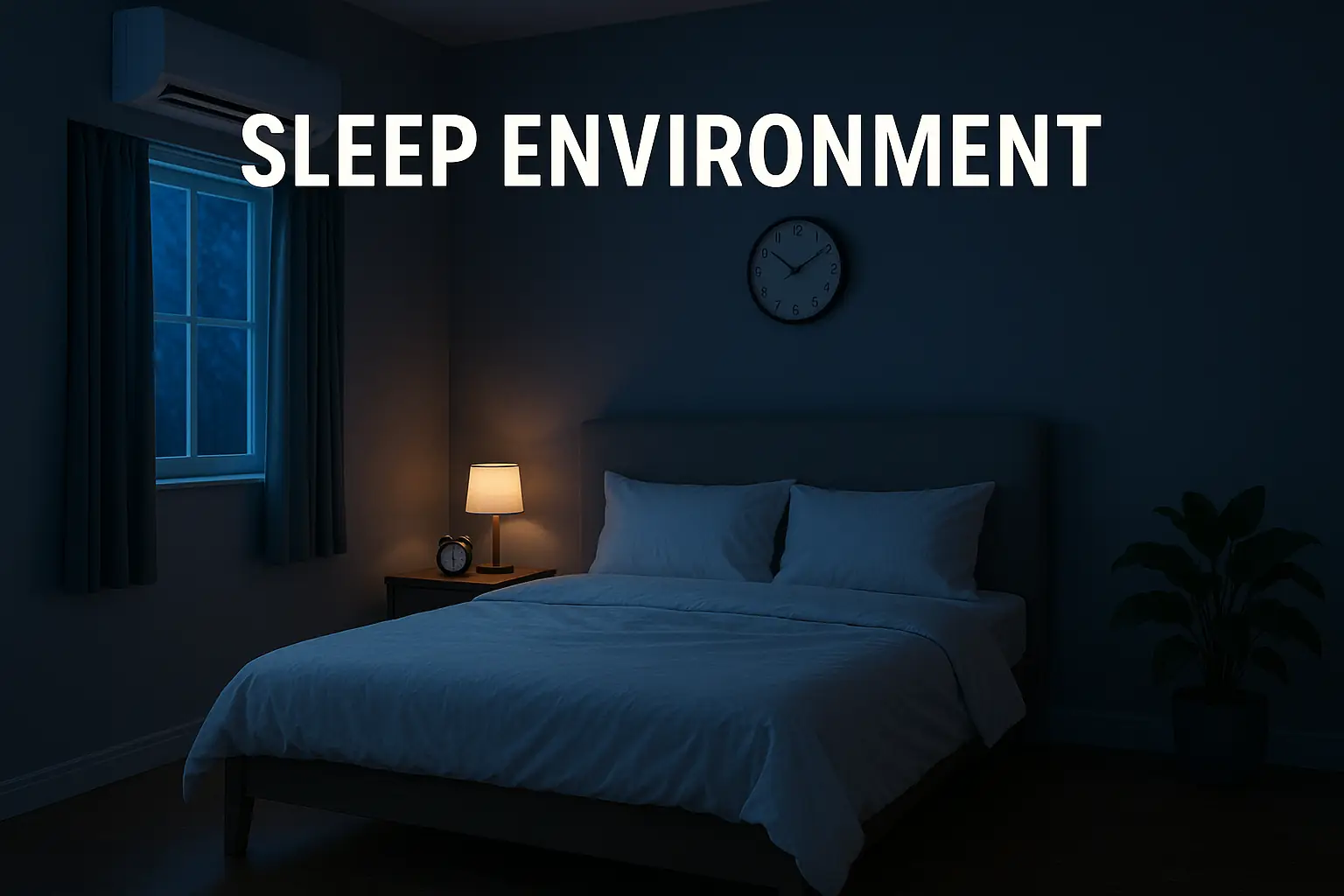
2. Optimize Your Sleep Environment — Make Your Bedroom a Sanctuary
Your sleep environment plays a vital role in helping your body relax naturally. Factors like light, noise, and temperature can all significantly impact your sleep quality, so pay close attention to these details.
1) A dark, blackout space
2) Room temperature maintained between 18–22°C (about 64–72°F)
3) Block out external noise or use white noise
> Tip: If you wake up at dawn, avoid turning on lights or looking at your phone. Keep the room dark to help yourself drift back to sleep naturally.
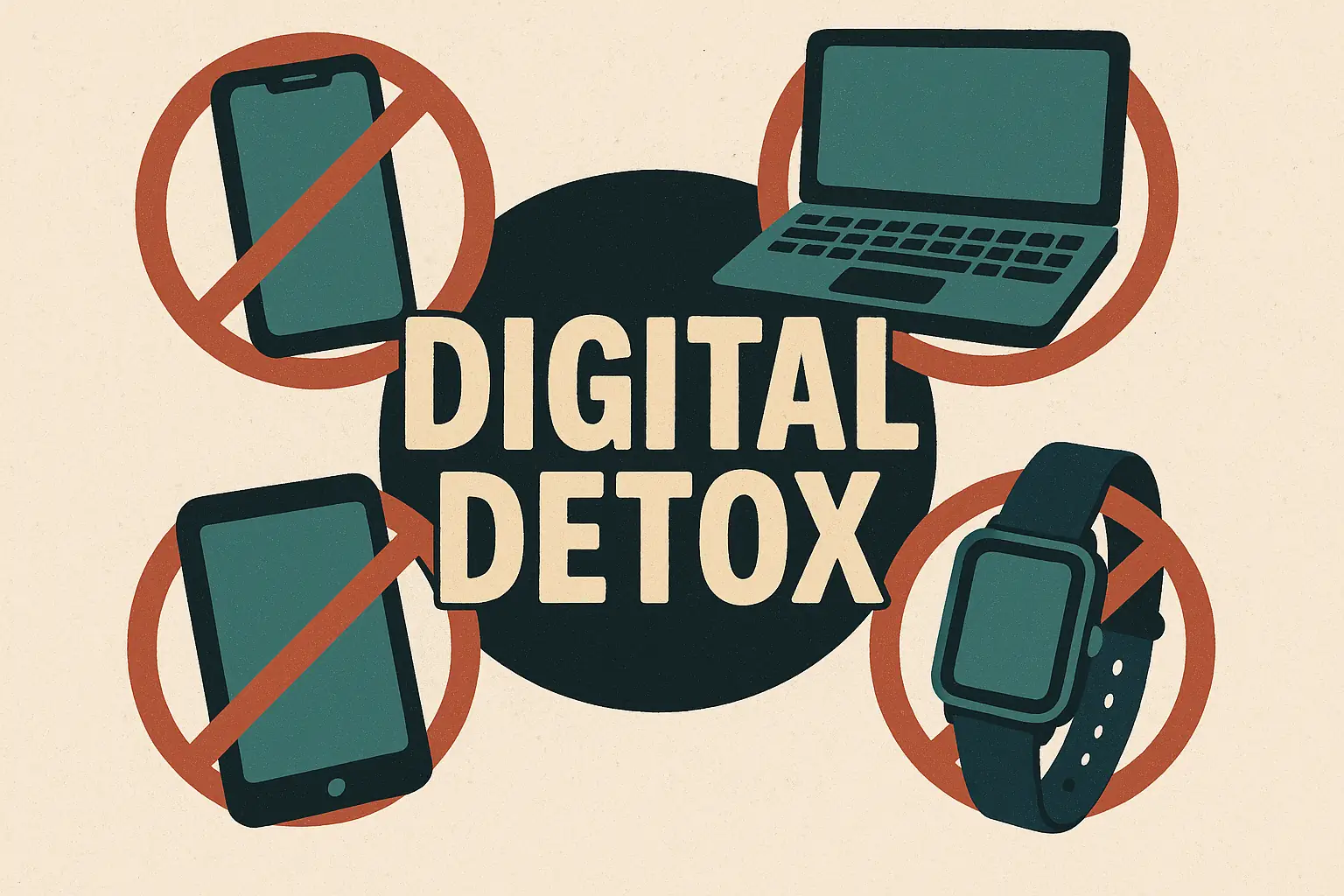
3. Digital Detox in the Evening — Power Down Devices 1 Hour Before Bed
Blue light from electronic devices inhibits the release of melatonin, the sleep hormone. Using your phone, computer, or TV late into the evening can make it harder to fall asleep and lowers sleep quality.
4. Manage Caffeine and Alcohol — Avoid Sleep Disruptors
Caffeine’s stimulating effects can last over six hours, so consuming it late in the day can interfere with deep sleep. Alcohol may make you drowsy at first, but it increases wakefulness in the second half of the night, disrupting your rest.
5. Exercise and Sleep — Move Your Body for Better Rest
Regular physical activity is highly effective for improving sleep quality. However, intense exercise right before bed can actually make you more alert.
> Tip: Try repeating the ‘cat-cow pose’ in yoga for five minutes in the evening. It gently loosens the spine and calms both body and mind.
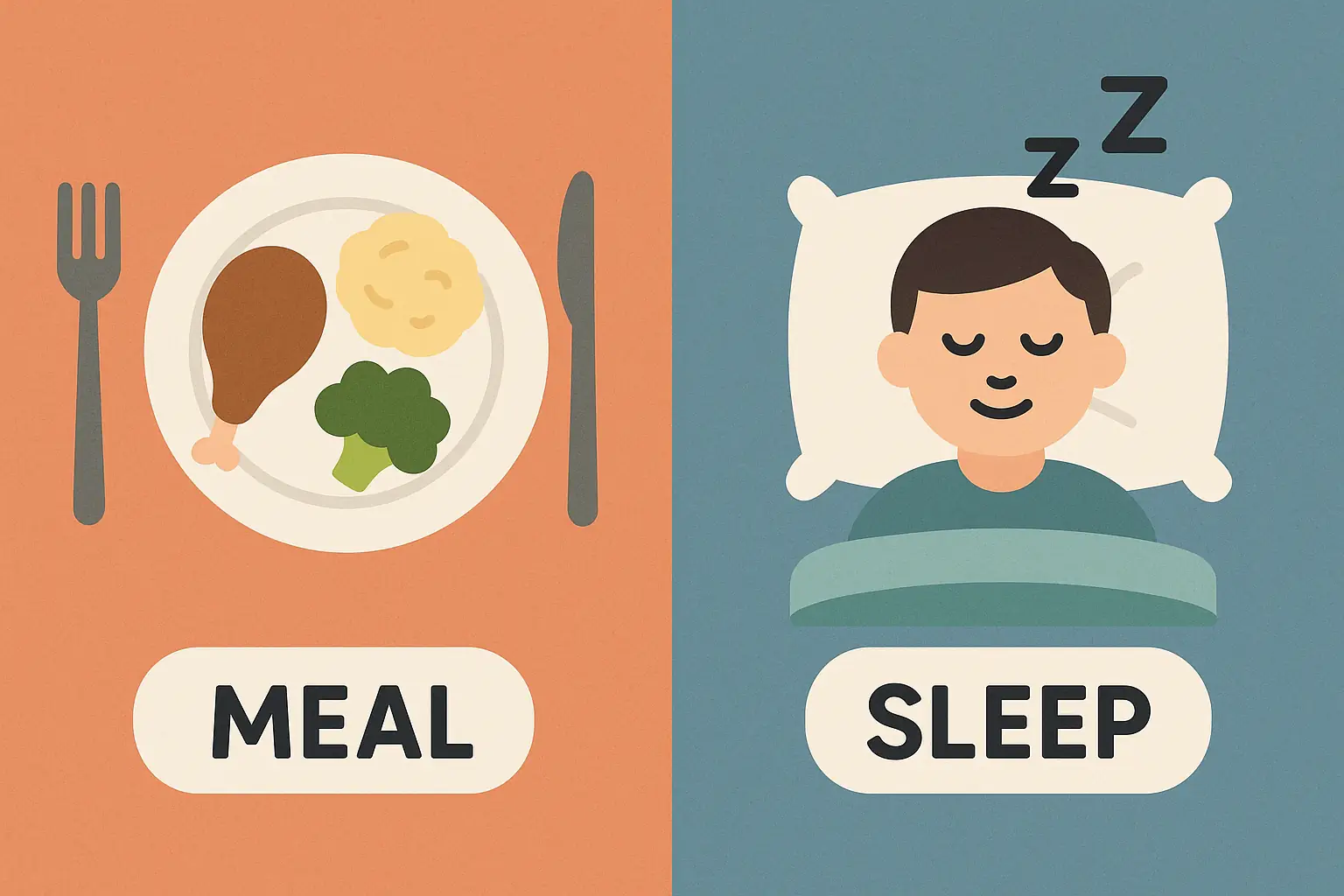
6. Meals and Sleep — Light, Regular Dinners
Eating light, easily digestible meals helps reduce digestive strain during sleep, promoting better rest. In contrast, heavy or late-night meals—especially fatty foods—can lower sleep quality.
7. Calm the Mind — Prepare for Sleep with Meditation and Deep Breathing
Even if your body is relaxed, a restless mind can keep you awake. Meditation and deep breathing are excellent for relaxing both body and mind, helping you release tension before bed.
> Tip: Try the ‘4-7-8 breathing method’: Inhale through your nose for 4 seconds, hold your breath for 7 seconds, and exhale slowly through your mouth for 8 seconds. This technique is highly effective for calming your mind and body before sleep.
Timing and Consistency Guide
Morning
During the Day
Evening
How Long Until You See Results?
Consistency is key. While results may vary based on your constitution and lifestyle, most people notice a significant difference in body and mind after three months of steady practice.
5 Healthy Habits to Practice Daily
Good sleep isn’t just about rest—it’s the most effective health routine for recharging both body and mind. When you improve your sleep quality, you’ll notice better mental health, smoother morning routines, and increased productivity throughout your day. Try implementing these seven science-backed strategies step by step to achieve deeper, healthier sleep and a more balanced wellness lifestyle.
If you’d like to learn more about building a healthy routine and wellness lifestyle, check out How to Build a Healthy Routine in 7 Steps: Complete Your Wellness Lifestyle.
Want more wellness tips and practical guides? Subscribe to the newsletter!



Services by Botonglee