Activating Your Inner Energy with Chakra Meditation — Understanding and Using the 7 Energy Centers
It’s widely recognized that meditation and mindfulness are effective for managing daily stress and supporting overall wellness. Among various practices, chakra meditation stands out for its ability to harmonize the flow of energy through the body, emotions, and spirit, helping you find inner balance. In this article, you’ll find a detailed introduction to the basics of chakras, step-by-step meditation techniques, and insights into how K-meditation (Korean-style meditation) incorporates chakra work. Even if you’re new to meditation, you’ll find practical, easy-to-follow methods to get started.
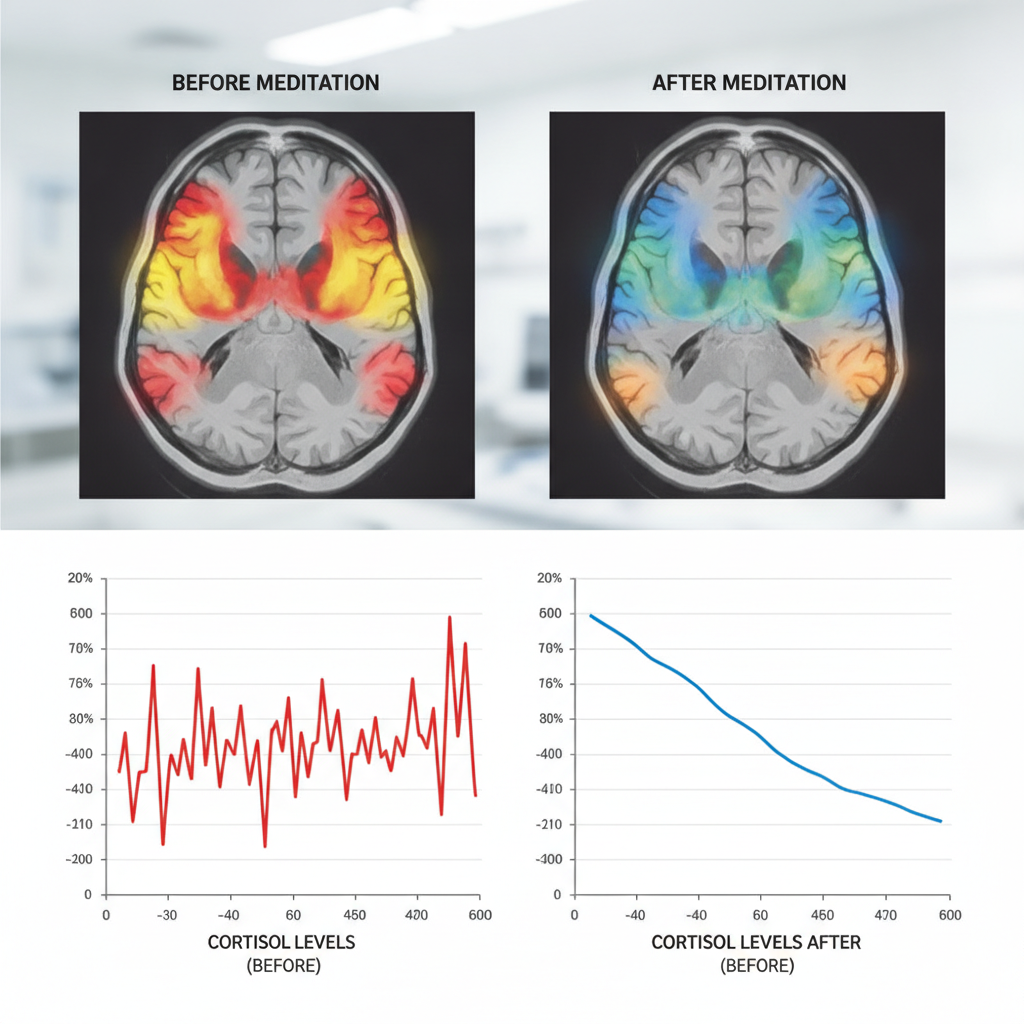
Chakra meditation combines core mindfulness techniques like breathwork and body scanning to release physical and mental tension, and it’s highly effective for practices such as sleep meditation or stress management. Recent scientific research shows that meditation positively affects brain function and reduces cortisol levels—the stress hormone—demonstrating that regular practice can contribute significantly to a healthy, well-balanced life.
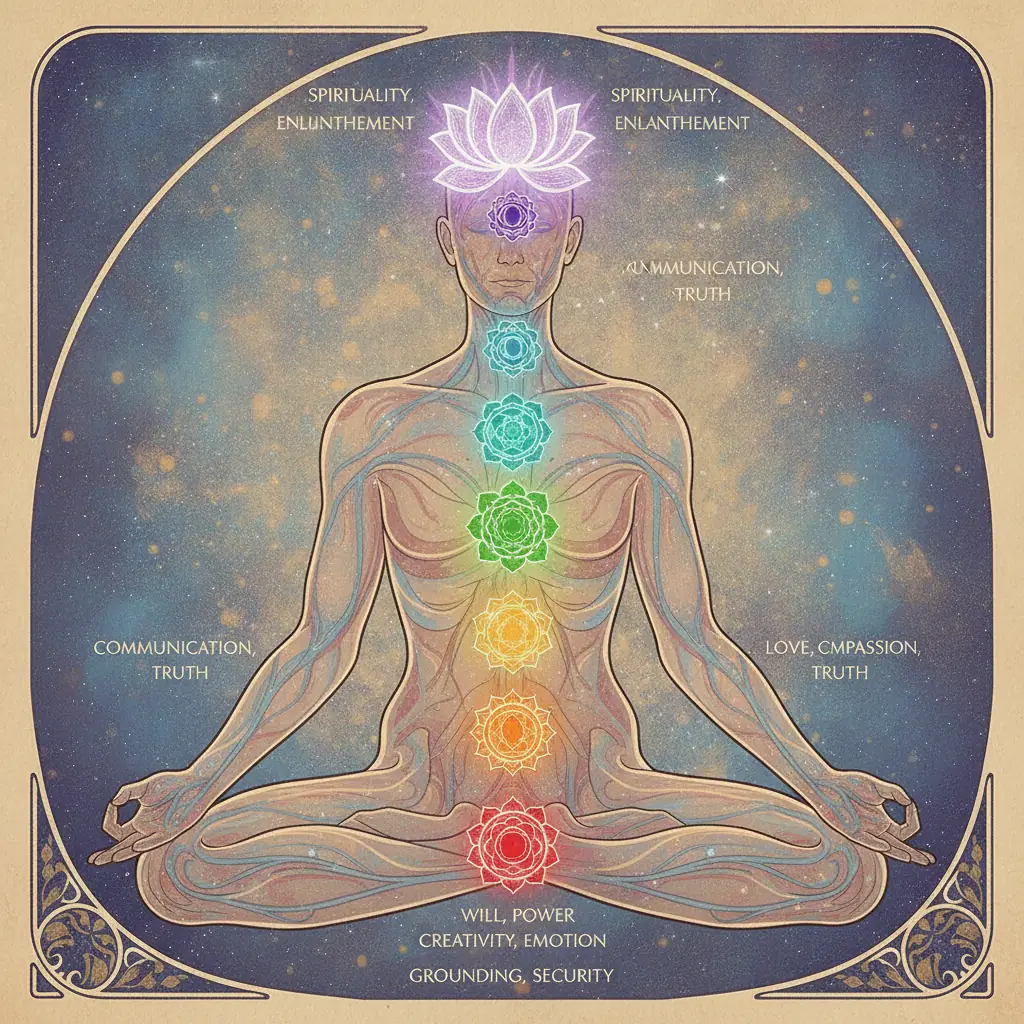
What Are Chakras?
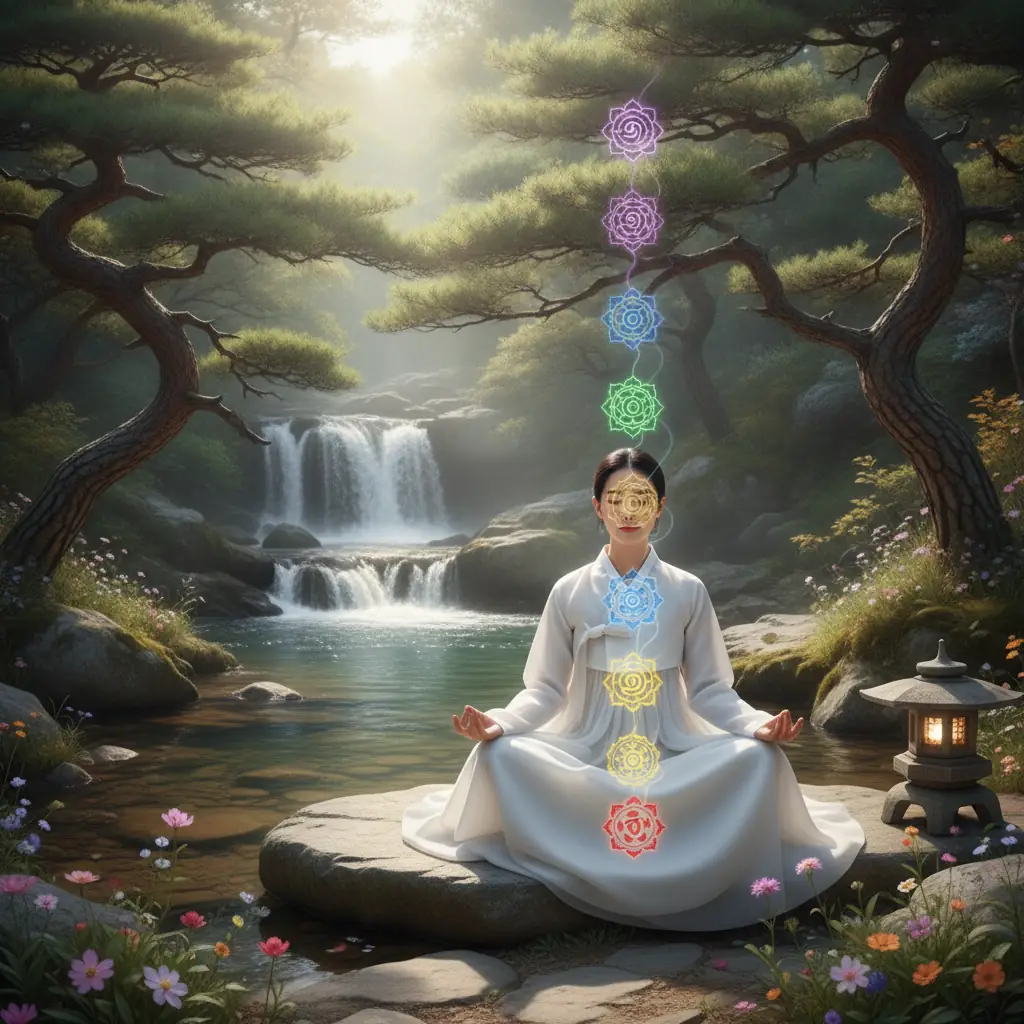
The word chakra comes from Sanskrit, meaning ‘wheel’ or ‘circle’, and originates from traditional Indian philosophy. There are seven main energy centers in the human body, each called a chakra. Every chakra is associated with specific body parts, emotions, and states of consciousness. When these centers are balanced, they promote both physical health and emotional stability.
When a chakra is blocked or out of balance, you may experience physical or emotional discomfort. That’s why chakra meditation is important for keeping your energy flowing smoothly.
How to Practice Chakra Meditation — A Step-by-Step Guide for Beginners
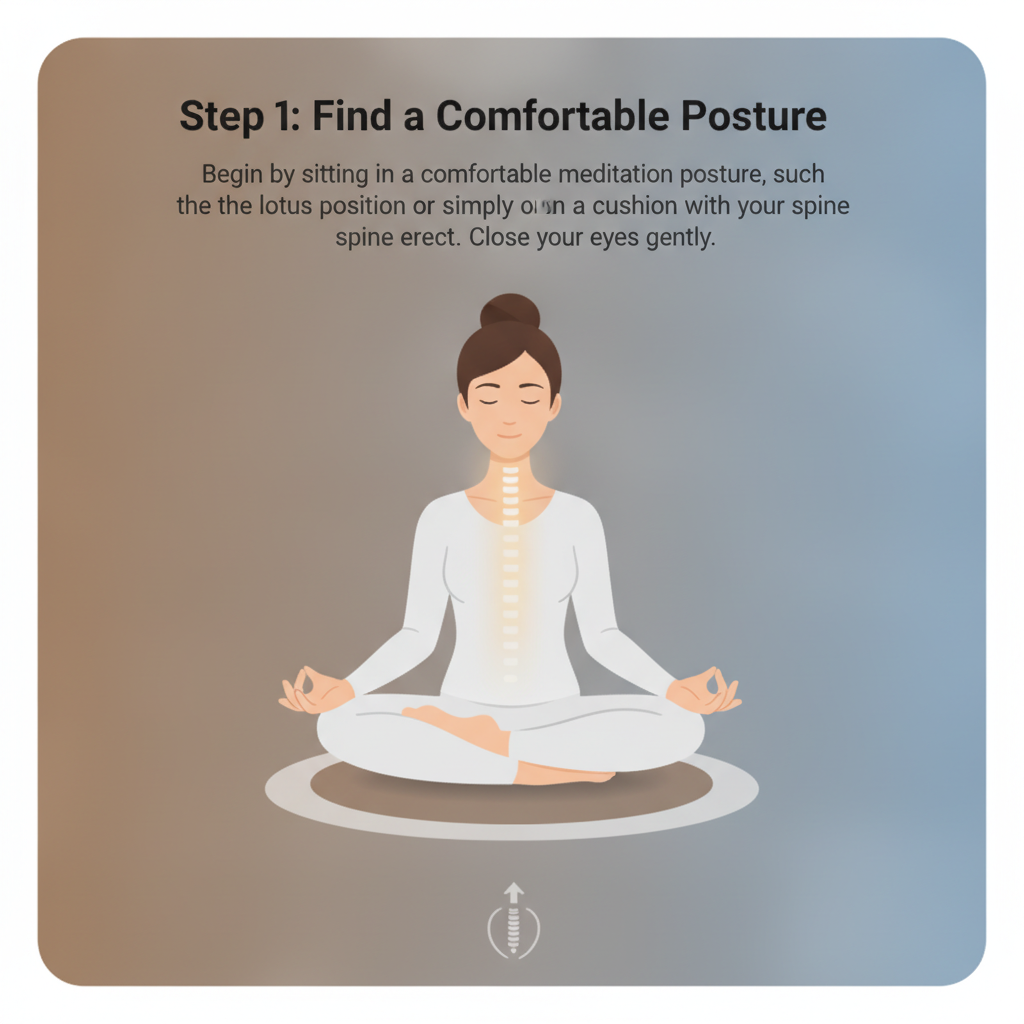
Chakra meditation is a form of mindfulness that anyone can practice without special tools. Follow these steps to gently tune into your inner energy:
You can sit on a chair, cross-legged on the floor, or lie down—whatever feels most comfortable. Keep your back straight and relax your shoulders.
_Time: 1–2 minutes_
_Effect: A stable posture helps you focus during meditation._
Inhale and exhale slowly and deeply through your nose, paying attention to the flow of your breath.
_Time: 3–5 minutes_
_Effect: Focusing on the breath anchors your mind in the present moment, enhancing mindfulness._
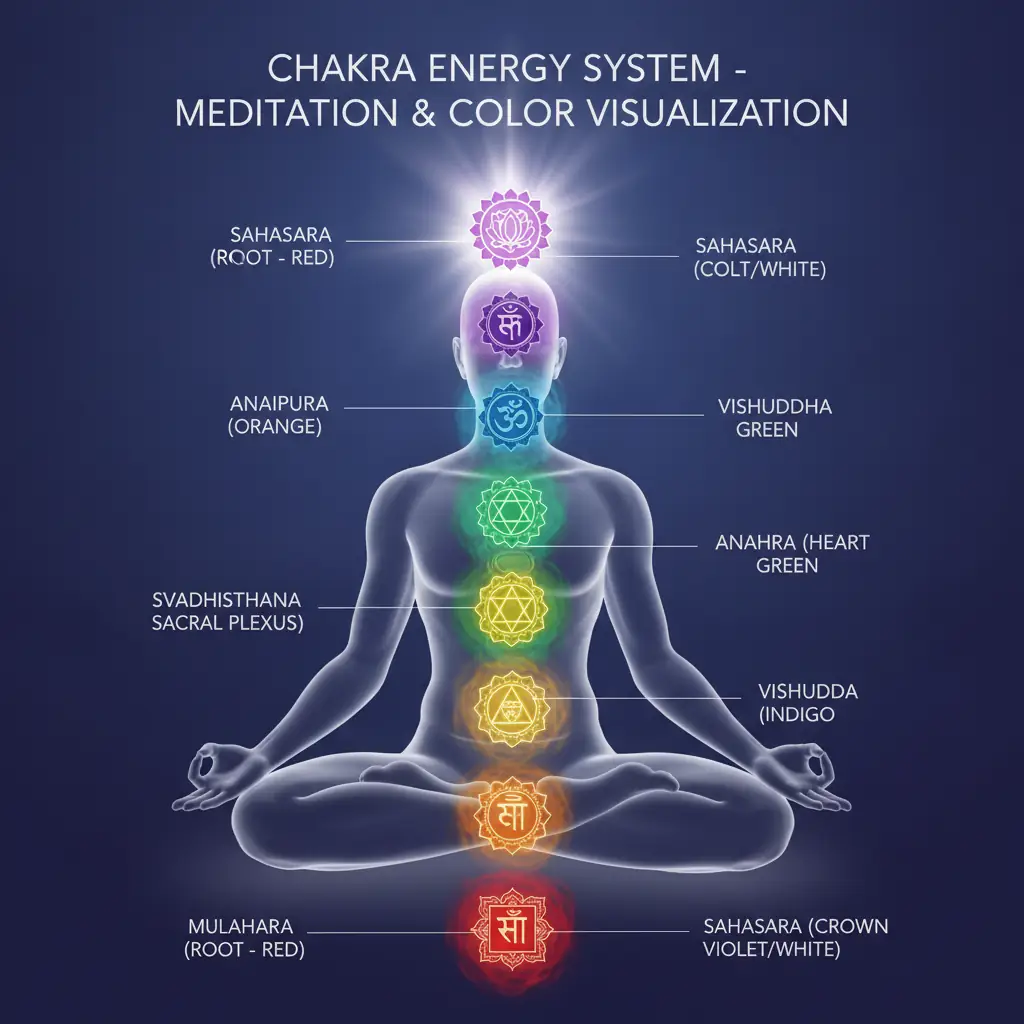
Mentally picture the location of each chakra, imagining a specific color and light radiating from that area (for example, red light for the root chakra).
_Time: 3–5 minutes per chakra_
_Effect: Increases awareness of the mind-body connection and supports energy circulation._
For example, at the heart chakra, repeat thoughts of love and compassion; at the throat chakra, focus on honest self-expression.
_Time: 3–5 minutes per chakra_
_Effect: Activating these emotional energies deepens psychological stability and self-acceptance._
Visualize energy moving gently from your head to your toes as you take deep, calming breaths.
_Time: 2–3 minutes_
_Effect: Enhances the sense of harmony between body and mind, improving meditation focus._
Don’t rush to get up; gently move your body and transition back to daily life while maintaining your meditative state.
_Time: 1 minute_
_Effect: Helps the benefits of meditation carry over naturally into your day._
> Tip: If you’re a beginner, it’s better to focus on just one or two chakras per session rather than all seven at once.
> Tip: If distracting thoughts arise, don’t fight them—simply return your attention to your breath each time.
Chakra-by-Chakra Meditation Guide — How to Activate All 7 Chakras
Each chakra has unique qualities and energy, so using specific meditation techniques for each can be especially effective.
> Tip: Take 1–2 minutes of slow, deep breathing before and after each chakra meditation to enhance your focus.
> Tip: Using crystals or scents associated with each chakra’s color can further boost the effects of your meditation.
The Science Behind Chakra Meditation
Recent neuroscience and psychology studies show that meditation can bring about positive changes in both brain structure and function. Meditation methods that integrate body awareness and emotions—like chakra meditation—have been shown to offer the following benefits:
For example, brain scans of participants in an 8-week meditation program showed significant improvements in emotional regulation and stress response. (For more, see Meditation Changes the Brain — 8 Weeks of Transformation Proven by Neuroscience)
In this way, meditation bridges traditional energy concepts and modern science, leading to positive changes for both mind and body.
K-Meditation and Chakras — The Evolution of Korean Meditation
In Korea, traditional Seon (Zen) practices are now being combined with modern psychology and the wellness industry, resulting in new interpretations of chakra meditation. K-meditation is characterized by:
These K-meditation programs are easy to incorporate into daily life, offering the depth of traditional meditation while fitting the modern lifestyle. Many people also combine digital detox meditation to relieve stress from excessive smartphone use. For more on this, see Digital Detox Meditation: The Power of 30 Minutes Without Your Smartphone.
Sustaining Your Chakra Meditation Practice — Tips for Consistency
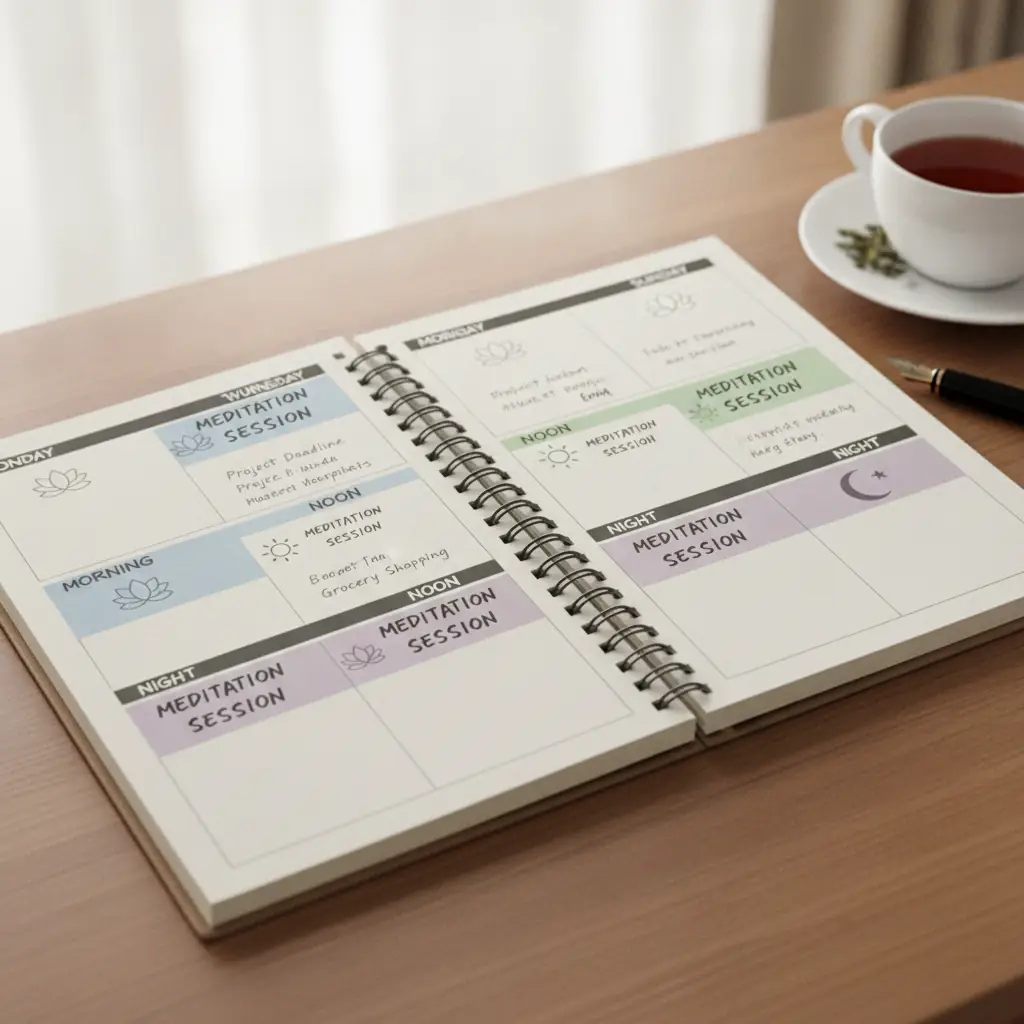
The benefits of meditation come with regular practice. Here are some tips to help you maintain your chakra meditation routine:
Focus on just one or two chakras at a time and observe subtle changes in your energy. It may be hard to notice effects at first, but consistency is key.
Try meditating on all seven chakras, either one per day or in sequence. You’ll notice smoother energy flow and greater emotional stability.
As meditation becomes a habit, you’ll feel positive changes like reduced stress, better sleep, and greater self-acceptance.
In addition to chakra meditation, try including simple abdominal breathing, body scans, or regular walks in nature for even better results.
> Note: If you experience sudden anxiety, severe headaches, or dizziness during meditation, stop immediately and consult a professional.
Exploring and activating your inner energy through chakra meditation can be a powerful tool for managing stress and supporting wellness in modern life. With regular practice and mindfulness, you can achieve harmony between body and mind, discovering a healthier version of yourself each day. For more in-depth meditation tips and useful resources, consider subscribing to our newsletter.
References
Discover your inner energy through chakra meditation. Consistent practice leads to a healthier, more balanced life.
Services by Botonglee