AI Tools Guide: A Comprehensive Look at History, Present, and Future
When I first heard the term "AI Tools Guide," it felt vague to me too.
But the changes AI brings to the workplace
are bigger and faster than expected.
Revolutionary technologies have always reshaped our lives,
and today's AI tools are driving changes
as significant as the industrial or internet revolutions.
In this guide, I'll walk you through the historical evolution of AI tools,
introduce the latest trending AI solutions,
share practical workplace applications,
and explore what the future may hold—
all grounded in real-world experience.
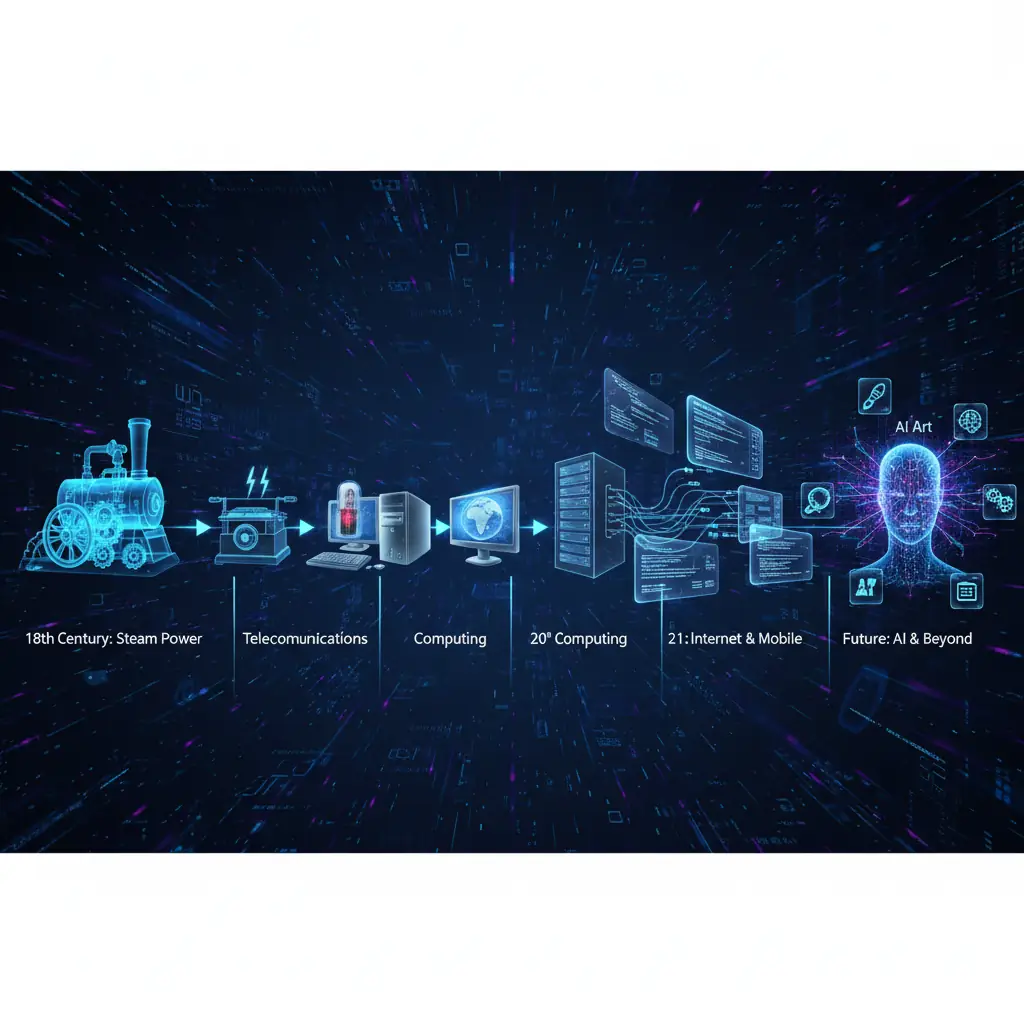
Historical Development of AI Tools: From Past to Present
Technological innovation has always brought major shifts in human life.
From the steam engine to electricity, computers, and the internet,
AI now opens a new paradigm.
AI research began in the 1950s,
but practical adoption in workplaces only accelerated
after the mid-2010s,
fueled by advances in cloud computing,
big data, and deep learning.
Today, AI tools are indispensable for workflow automation,
data analysis,
and content creation.
Personally, delegating repetitive tasks to AI
has allowed me to use my time and energy much more efficiently.
Introduction to Today's Most Prominent AI Tools
As of March 2026, one of the most talked-about AI tools is 'Claude 3.'
I've recently used Claude 3 in my own work
and noticed a clear difference.
Claude 3 is an LLM-based AI developed by Anthropic,
showing near-human performance in natural language understanding and generation.
Compared to GPT-4, it stands out for ethical controls and stability,
making it a top choice for enterprise solutions.
It excels in areas like customer support, document summarization,
and coding assistance,
leading to higher user satisfaction in practical settings.

How to Use AI Tools: Practical Cases in the Workplace
How can you actually use AI tools?
At first, I felt overwhelmed too,
but following these steps helped me get comfortable quickly.
Following these steps, you'll notice significant time savings,
especially for repetitive text-based tasks.
Personally, using AI for email writing and code review
has boosted my productivity.

The Future of AI Tools: What to Expect
AI tools will soon have more human-like interactions
and autonomous decision-making abilities.
After trying out multimodal AI and real-time collaboration features,
I'm convinced that work processes will change dramatically.
Key directions include multimodal AI, real-time collaboration,
personalized AI assistants,
and advanced ethical guidelines.
These changes will extend beyond productivity
to creative problem solving and decision support.
For companies, it's crucial to see AI tools as strategic partners,
actively aligning them with organizational culture and processes.

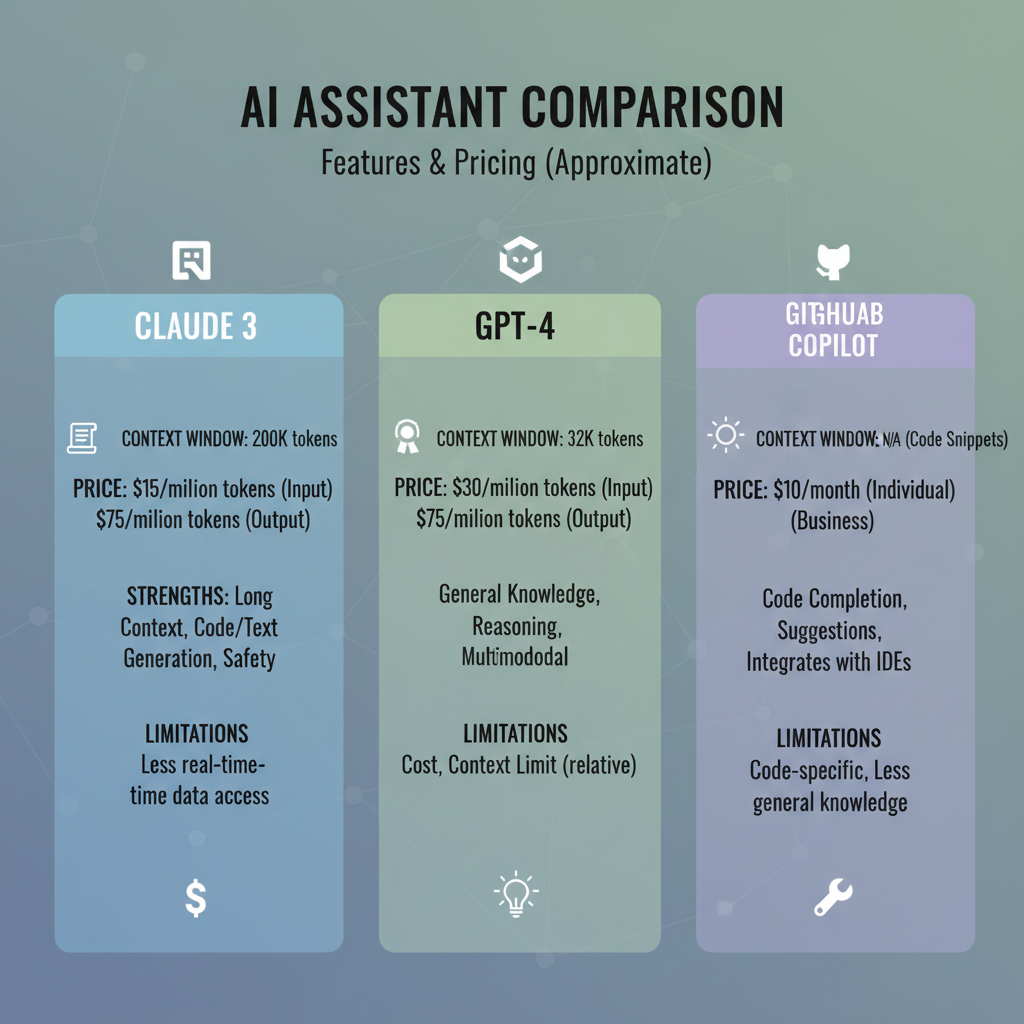
Expert Usage Strategies and Alternative Tool Comparison
| Tool | Key Features | Price (Monthly) | Best For |
|------|--------------|------------------|----------|
| Claude 3 | Strong ethical control, stable LLM | 50~200 USD | Customer support, docs, coding |
| GPT-4 | Versatile, broad API support | 30~150 USD | General NLP and generation |
| GitHub Copilot | Coding-specialized AI assistant | 10~30 USD | Developer productivity |
Each tool differs in features, pricing, and use cases,
so it's important to choose what fits you best.
I personally use a mix of tools depending on the situation
after hands-on experience.
Key Takeaways
AI tools, like past innovations,
are fundamentally changing how we work.
Latest AI tools such as Claude 3
excel in stability, ethics, and customization,
making them ideal for practical use.
Going forward, AI will offer greater potential
for collaboration and autonomy,
making technical understanding and strategic use
increasingly essential.
This guide is essential for practitioners and experts
who want to deeply understand AI technology
and aim for workplace innovation and productivity improvement.
— Botonglee
Services by Botonglee