Beginner’s Guide to ETF Investing: S&P500 vs Nasdaq100 vs Global Diversification Strategies
ETFs (Exchange-Traded Funds) are one of the most popular financial products that allow individual investors to diversify across various assets at a low cost. Especially, ETFs tracking major US indices like the S&P500 and Nasdaq100 are attractive options for those seeking both stability and growth from a long-term investment perspective. In this article, we’ll explore the differences between S&P500, Nasdaq100, and globally diversified ETFs based on recent market trends, and offer concrete guidance on building a portfolio and investment principles suitable for individual investors.
We’ll break down market analysis, the structure of each ETF, and investment philosophies in an easy-to-understand way, and provide practical guides you can apply directly to your own portfolio. This balanced overview covers asset allocation, long-term investing, and momentum management, helping you establish a solid starting point for your ETF journey.
This Week’s Market Trends: Changes in Korean and US Markets & Economic Indicators
Recently, the Korean stock market has shown a strong rebound. As of June 15, the KOSPI index stood at 8,587.41 points, up 5.71% from the previous week, and the KOSDAQ rose 0.85% to 1,037.81. A surge in net buying by foreign investors has been a major driver of this rally. The KRW/USD exchange rate fell slightly to 1,507.10 KRW, indicating a strengthening Korean won, which is a positive factor for overseas investors.
In the US, the spotlight is on SpaceX’s potential IPO, which has helped revive momentum among tech stocks. While detailed index data for the S&P500 and Nasdaq100 is not yet complete, the overall mood remains stable but with some volatility. The US Federal Reserve’s interest rate policy is also a key variable. Bank of Korea Governor Hyun-Song Shin recently commented that “interest rate hikes are needed without delay,” fueling expectations of rate increases both domestically and abroad.
A tightening rate environment can dampen domestic consumption and corporate investment sentiment, but it also underscores the importance of securing a margin of safety and the need for asset allocation. Exchange rate volatility should also be factored into portfolio management, as it can influence the strategies of international investors.
> As AI and semiconductor industries are drawing significant investor attention in both the US and Korean markets, you may also find AI and Semiconductor Industry Investment Insights helpful.

What is an ETF? Basic Concepts and Benefits for Individual Investors
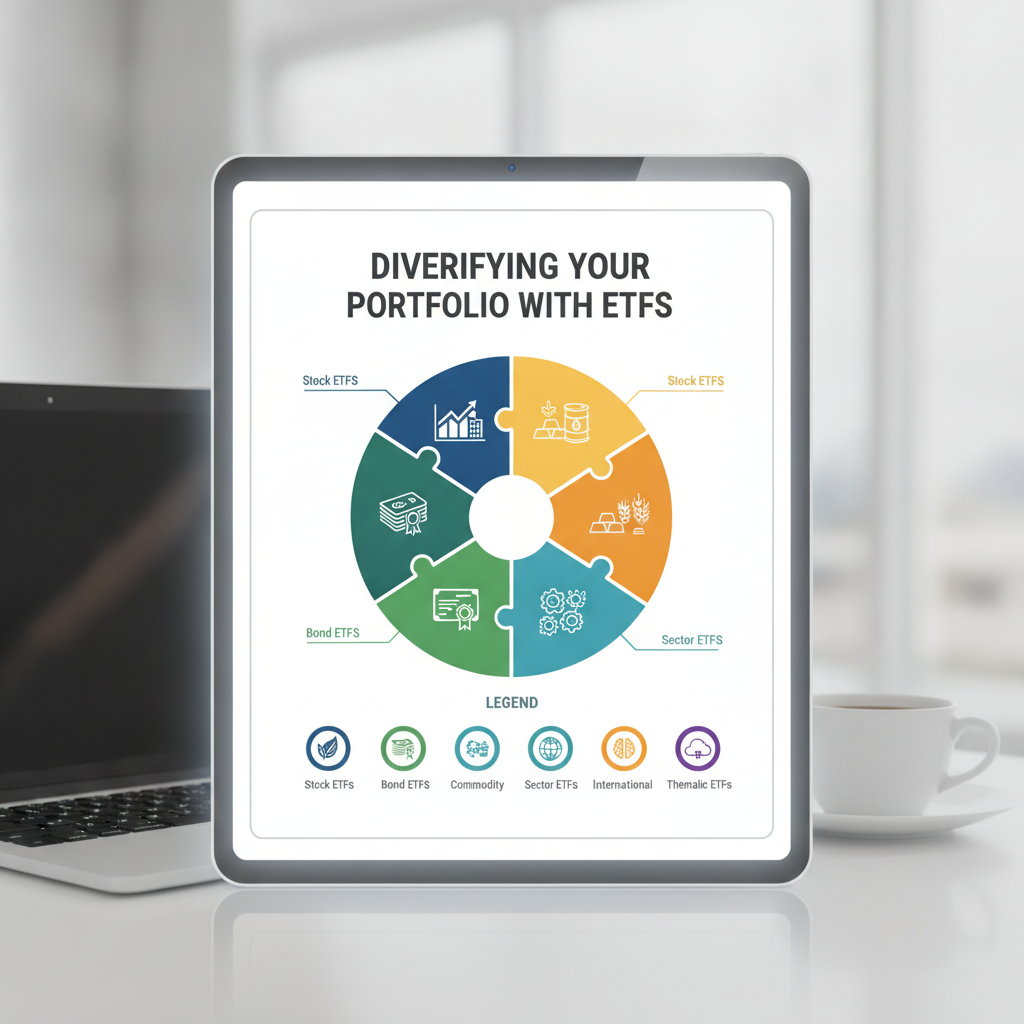
An ETF (Exchange-Traded Fund) is an index fund listed on the stock exchange, allowing real-time trading just like regular stocks. ETFs track a variety of asset classes, including stock indices, bonds, and commodities, while offering lower costs and higher liquidity compared to picking individual stocks.
The biggest appeal of ETFs is automatic diversification. For example, buying an S&P500 ETF gives you exposure to 500 leading US blue-chip companies in a single transaction. This aligns with the value investing principle of securing a “margin of safety.” Choosing undervalued ETFs lets you benefit from overall market growth while minimizing individual stock risk.
ETFs also pair well with trend-following strategies. Their ease of trading makes it simple to ride market momentum and set clear stop-loss points. As Peter Lynch emphasized investing in “what you know,” tech-focused ETFs like the Nasdaq100 provide a way to invest in the technological innovations you experience in daily life.
Structurally, ETFs enable individual investors to diversify across sectors, regions, and asset classes even with limited capital. They are essential tools for asset allocation (as in Ray Dalio’s All Weather Portfolio philosophy), playing a key role in designing portfolios that blend stocks, bonds, and commodities.
S&P500 vs Nasdaq100: Key ETF Comparison and Investment Strategies
S&P500 ETF: Stability and Broad Corporate Exposure
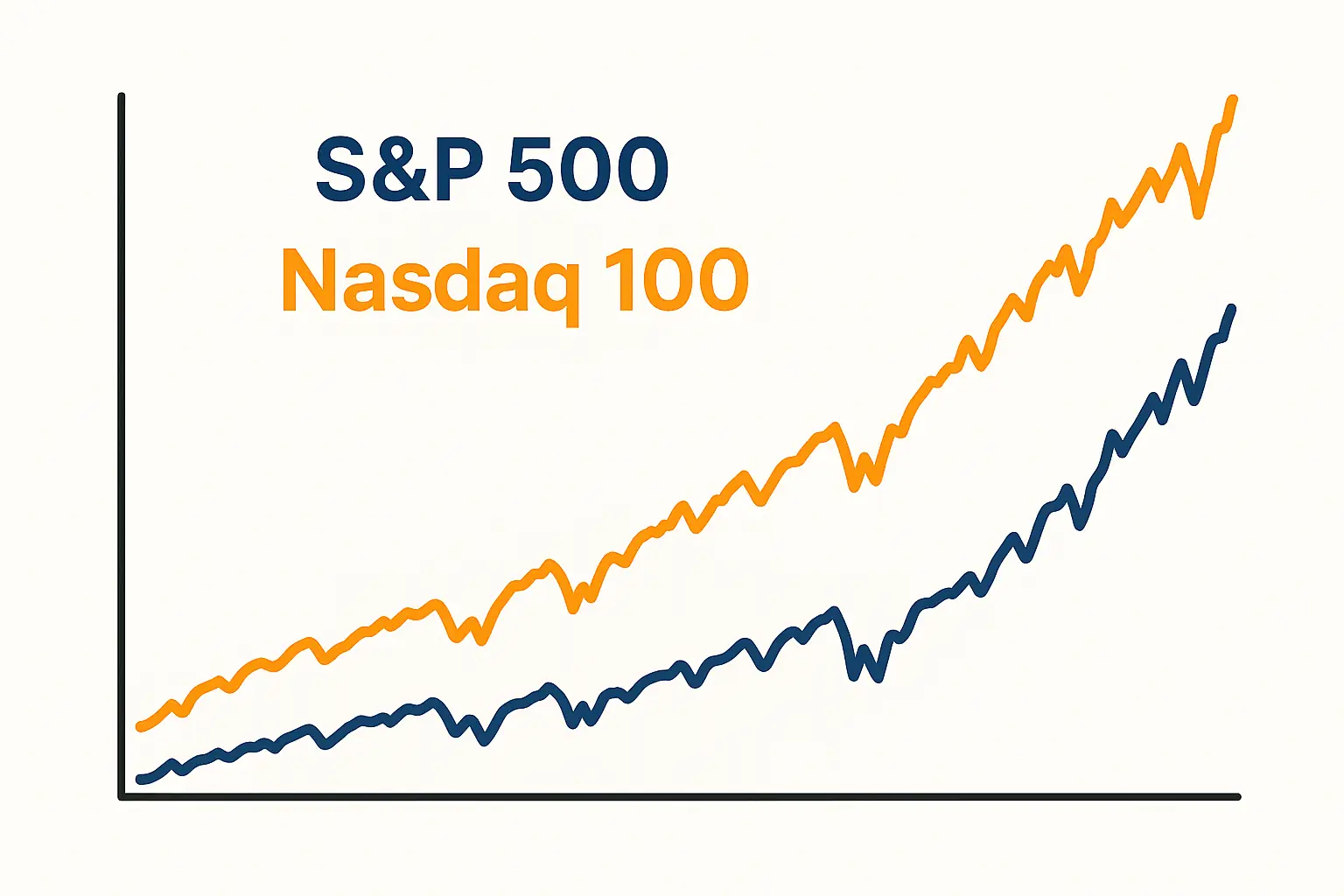
The S&P500 ETF includes 500 of America’s largest and most reputable companies. With balanced exposure across sectors like finance, consumer goods, healthcare, and industrials, it offers stable returns that mirror US economic growth. Over the past 20 years, it has delivered average annual returns of 7–10%, making it a top choice for long-term investors. Warren Buffett himself recommends holding this index for the long haul.
Nasdaq100 ETF: Tech-Centric Growth Focus
The Nasdaq100 ETF is heavily weighted (over 60–70%) toward technology stocks, featuring giants like Apple, Microsoft, Amazon, and Tesla. While it offers strong growth momentum, it’s also more volatile. Since the first quarter of 2026, the AI boom has driven significant price surges, but sharp short-term swings remain a risk. This makes stop-loss and cautious observation strategies especially important.
Performance and Risk Comparison
Individual investors can benefit from blending both ETFs according to their risk tolerance. For example, you might use the S&P500 as your portfolio’s foundation for long-term stability, while allocating 20–30% to the Nasdaq100 to capture short-term momentum and growth potential.
> For more on hidden beneficiaries among AI growth stocks, see here.
Global Diversification ETFs: The Importance and Strategies of Worldwide Investing
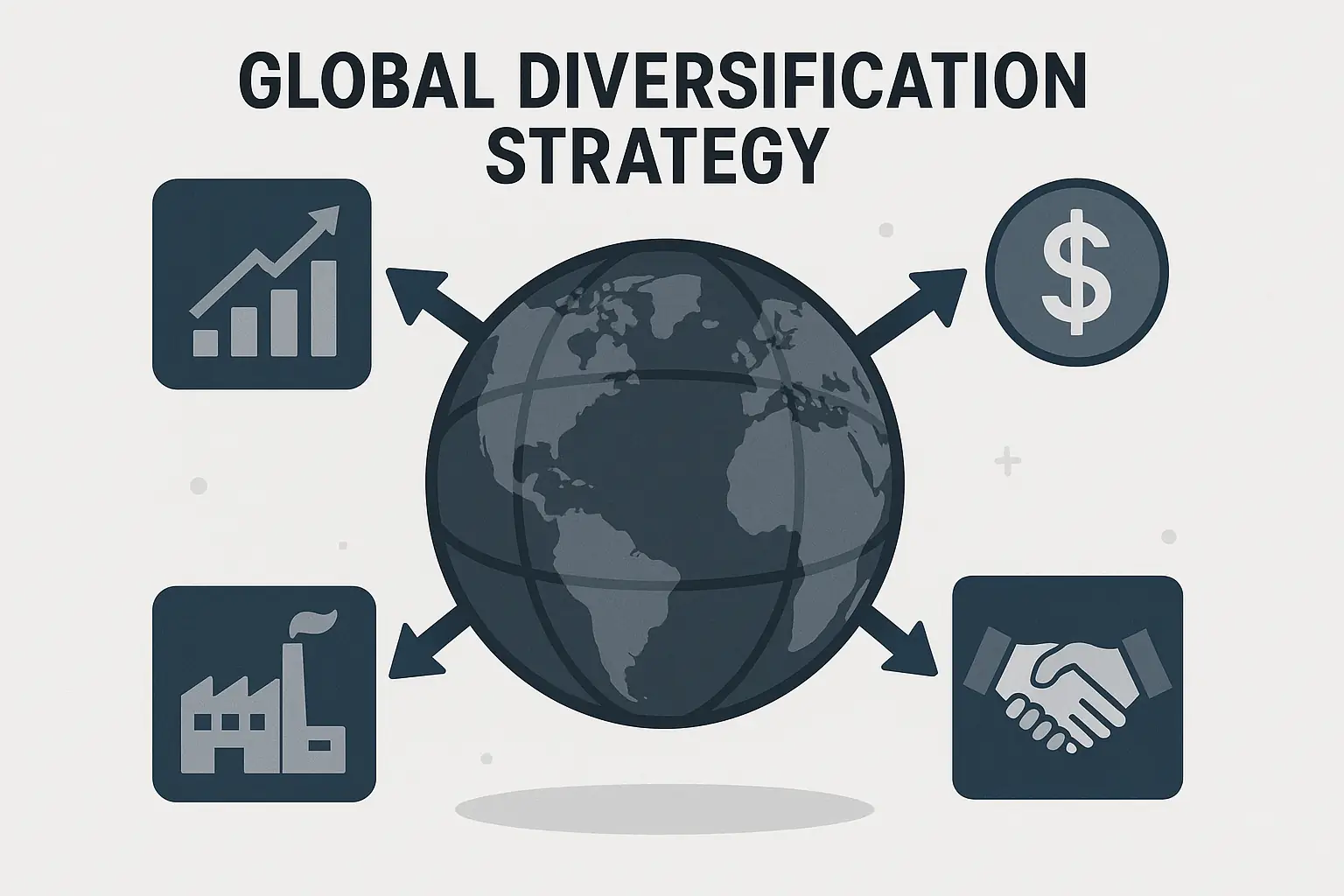
With rising economic uncertainty and geopolitical risks both in Korea and globally, global diversification has become increasingly important. Global ETFs spread assets across not just the US, but also Europe, Asia, and emerging markets, reducing portfolio volatility and enhancing stability.
For example, the MSCI World ETF covers large-cap stocks in 23 developed markets, while the FTSE All-World ETF includes both developed and emerging economies. Global diversification is an effective way to realize the value investing concept of a “margin of safety” and Ray Dalio’s “risk parity” approach.
Over the past three years, global ETFs have delivered steady annual returns of 6–8%, with lower volatility than US-centric ETFs. While currency risk exists, using currency-hedged options can help create a more stable investment environment.
Including global ETFs in your portfolio reduces the risk of overconcentration in any single country or sector, allowing you to benefit from broad-based global economic growth. Maintaining a certain level of overseas asset allocation is especially helpful for risk diversification across economic cycles.
Investment Principles and Portfolio Strategy: Balancing Value, Trend, and Asset Allocation
ETF investing should be aligned with your personal investment principles. Prioritize investing in “undervalued markets” to secure a margin of safety, but also use trend-following strategies to capitalize on market momentum. Employing Jesse Livermore-style stop-losses and staying on the sidelines when conviction is low are also wise approaches.
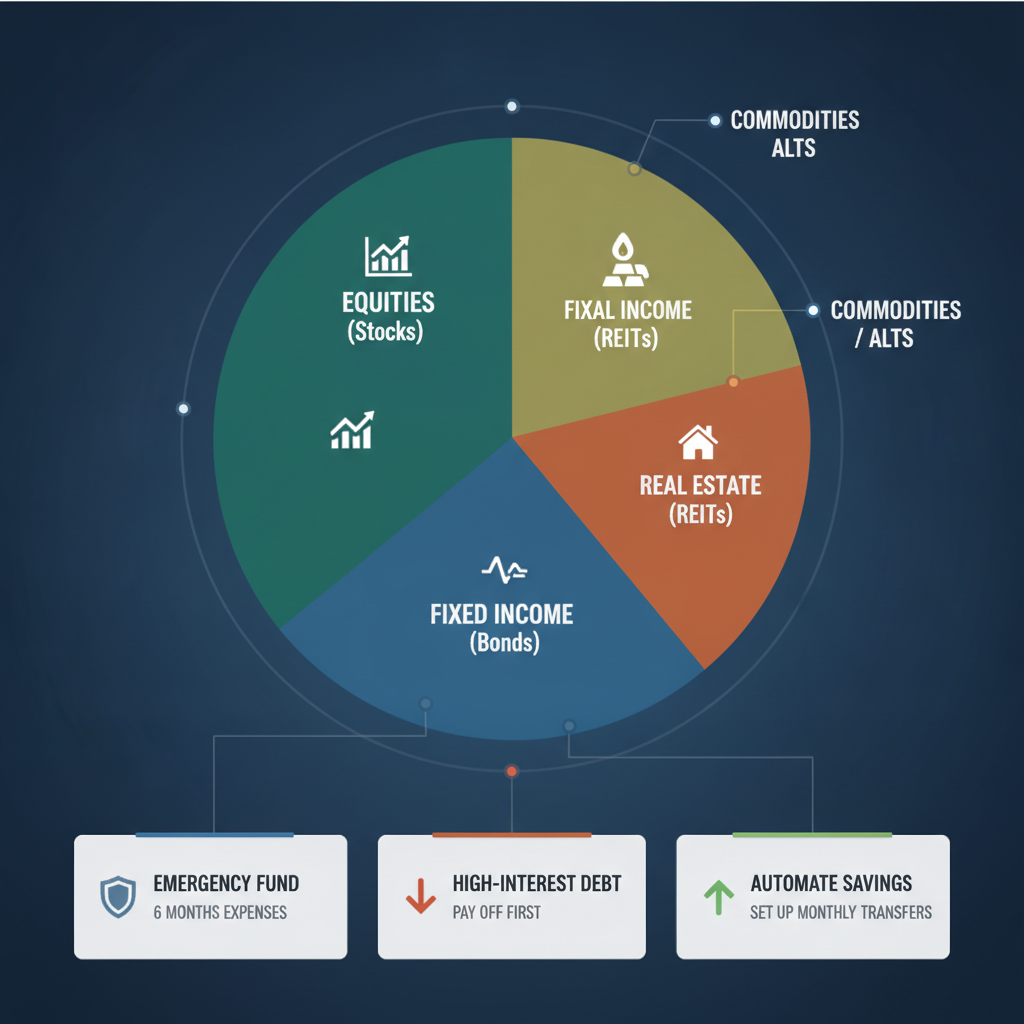
Applying Ray Dalio’s asset allocation principles to your ETF portfolio means mixing not just stock ETFs, but also bond and commodity ETFs to manage market volatility. For example, you might allocate 60% to stocks, 30% to bonds, and 10% to commodities, adjusting these weights flexibly as market conditions change.
From a long-term perspective, focus on “sustainable growth” rather than frequently switching investments. Using the PEG (Price/Earnings to Growth) ratio to assess whether a stock is fairly priced relative to its growth prospects is a practical way to apply Peter Lynch’s philosophy. It’s also important to select ETFs based on industries or tech trends you understand well.
Conclusion and Action Plan: Achieving Balance Between Diversification and Growth with ETFs
Use the ETF strategies introduced in this article to design your own portfolio. For more investment insights and practical tips, consider subscribing to our newsletter for regular updates.
References
Services by Botonglee