Building a Wellness Routine for a Healthy Life with the Mediterranean Diet
When we talk about healthy routines, it's easy to focus solely on exercise or meditation. However, your diet plays a crucial role in balancing both body and mind. The Mediterranean diet, in particular, goes beyond just a meal plan—it's a foundation for healthy habits that can shape your entire wellness lifestyle. In this article, we'll take a comprehensive look at the core principles of the Mediterranean diet, practical ways to integrate it into your daily life, and the positive effects it can have on both your physical and mental well-being.
If you're wondering how to connect your diet to your overall health routine, or if you seek harmony between body and mind but aren't sure where to start, you'll find actionable tips here. Drawing from my 18 years of experience as a meditation expert, as well as the latest scientific research, I’ll share evidence-based advice you can trust.
Core Principles of the Mediterranean Diet
The Mediterranean diet reflects the culinary traditions of countries bordering the Mediterranean Sea, such as Greece, Italy, and Spain. Rather than focusing strictly on calories or macronutrient ratios, it emphasizes whole, natural foods and the enjoyment of eating.
1. Abundant Fresh Fruits and Vegetables
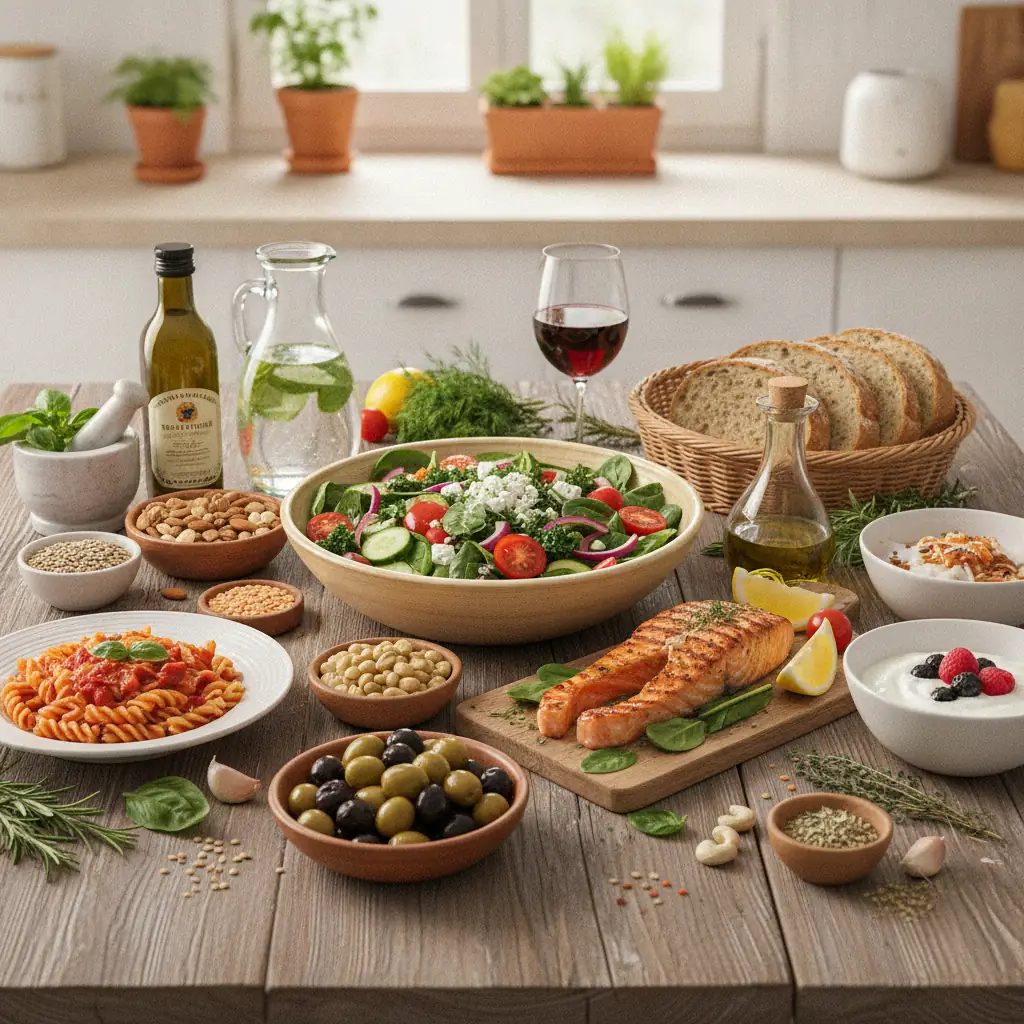
A fundamental rule is to fill more than half of your daily meals with fresh, seasonal vegetables and fruits. These foods are rich in antioxidants, vitamins, and dietary fiber, supporting digestive health and boosting immunity. Aim to enjoy at least one plate of colorful fruits and vegetables every day.
2. Healthy Fats from Olive Oil and Nuts
Instead of butter or animal fats, olive oil is the primary fat source in this diet. Oleic acid in olive oil has been shown to reduce the risk of cardiovascular disease, while nuts provide healthy unsaturated fats, minerals, and vitamins.
3. Moderate Consumption of Fish and Seafood
It's recommended to eat fish two to three times a week, especially oily fish like mackerel, salmon, and sardines, which are high in omega-3 fatty acids. These nutrients support brain function, reduce inflammation, and promote heart health.
> Tip: Minimizing processed foods, red meats, and high-sugar products is key to maintaining a healthy routine.
Integrating the Mediterranean Diet into Your Health Routine
To make the Mediterranean diet a consistent part of your wellness routine, planning and practical strategies are essential. Here are some ways to make healthy eating a natural, sustainable habit in your daily life.
1. Weekly Meal Planning
Planning your meals in advance each week helps reduce unnecessary takeout and impulse purchases of convenience foods. Spend about 30 minutes on Sunday evening to map out your weekly menu and make a shopping list focused on vegetables, fruits, and fish as your main ingredients.
2. Enjoying Meal Preparation and Cooking
Try not to see cooking as just another chore. Instead, treat it as a mindful practice that nurtures both body and mind. Paying attention to the colors, aromas, and textures of your ingredients while you cook can be a calming, joyful experience that enhances your sense of well-being.
3. Smart Grocery Shopping and Meal Choices
Before heading to the store, review your meal plan and prioritize fresh ingredients over processed foods. When dining out, choose dishes that feature olive oil, vegetables, and seafood as main components to stay consistent with your routine.
> Tip: Take five minutes before each meal for deep breathing or a short meditation, reflecting on what you hope to gain from your food. This practice strengthens the connection between body and mind.

Mind-Body Connection: The Benefits of the Mediterranean Diet
Body and mind are deeply interconnected. The Mediterranean diet is known to support not only physical health but also mental well-being.
1. How Diet Affects Mood and Energy
Rich in antioxidants and healthy fats, this diet helps balance neurotransmitters in the brain and stabilizes blood sugar, which leads to steady energy levels and improved mood. According to a 2023 study published in the International Journal of Psychiatry, participants who followed the Mediterranean diet for 12 weeks experienced a reduction in depressive symptoms. (Note: This research was conducted internationally, and similar trends have been observed in Korean studies as well.)
2. The Importance of Social Meals and Relationships
In Mediterranean cultures, sharing meals and conversation is a cherished tradition. These social connections are vital for reducing stress and promoting psychological stability. Even if you often eat alone, try to intentionally schedule meals with family or friends to foster these bonds.
3. Linking Diet and Mental Health
Food is more than just fuel—it affects memory, concentration, and emotional regulation. The Mediterranean diet works synergistically with mindfulness practices like meditation and yoga. Nutritious food supports a calm mental state, which in turn enhances physical resilience, creating a positive feedback loop.
> Tip: During meditation, practice tuning into what your body truly needs. This can help strengthen the link between your eating habits and your mental health.

Personal Experience: How the Mediterranean Diet Changed My Life
My own experience with the Mediterranean diet has been transformative. While I initially hoped for weight loss, I noticed even greater improvements in my energy levels and mental stability.
1. Weight Loss and Increased Energy
By focusing on vegetables and fish instead of greasy or processed foods, I lost 4 kg (about 9 pounds) in three months and felt far less sluggish in the afternoons. Stable blood sugar also led to better concentration at work.
2. Improved Digestion and Healthier Skin
With more fiber and healthy fats in my meals, my digestive issues and heartburn improved, and my skin became clearer and more radiant. I truly felt healthier inside and out.
3. Greater Mental Calm
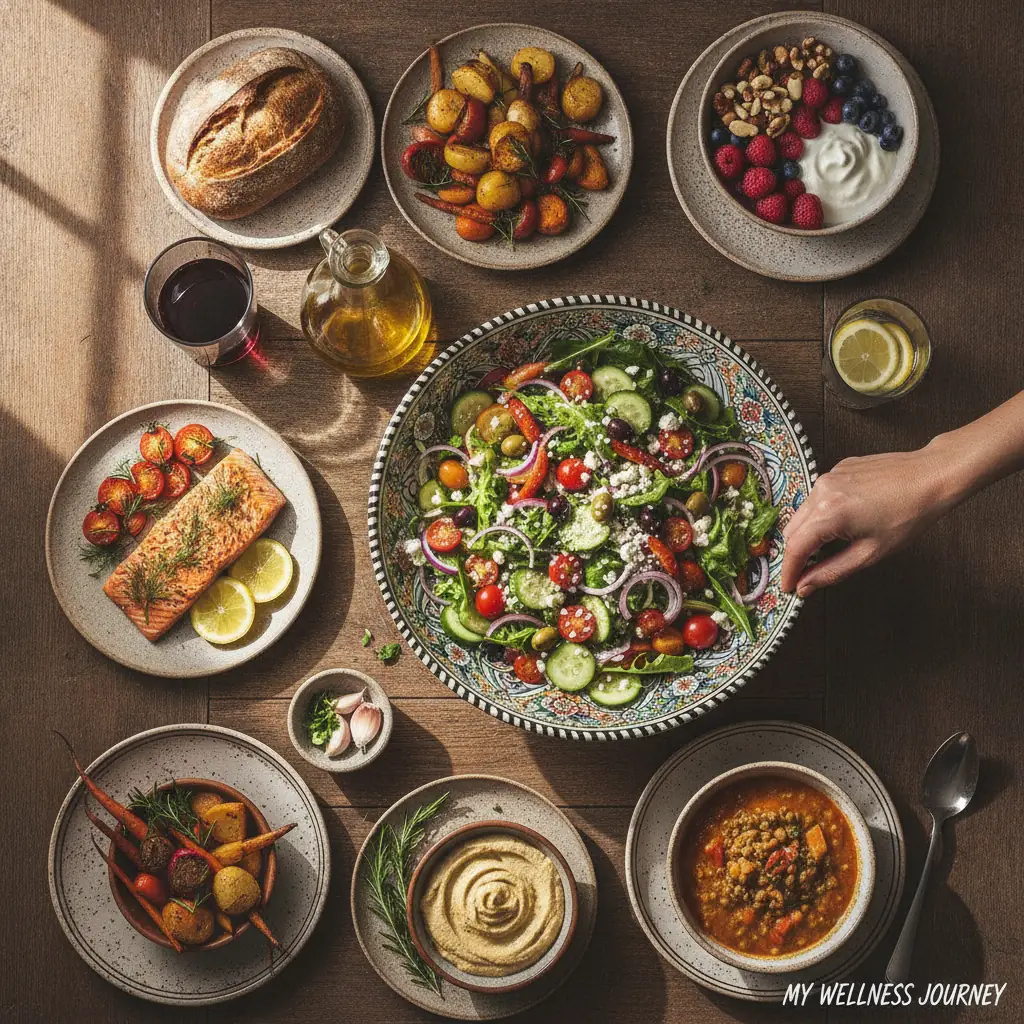
Most importantly, preparing each meal while focusing on the colors and aromas of the ingredients became a meditative, mindful moment that reduced my anxiety and daily stress. This experience inspired me to envision a wellness platform that combines meditation and nutrition.
Sustainable Wellness: Creating Long-Term Habits
While it's easy to notice positive changes in the short term, lasting wellness requires repetition, feedback, and social support.
1. Consistent Feedback and Adjustment
Try keeping a weekly self-checklist to track your diet, physical condition, and mood changes. Adjust your food choices, portion sizes, and cooking methods as you go to discover what works best for you. Being attentive to your body's signals is key.
2. Building a Social Support Network
Sharing your experiences and encouraging one another with family, friends, or online communities who share similar goals can be a powerful motivator and help you stay consistent.
3. Maintaining Habits Over Time
To truly feel physical and mental changes, aim to stick with your health routine for at least 8 to 12 weeks. The first 2–3 weeks are usually an adjustment period, but after that, you'll notice not just dietary changes but also improvements in your daily energy and emotional stability.
> Tip: If progress feels slow, focus on celebrating small daily changes rather than short-term goals to build a sense of accomplishment.
The Mediterranean diet is more than just a way of eating—it's a powerful wellness tool that can become the cornerstone of your healthy routine. With balanced nutrition, mental calm, and social connection, this approach can help you achieve harmony between body and mind. Start your journey toward a healthier life today.
If you’d like more wellness tips and practical guides, I recommend subscribing to our newsletter. Let’s build healthy habits together!
References
Start your healthy life with the Mediterranean diet! Subscribe to our newsletter for more wellness tips and guidance.
Services by Botonglee