Charlie Munger’s Investment Checklist: 7 Principles for Successful Investors
If you’re an investor, you’ve likely heard the name Charlie Munger at least once. As Warren Buffett’s long-time partner and Vice Chairman of Berkshire Hathaway, Munger is renowned not just as a legendary investor but also for his ‘wise mindset’ and ‘rigorous principles.’ In this article, we’ll explore Munger’s investment checklist and break down the seven essential principles that every individual investor should review. These principles are closely tied to fundamental concepts in modern stock investing, such as intrinsic value analysis, long-term investing, and risk management.
In particular, you’ll also find practical insights on how to harmonize Munger’s principles with your own investment philosophy, whether you focus on value investing, trend following, or asset allocation. If you’re an individual investor seeking to refine your stock investing and portfolio strategy, this article offers actionable guidelines to help inform your decisions.
1. Essential Checks Before Investing
Charlie Munger emphasizes that investors must thoroughly review the basics before making any investment. No matter how hot the market may seem, long-term success is unlikely if a company’s business model and competitive advantages aren’t solid.
Start by understanding how a company generates revenue and what strengths it has compared to competitors. For example, while AI-related stocks are in the spotlight, there are many hidden beneficiaries with strong profitability beyond just Nvidia. You can find specific examples in AI Stocks: 5 Hidden Winners Beyond Nvidia.
Assess whether the company has pricing power or a dominant position over its competitors. Munger places great importance on the concept of an ‘economic moat’—a key to securing a long-term margin of safety.
Don’t just glance at PER or PBR ratios; carefully examine cash flow, debt ratios, and the quality of assets. Building a portfolio around financially sound companies is crucial for effective risk management.
Developing the habit of thoroughly checking these basics before investing is essential, even if you follow trend-based strategies—it gives you the conviction to enter the market confidently.

2. Intrinsic Value Assessment
Munger stresses that evaluating a company’s ‘intrinsic value’ is the most important aspect of investing, in line with the value investing tradition of Benjamin Graham and Warren Buffett.
The DCF method, which calculates a company’s true value by discounting future cash flows to present value, is both fundamental and practical. For instance, even if the semiconductor industry faces uncertainty, you can adjust the discount rate to secure a margin of safety for companies with strong long-term growth prospects.
The PE (Price/Earnings) ratio alone isn’t enough to determine if a stock is undervalued. By also considering the PEG (Price/Earnings to Growth) ratio, which accounts for growth rates, you can make better decisions, especially when investing in growth stocks. This approach aligns with Peter Lynch’s advice to invest in ‘growth stocks you understand.’
One of Munger’s core principles is to buy at a price well below intrinsic value to protect against unexpected market volatility. Maintaining a margin of safety from a long-term perspective is at the heart of value investing, rather than chasing short-term momentum.
Thorough and objective analysis of intrinsic value is crucial for selecting stocks that can generate real returns.

3. Long-Term Investment Perspective
Munger’s approach is anchored in ‘long-term investing,’ resisting the temptation to react to short-term market swings.
Be clear about why you’re investing and what your target returns are. This clarity helps you stay steady even during temporary market downturns.
Sectors like AI, green energy, and the Indian market are expected to grow significantly over the next decade. For a detailed look at India’s growth drivers, see India’s Stock Market: Could It Become the Next Growth Engine Over the Next Decade?.
With markets awash in news and rumors, it’s easy to get caught up in short-term sentiment. Munger advises tuning out ‘market noise’ and focusing on the company’s true value.
Personally, I prefer to exclude short-term issues from my portfolio strategy, focusing instead on long-term growth potential and risk management. Maintaining balance through asset allocation is also key to avoiding overexposure to any single sector.
4. Risk Management
Risk management is a non-negotiable requirement for investment success. Munger places great emphasis on the ‘wisdom of avoiding risk.’
Like Ray Dalio’s All Weather Portfolio, diversifying assets is essential for long-term investors. Overconcentration in a single sector can leave you vulnerable to economic cycles or policy risks.
Following principles like those of Jesse Livermore, it’s important to cut losses quickly if they exceed a certain threshold. When you lack conviction or the trend reverses, sometimes it’s best to wait on the sidelines.
If the risk outweighs the expected return, it’s wise to reconsider the investment. This ties back to the principle of maintaining a margin of safety.
Personally, I manage risk by maintaining allocations not only to stocks but also to bonds and commodities, adjusting these ratios as market conditions change.

5. Continuous Learning and Improvement
Munger famously said, “If you stop learning, you stop being an investor.” Successful investors never neglect self-development or market research.
Keep an eye on macroeconomic indicators like interest rates, exchange rates, and economic data to anticipate changes in the investment environment. For example, recent discussions about the Bank of Korea potentially raising rates and global inflation issues are important signals for adjusting your strategy.
Acknowledge failures in your investment process and analyze their causes. This aligns with Munger’s principle of avoiding emotional decision-making.
While Munger has his own investment philosophy, he also maintains objectivity by referencing expert opinions and the latest research in economics and industry.
Ongoing learning injects fresh perspectives into your portfolio strategy and helps you adapt flexibly to changing markets.

6. Applying Munger’s Investment Philosophy
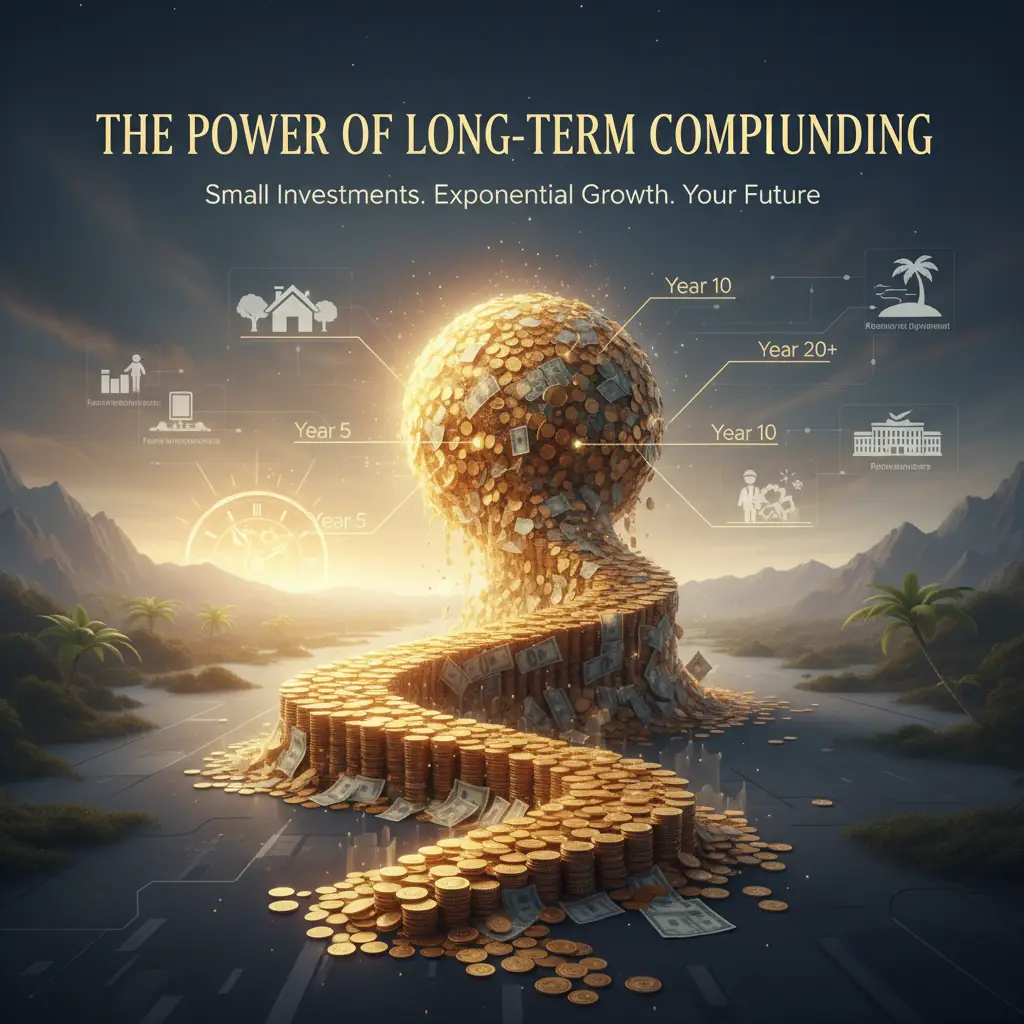
Munger’s emphasis on ‘the power of compounding,’ ‘emotional discipline,’ and ‘ethical investing’ is simple in theory but challenging in practice. Here’s how you can integrate these principles into your own investment philosophy.
Investment returns grow exponentially over time. Achieving a steady compound annual return of 7–10% can lead to significant wealth accumulation in the long run.
When you get caught up in market volatility or herd mentality, your investment principles can falter. Munger believes that maintaining composure is the ultimate competitive edge.
Sustainability and social responsibility are increasingly linked to long-term corporate value. The trend of incorporating ESG (Environmental, Social, and Governance) factors into investment decisions is growing stronger.
I strive to put Munger’s principles into practice by combining value investing, trend following, and asset allocation in my own philosophy.

7. Putting Principles into Action
Knowing the principles isn’t enough—you need to start small and build consistent investment habits over time.
Begin with amounts you’re comfortable with to gain experience and minimize mistakes. Small wins and losses are invaluable for developing your investment instincts.
Invest a set amount regularly each month, and stick to your plan rather than chasing market timing.
Review and adjust your asset allocation as market conditions and your investment goals change. This is essential for risk management and maximizing long-term returns.
Personally, I stick to a monthly investment schedule and reassess the intrinsic value of my holdings each quarter.

Success in investing isn’t just a matter of luck—it comes from rigorous principles and consistent execution. Charlie Munger’s seven investment checklist principles provide a clear roadmap that anyone can follow. By applying these principles—which encompass value investing, trend following, and asset allocation—to your own investments, and by committing to continuous learning and action, you can achieve better investment outcomes.
As a first step, I encourage you to apply the checklist and evaluation criteria from this article to your own portfolio. For more investment insights and concrete examples, consider subscribing to the newsletter for ongoing updates.
References
Try applying these investment principles yourself. You can receive more investment insights by subscribing to the newsletter.
Services by Botonglee