Completing Your Wellness Routine with Probiotics — The Link Between Gut Health and Overall Wellbeing
When building a healthy lifestyle routine, gut health is often overlooked, despite its profound impact on both body and mind. The gut is sometimes called the “second brain” because of its crucial role in maintaining our physical and emotional balance. Probiotics help regulate the gut microbiome, boost digestive function, and strengthen the immune system. Consistently caring for your gut with probiotics is a key pillar of a holistic wellness lifestyle. In this article, we’ll explore what probiotics are, the science behind their benefits, how to incorporate them into your daily routine, and their connection to mental wellbeing.
What Are Probiotics?
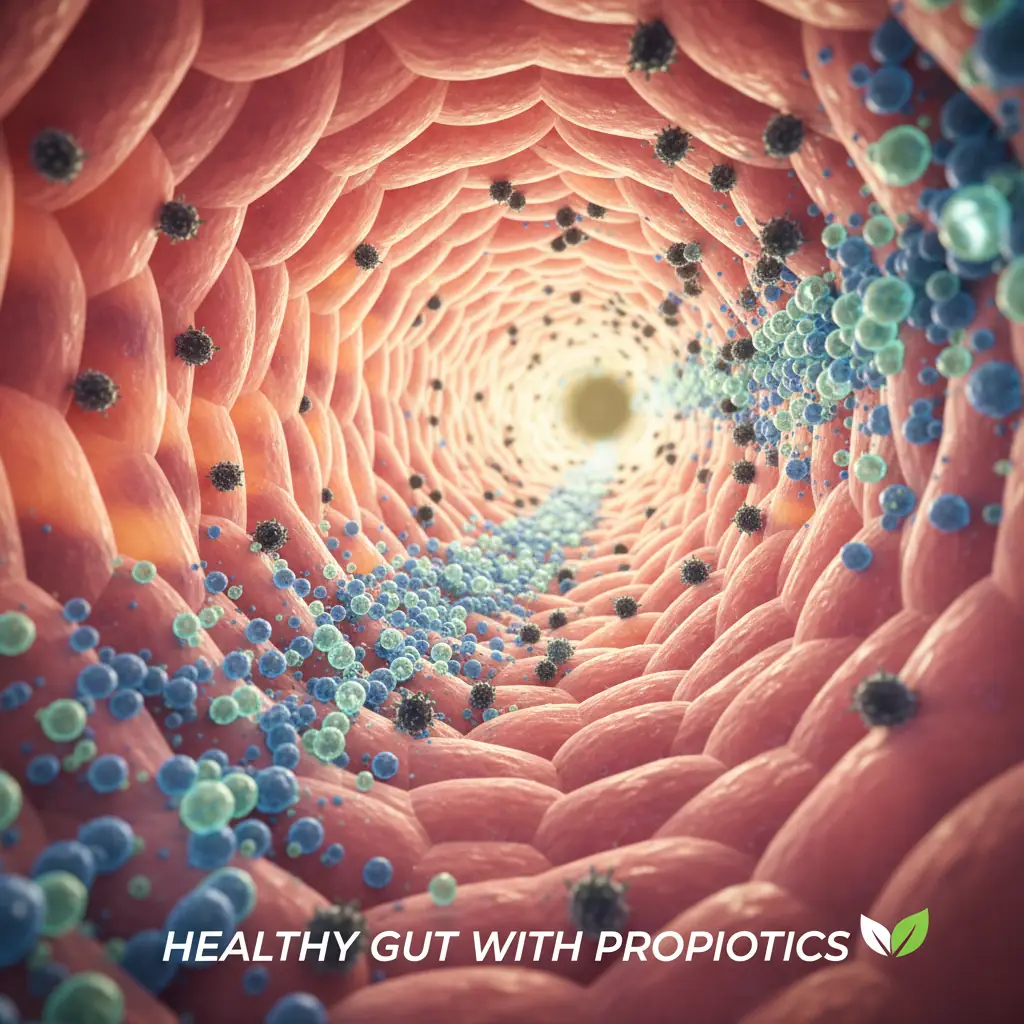
Probiotics are beneficial bacteria that naturally reside in our bodies and are essential for maintaining a healthy gut environment. These good bacteria activate digestive enzymes, suppress the growth of harmful microbes, and stimulate immune cells to defend against external threats. Recent research has shown that the gut microbiome is connected to the brain via neural pathways, influencing stress regulation and even helping to alleviate symptoms of depression and anxiety.
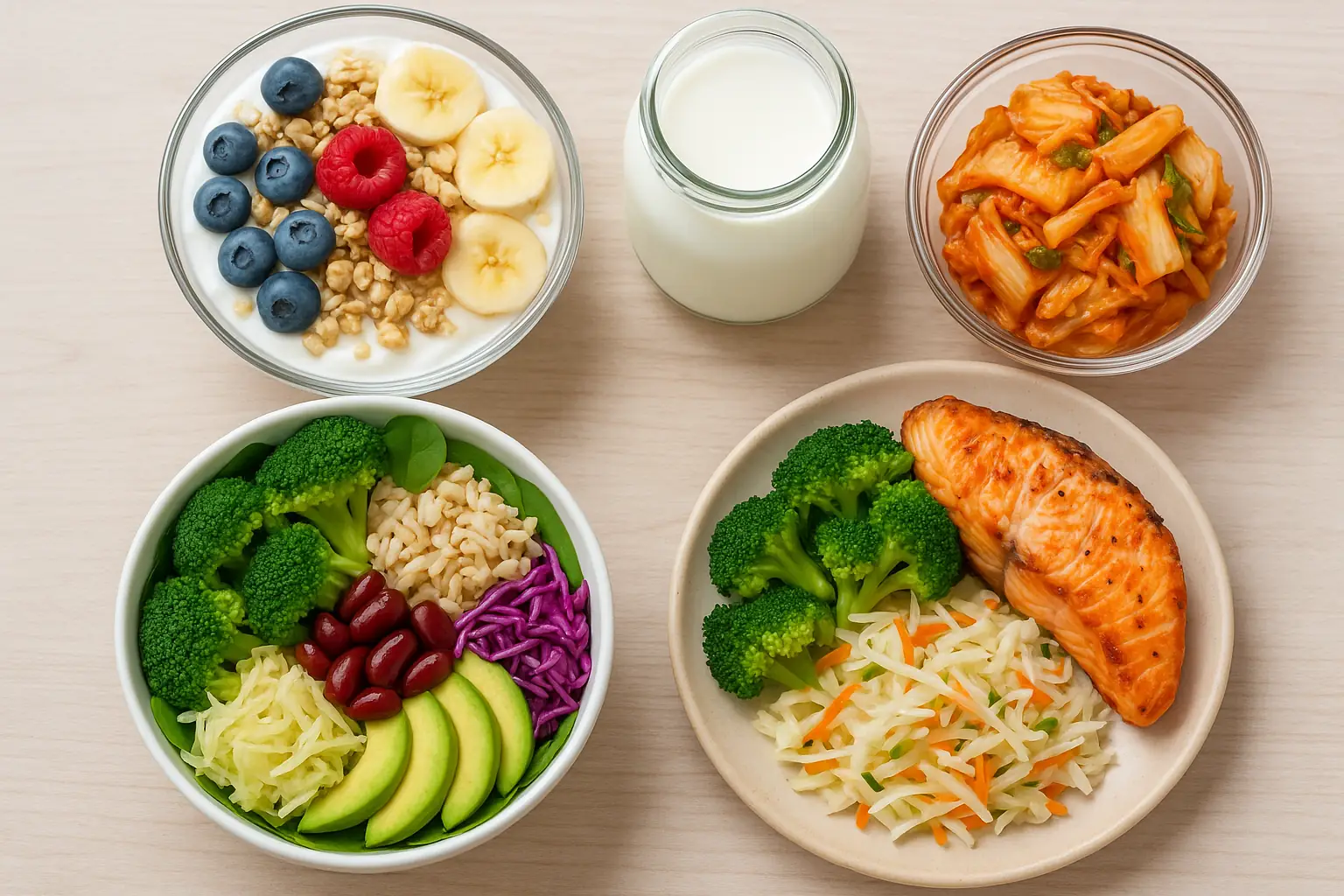
You can naturally consume probiotics through fermented foods like kimchi, yogurt, and doenjang (fermented soybean paste), or take them as dietary supplements. Including probiotics in your daily routine not only improves digestive health but also helps balance both body and mind.
Different Strains of Probiotics and Their Benefits
Probiotics consist of various strains, each with unique properties and health effects. Choosing the right strains for your individual needs and goals is important.
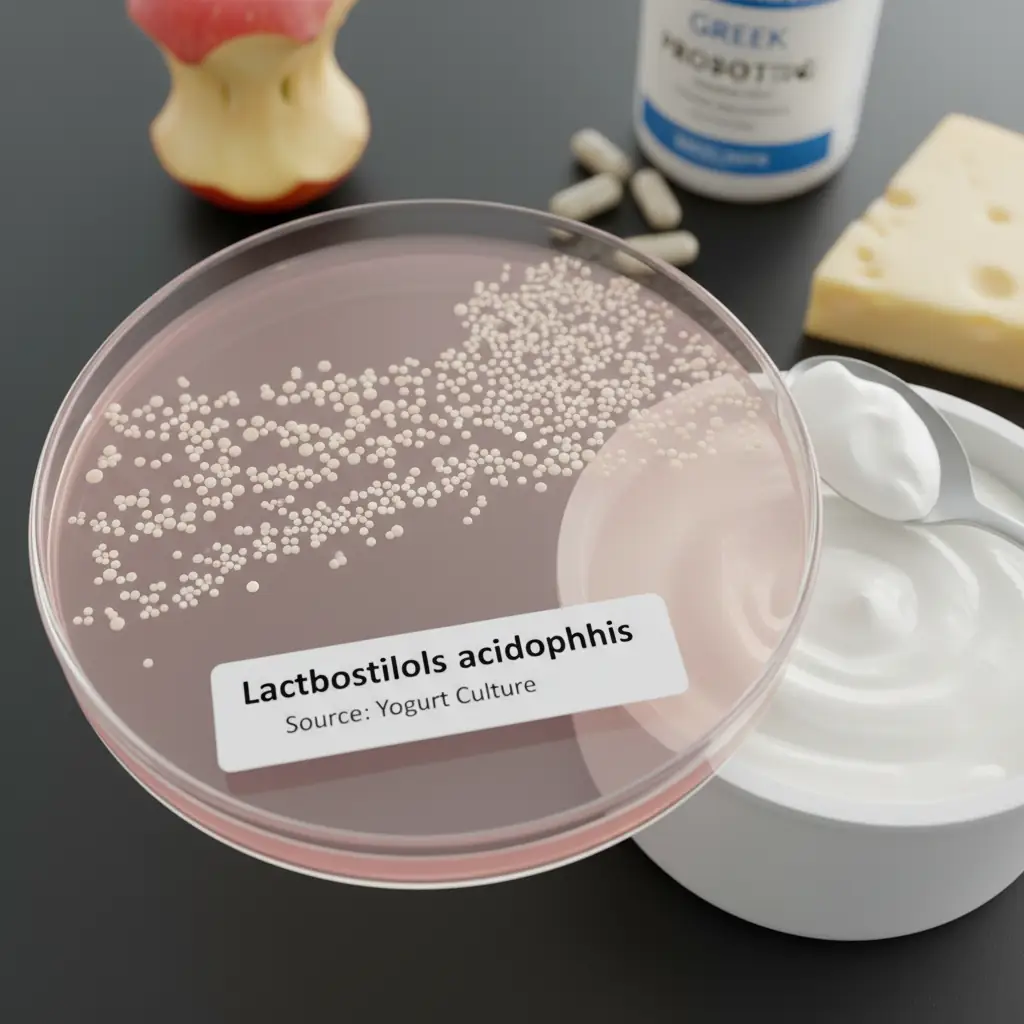
Supports lactose digestion and strengthens the immune system. It also protects the gut lining and inhibits harmful bacteria.
Promotes the growth of beneficial bacteria in the gut, helps relieve constipation, and optimizes the intestinal environment. It reinforces the gut barrier, helping prevent leaky gut syndrome.
A type of yeast with strong antimicrobial effects, often used to alleviate diarrhea and gastroenteritis. It is also effective in restoring gut balance after antibiotic use.
Incorporating a balanced mix of these probiotic strains into your routine can greatly enhance your overall health.
The Science Behind Probiotics — Evidence-Based Benefits
A 2023 study found that probiotics significantly improved symptoms in people with irritable bowel syndrome (IBS). Participants who took a combination of Lactobacillus and Bifidobacterium strains for eight weeks experienced notable relief from abdominal pain and irregular bowel movements. Ongoing research also shows that a balanced gut microbiome can positively affect neurotransmitter levels in the brain, helping to reduce anxiety and depression.
Probiotics are also clinically recognized for their role in strengthening the immune system. Since about 70% of the body’s immune cells are located in the gut, a healthy gut environment enhances resistance to infections and inflammation.
In summary, scientific evidence increasingly supports the idea that probiotics are essential not only for digestive health but also for maintaining the balance of both body and mind.

How to Take Probiotics — A Practical Daily Routine
You can get probiotics from whole foods or supplements. Here’s a practical daily routine you can follow:
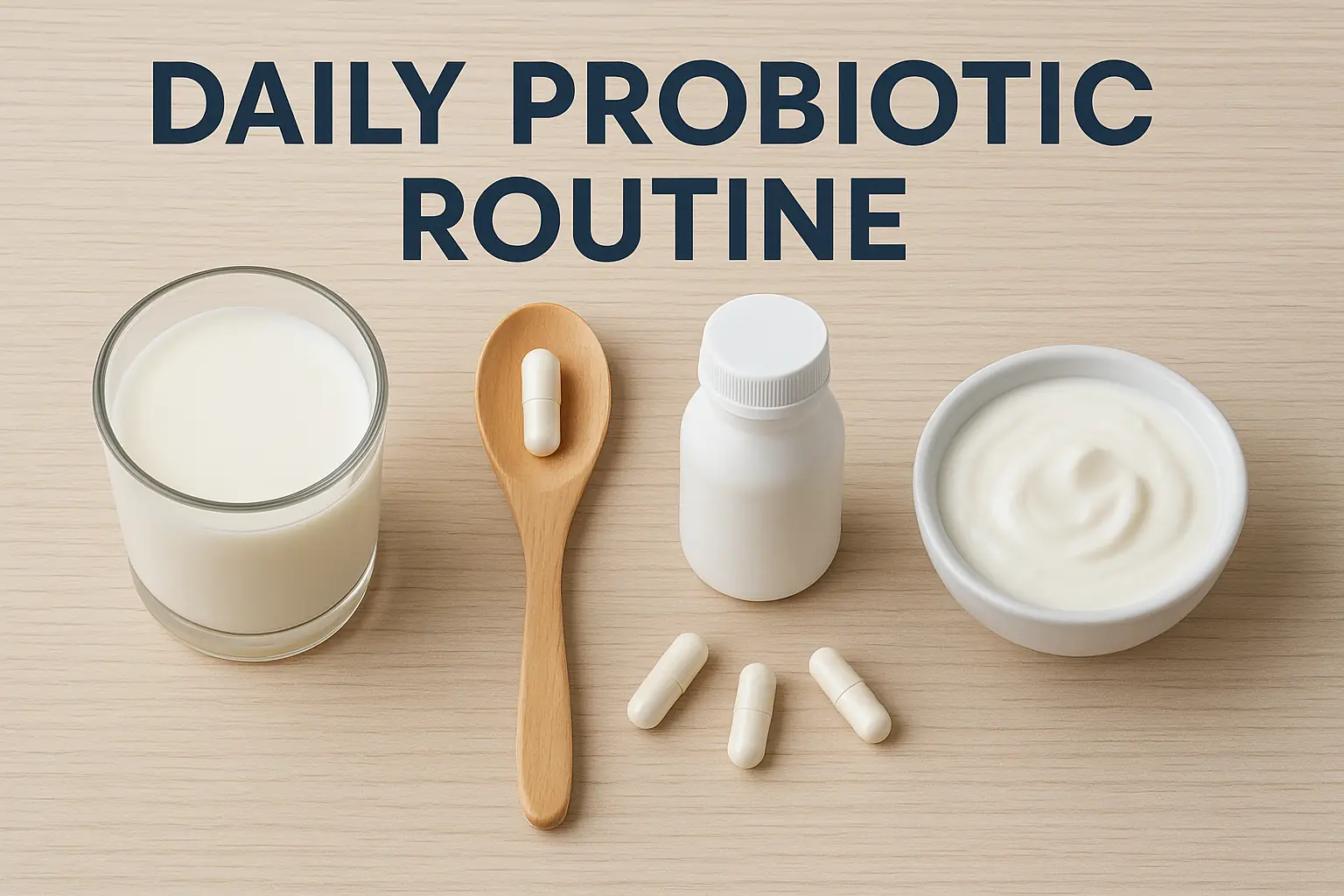
Consume 100g of plain yogurt or kefir on an empty stomach to stimulate your gut with live cultures and activate your digestive system.
Add traditional fermented foods like kimchi, doenjang, or cheonggukjang (fermented soybean paste) to your meal for a natural boost of beneficial bacteria and dietary fiber, which help relieve constipation and promote gut motility.
Take one serving of a professional probiotic supplement within 30 minutes after dinner. This is especially helpful for restoring gut flora if you’re taking antibiotics.
Enjoy small portions of fermented snacks like gimbugak (crispy seaweed chips) or pickled vegetables to consistently replenish good bacteria.
Drink 1.5 to 2 liters of water daily to optimize the gut’s fermentation environment and support regular bowel movements.
Light aerobic exercise and deep-breathing meditation help stabilize the autonomic nervous system, which connects the gut and brain.
By following this routine, you’ll gradually improve your gut environment, enhance digestion, and boost both your overall and mental health.
The Connection Between Gut and Mind — Integrated Wellness for Body and Mind
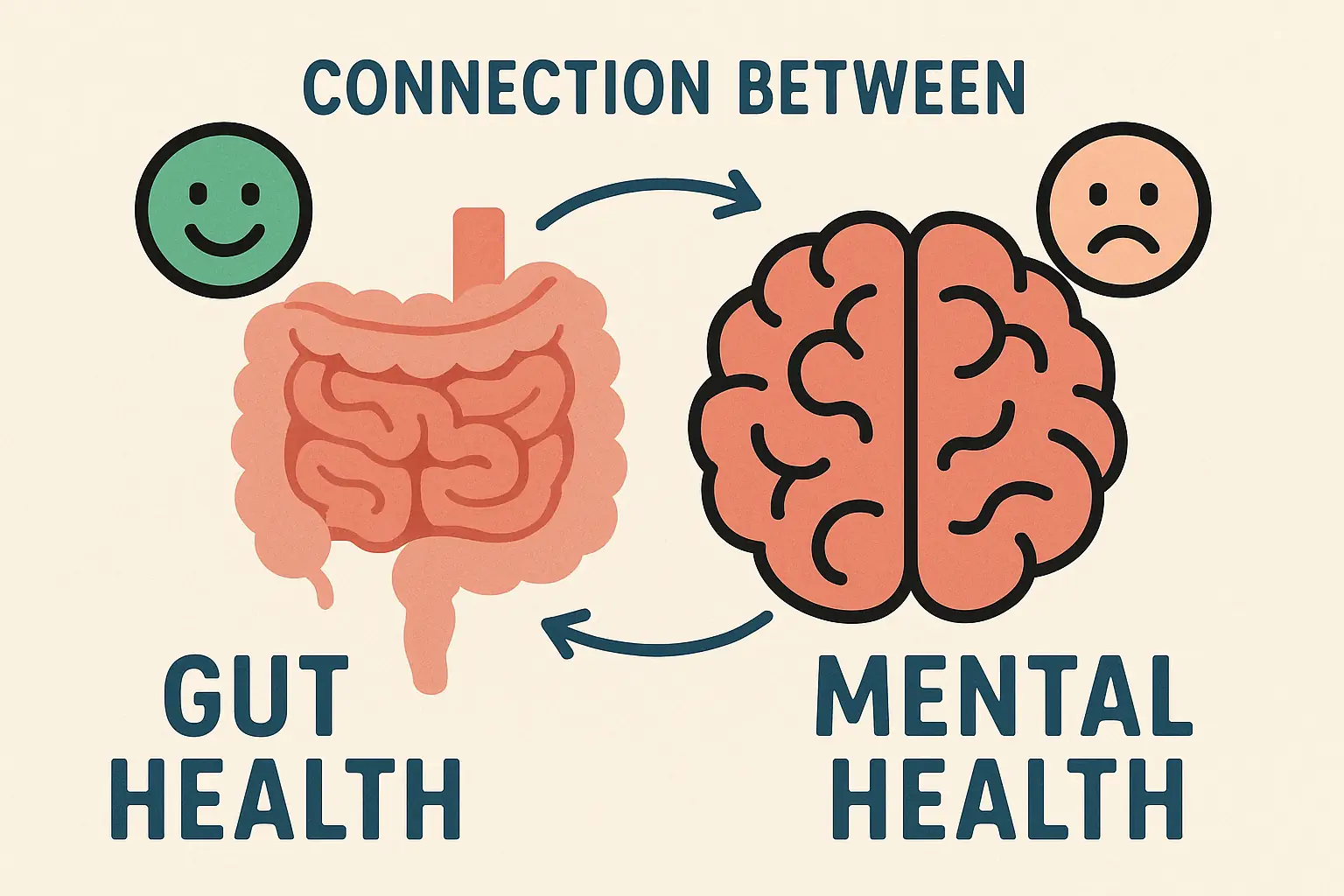
The gut and brain communicate closely through the gut-brain axis, involving neural, hormonal, and immune pathways. Gut microbes influence the production of neurotransmitters like serotonin and dopamine, which play a key role in stress response and emotional regulation. Studies have shown that a lack of beneficial gut bacteria can worsen symptoms of anxiety and depression.
Caring for your gut, therefore, is not just about solving digestive issues—it’s also directly linked to mental wellbeing. Personally, I’ve found that maintaining a gut-friendly diet and taking probiotics alongside meditation and yoga has greatly improved my focus and emotional stability during mindfulness practice.
Combining breathing meditation with probiotic intake is an effective way to quickly experience psychological calm. For a detailed guide on how to implement this in daily life, see the section below on creating a daily probiotic routine.
Building a Daily Probiotic Routine — Step-by-Step Guide
Here’s a practical timeline for supporting both gut and mental health throughout the day:
1. Morning Routine: Wake Up Your Gut
Start your day on an empty stomach with spoonable yogurt to encourage the growth of good bacteria.
Sit comfortably, inhale deeply through your nose, let your belly expand, then exhale slowly through your mouth. Focus on your abdomen to stimulate gut movement and calm your nervous system.
Benefits: Activates the parasympathetic nervous system for better digestion and reduced stress.
How to: Inhale for 5 seconds, exhale for 5 seconds, repeat 10 times.
> Tip: Place your hand on your belly to feel it rise and fall during breathing.
2. Lunch Routine: Balanced Meal with Fermented Foods
Dietary fiber and probiotics in these foods help improve your gut environment.
Try torso twists or similar movements to stimulate digestion.
> Tip: Instead of lying down after eating, move around or take a 10-minute walk to aid digestion.
3. Evening Routine: Support Gut Flora and Mental Calm
Follow the recommended dosage and take it 30 minutes after dinner.
Practice focused meditation or the 4-4-4-4 breathing method: inhale for 4 seconds, hold for 4 seconds, exhale for 4 seconds, pause for 4 seconds, and repeat.
> Tip: Meditating before bed can help relieve insomnia and balance your nervous system. With consistency, you’ll notice improvements in sleep quality.
Additional Habits: All-Day Wellness Practices
For more on walking routines and their health benefits, see Building a Healthy Routine and Wellness Lifestyle with 7,000 Steps a Day.
Wellness Lifestyle with Probiotics — Long-Term Guide and Tips
How Long Does It Take to See Results?
Extra Tips to Maximize the Benefits
Physical activity stimulates gut movement, while meditation reduces stress and calms the nervous system. Pilates and yoga, in particular, enhance breath awareness and body-mind connection, positively impacting gut health.
Limiting screen time gives your brain a break and increases your connection with nature, supporting both mental calm and gut-brain axis health.
Focus on meals rich in protein and dietary fiber, and avoid excessive sugar and processed foods.
Precautions
Probiotics are generally safe, but if you have a weakened immune system or specific gut conditions (such as Crohn’s disease), consult a healthcare professional before starting. If you experience abdominal pain, diarrhea, or allergic reactions after taking probiotics, stop immediately and seek medical advice.
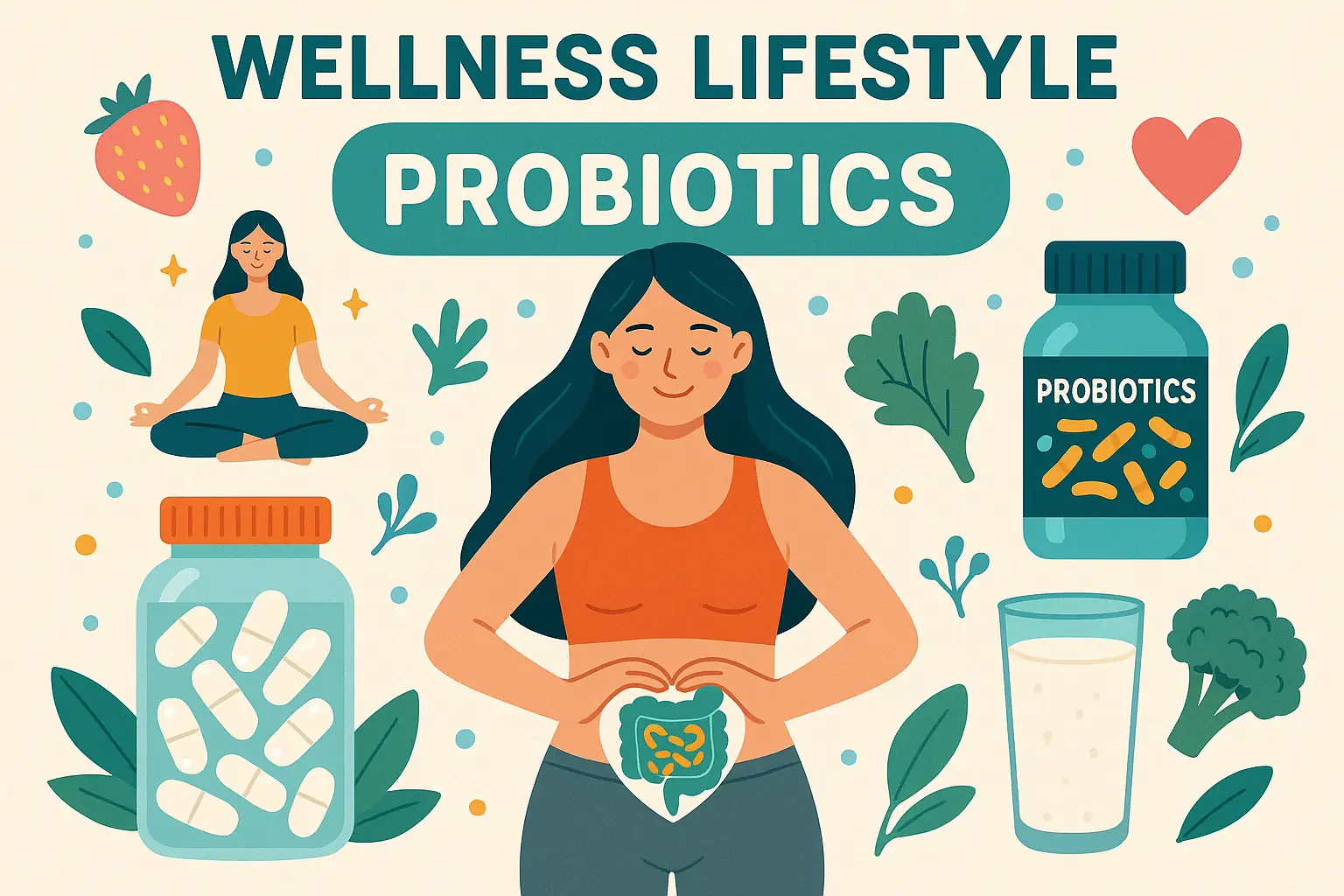
Try incorporating probiotics into your daily life for a healthier gut. Consistent, mindful changes are the foundation of a balanced wellness lifestyle. For more wellness tips and personalized advice, subscribe to Botonglee’s newsletter for the latest content!
Reference Links
Services by Botonglee