Corrective Exercises for Forward Head Posture and Rounded Shoulders: 3 Essential Moves
With the increasing use of smartphones and computers in modern life, forward head posture and rounded shoulders have become extremely common issues. These postural problems can lead not only to neck and shoulder pain but also to headaches, reduced concentration, and, in severe cases, even breathing difficulties. Correcting your posture is not just about appearance—it’s a crucial step for your overall health.
By reading this article to the end, you’ll learn specific exercises and routines proven to effectively address forward head posture and rounded shoulders, as well as practical tips for integrating them into your daily life. With consistent practice, you can relieve pain in your neck and shoulders and maintain a healthy posture.
Below, we’ll explore the causes of these issues, introduce three step-by-step corrective exercises, and provide a practical guide for maintaining good posture and making these exercises a sustainable habit.
Go to guideSee Exercise MethodsFind more information on posture correction exercisesForward Head Posture & Rounded Shoulders: Causes and Why They Matter
What Causes Forward Head Posture and Rounded Shoulders?
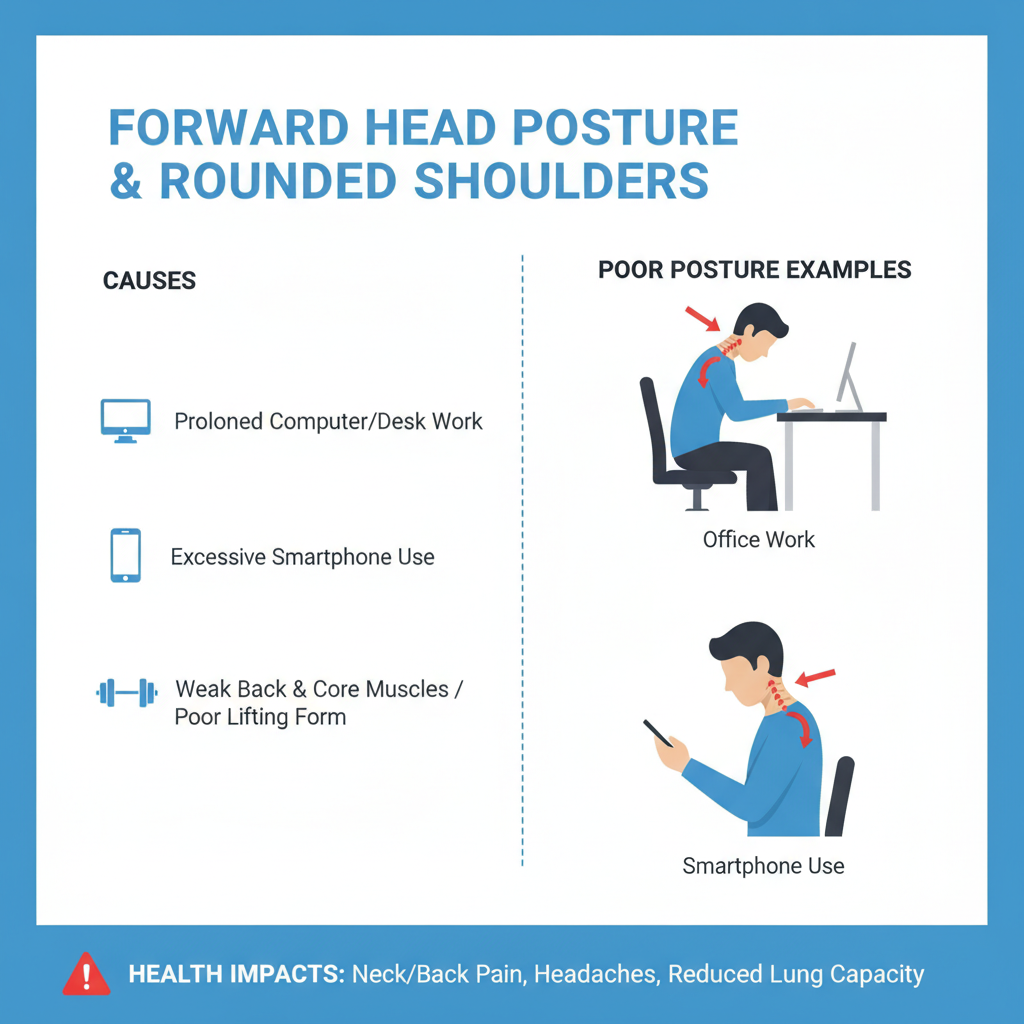
Forward head posture occurs when the natural curve of the cervical spine flattens and the head juts forward. Rounded shoulders refer to a posture where the shoulders roll forward and the chest collapses inward. Both are typically caused by poor habits such as prolonged computer work or excessive smartphone use.
Poor posture leads to muscle imbalances: the muscles at the back of the neck become tight, while the chest and front shoulder muscles shorten, causing the cervical spine and shoulder blades to shift out of alignment. This can result in neck pain, shoulder stiffness, headaches, and even psychological stress.
Health Impacts
If postural imbalances persist over time, they can cause chronic pain, nerve compression, reduced breathing capacity, digestive issues, and more. Rounded shoulders, in particular, can restrict lung expansion and make breathing more difficult, while forward head posture can compress nerves and blood vessels, increasing discomfort.
Early correction and consistent preventive exercises are therefore essential. Posture correction is an integrative wellness practice that restores both physical and mental balance.
Why Posture Correction Matters
Regaining physical balance through regular exercise and improved habits can help relieve pain, boost concentration, reduce stress, and improve your overall quality of life. In fact, practices like meditation, yoga, and Pilates all demonstrate that when the body is balanced, the mind naturally becomes more stable as well.
Exercise 1: Chin Tuck
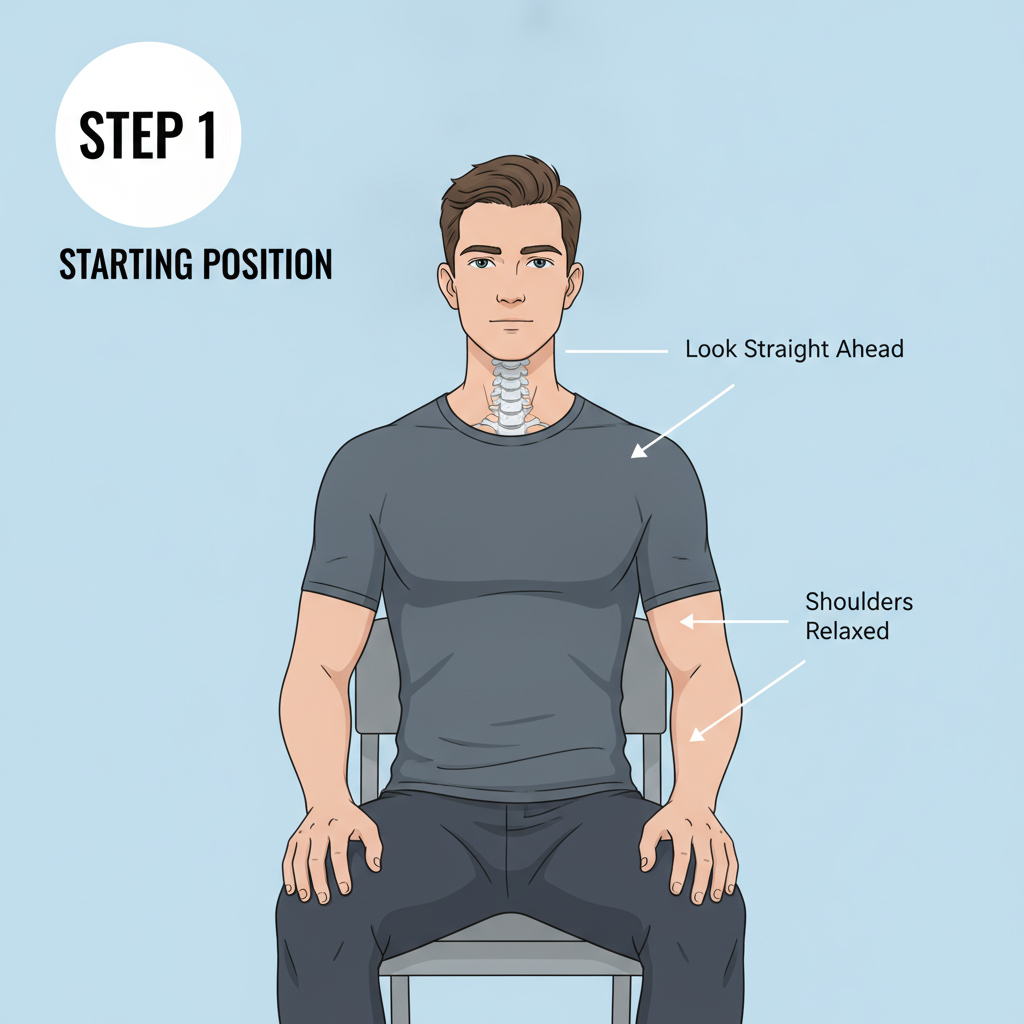
The chin tuck is the most basic and effective exercise for correcting forward head posture. It helps realign the neck and restore the natural curve of the cervical spine.
Step-by-Step Instructions
> Tip: Avoid pulling your chin back too forcefully—move gently and smoothly.
How It Works
The chin tuck strengthens the muscles at the front of the neck and relaxes the muscles at the back, helping to restore the natural cervical curve. Clinical studies have shown that this exercise can improve neck stability and reduce pain.
Exercise 2: Shoulder Rolls
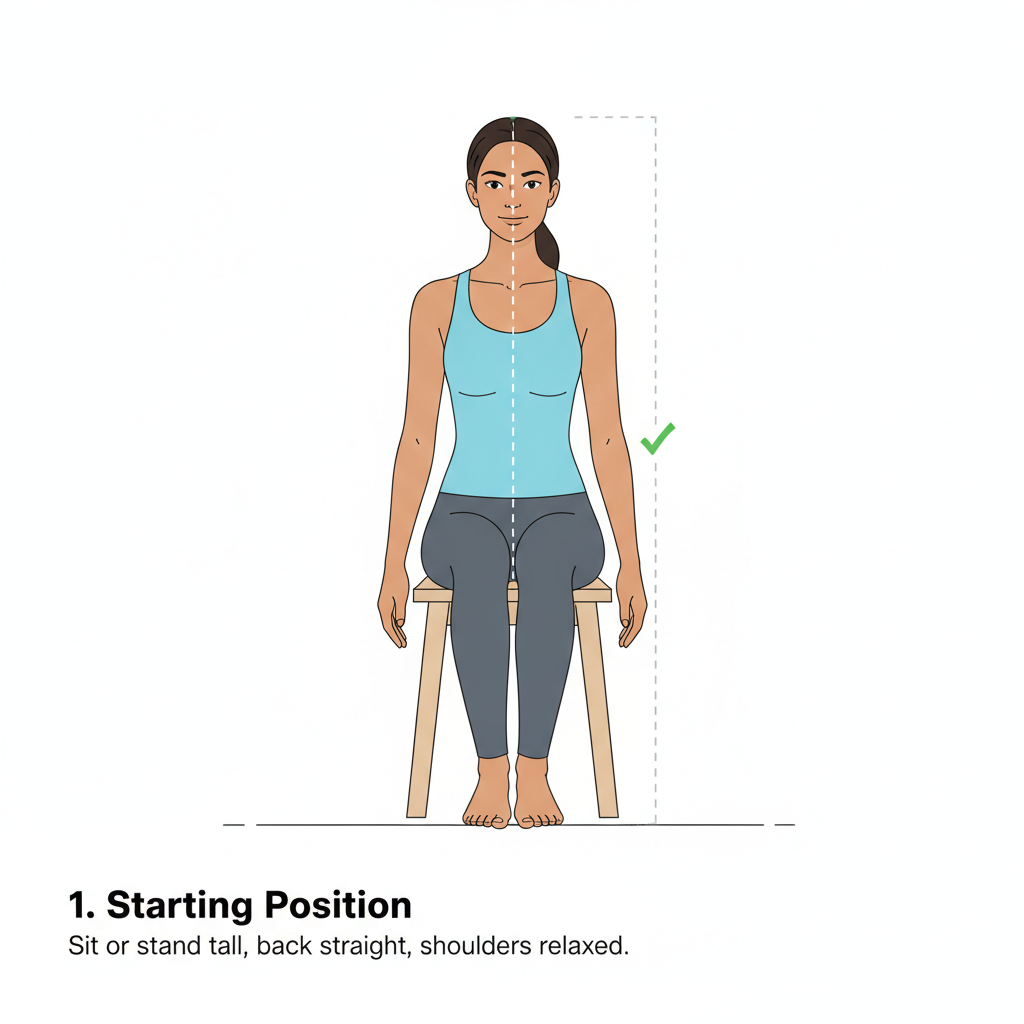
Rounded shoulders often result from muscle imbalances around the shoulder blades. Shoulder rolls are highly effective for improving shoulder mobility and restoring muscle balance.
Step-by-Step Instructions
> Tip: Keep your neck and face relaxed as you move your shoulders. Focusing on the movement of your shoulder blades will enhance the effectiveness.
How It Works
Shoulder rolls strengthen the muscles around the shoulder blades and improve shoulder joint flexibility, helping to relieve muscle stiffness and pain caused by rounded shoulders. As your shoulder blades move more freely, opening your chest will feel more natural.
Exercise 3: Wall Stretch
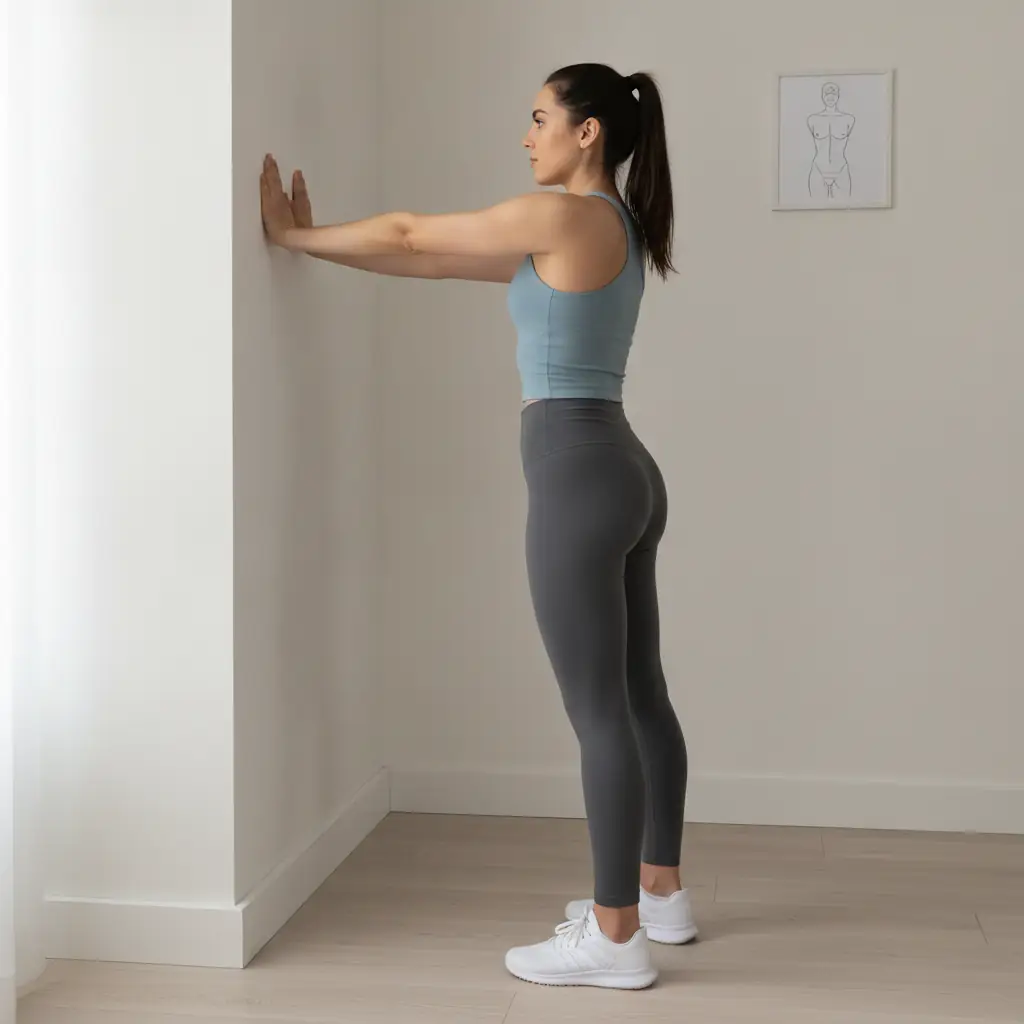
The wall stretch is an excellent exercise for opening up the chest and shoulders, making it especially effective for correcting rounded shoulders. It also helps improve lung expansion.
Step-by-Step Instructions
> Tip: Be careful not to arch your lower back excessively. Focus on opening your chest as wide as possible.
How It Works
This stretch lengthens tight chest muscles and encourages the shoulder blades into proper alignment. It also increases lung capacity and contributes to better posture.
Maintaining Good Posture Through Consistent Exercise
Repeat Each Exercise Three Times a Day
For best results, aim to do these exercises three times a day—before work, during a break, and after work. Each session only takes about 10–15 minutes, making it easy to fit into your routine.
Notice Changes After 2–3 Weeks
Within the first 2–3 weeks, you’ll likely notice reduced stiffness and tension in your neck and shoulders. With continued practice, you may observe improved neck curvature and greater shoulder mobility after 8–12 weeks.
> Caution: If you experience significant pain during these exercises, stop immediately and consult a professional. Pregnant individuals or those with existing spinal conditions should seek medical advice before starting.
Regular Posture Checks
Check your neck and shoulder alignment in front of a mirror, or ask a friend or family member to observe your posture. When using your smartphone, make a habit of keeping the screen at eye level.

Everyday Tips for Better Posture
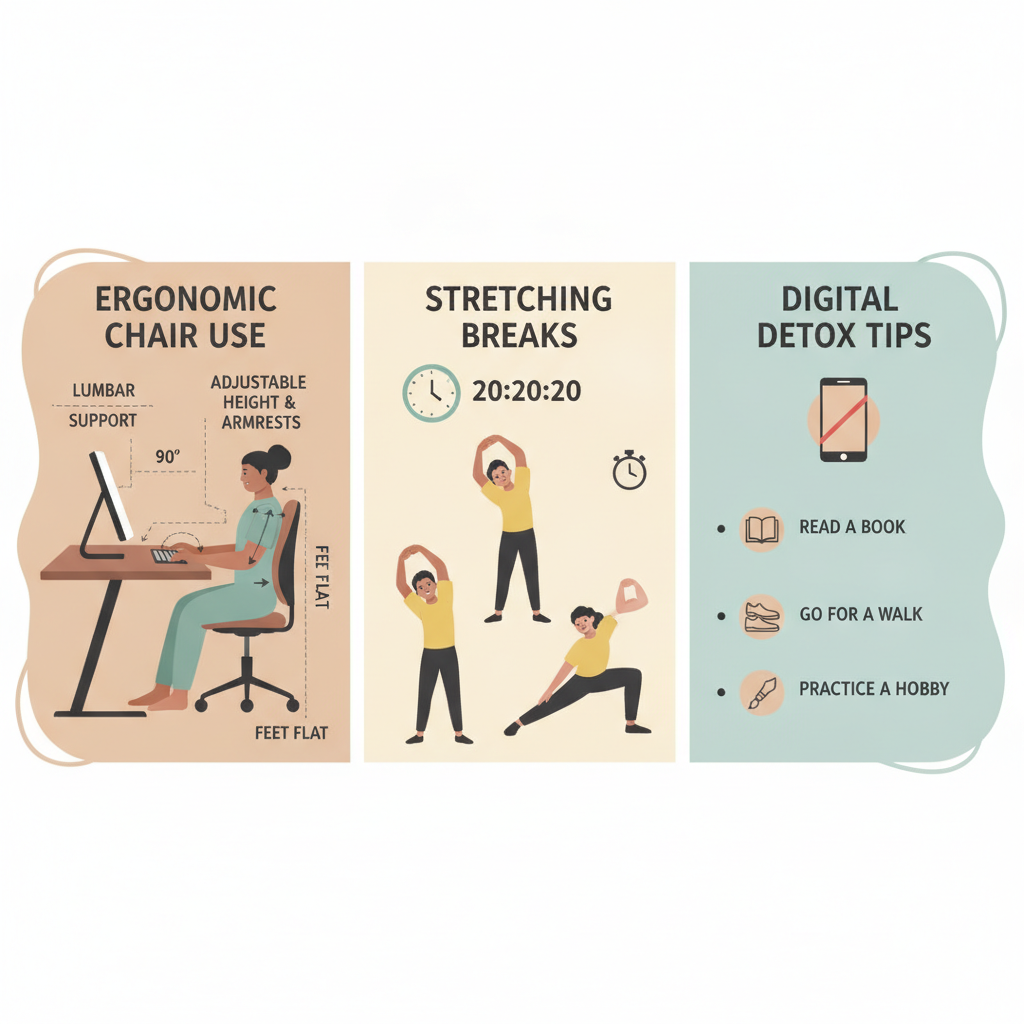
Use the Right Chair and Sit Properly
Choose a chair with back support that allows your feet to rest flat on the floor. When sitting, scoot your hips all the way back and keep your back straight.
Take Regular Stretch Breaks
If you’re sitting for long periods, take a quick stretch every 30 minutes to relieve muscle tension. When focusing at your computer, remember to care for your eyes as well—this benefits your overall health. (Related article: How to Relieve Digital Eye Strain: The 20-20-20 Rule and Blue Light Protection Guide)
The Importance of Digital Detox
Reducing your time on smartphones and computers and spending more time in nature can help restore both your body and mind. This not only supports posture correction but also contributes to a healthier overall lifestyle. For more details, see Building a Wellness Routine: A Practical Guide to Sustainable Healthy Habits.
With consistent exercise and improved daily habits, you can effectively correct forward head posture and rounded shoulders, regaining a healthy body and mind. Remember, good posture is deeply connected not only to physical balance but also to mental stability.
If you’re interested in more posture correction exercises and wellness content, check out See Exercise Methods for a variety of helpful resources.
How to Relieve Digital Eye Strain: The 20-20-20 Rule and Blue Light Protection Guide
Building a Wellness Routine: A Practical Guide to Sustainable Healthy Habits
Services by Botonglee