Economic Recession Signals and What the Yield Curve Inversion Tells Us
Recent signals of economic recession and the inversion of short- and long-term interest rates provide crucial investment insights for individual investors.
Currently, both the South Korean and U.S. economies face increasing uncertainty due to yield curve inversion, directly impacting stock investments and asset allocation strategies.
This article will cover recent market trends, sectors to watch, insights from an investment principles perspective, and personal portfolio strategies in detail.
Recent Market Trends: Signals of Economic Recession
Yield Curve Inversion and Economic Outlook
As of April 2026, both South Korea and the U.S. are experiencing notable short- and long-term yield curve inversions.
Outgoing BOK Governor Lee Chang-yong emphasized that "monetary policy alone is insufficient for economic stability," underlining the need for structural reform.
The KOSPI fluctuates around the 6200 level with mixed performance while the KOSDAQ has seen a 7-day consecutive rise, yet investor anxiety remains high.
In the U.S., the Fed’s ongoing rate hikes combined with lingering inflation concerns have increased stock market volatility.
Historically, yield curve inversion has often signaled upcoming recessions, and current financial market instability suggests not just short-term corrections but a potential prolonged downturn.
Against this backdrop, investors must prioritize cautious portfolio construction and risk management.
Sectors and Themes to Watch
Defensive Stocks and Consumer Staples Expected to Outperform
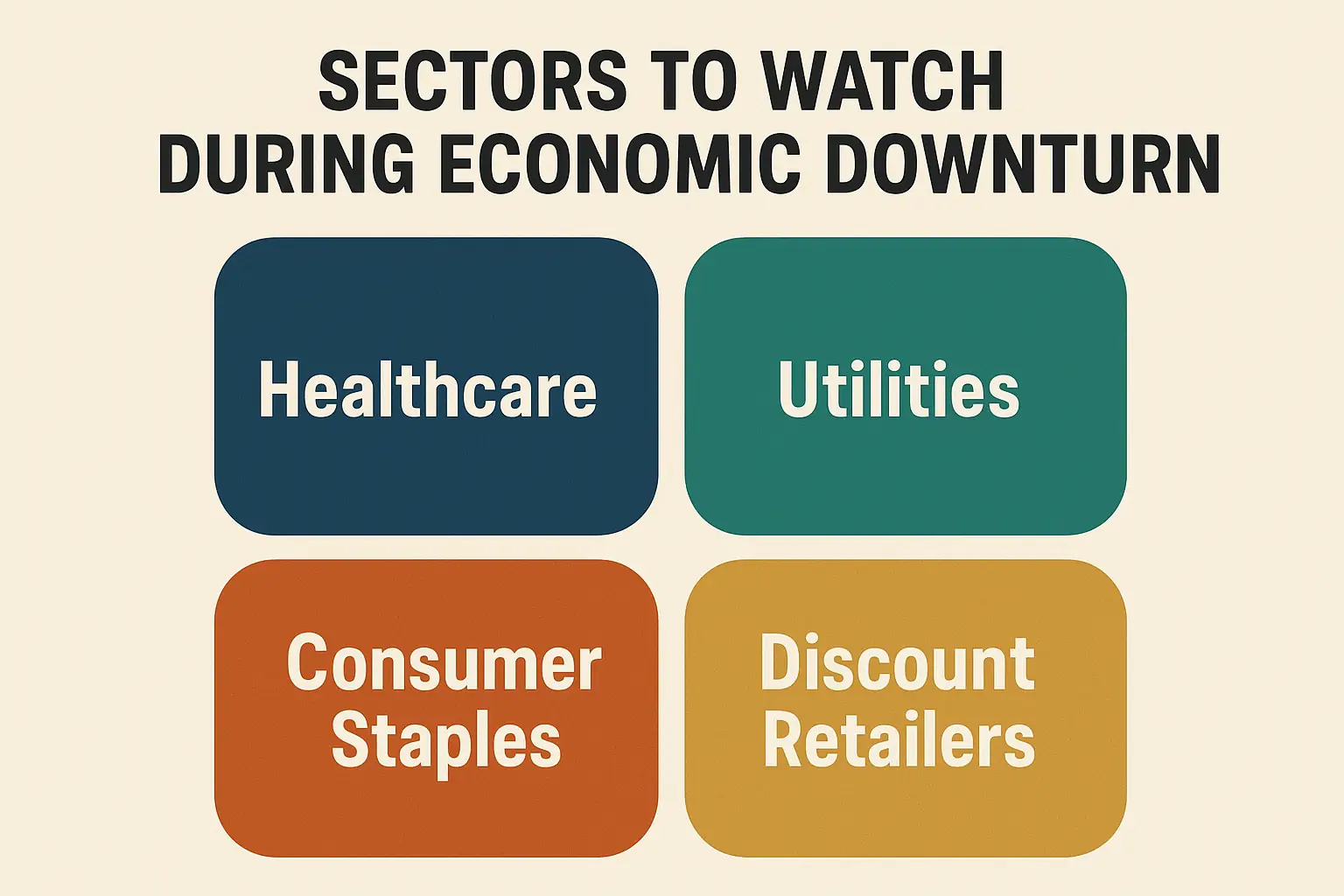
As fears of an economic slowdown grow, investors should focus on defensive stocks and consumer staples sectors.
Defensive sectors like food & beverages, utilities, and healthcare maintain steady demand and stable cash flows even during recessions.
Healthcare, in particular, benefits from aging populations and offers long-term growth momentum, making it attractive for value investors seeking a margin of safety.
필수 소비재는 경기 영향이 적어 PEG(주가수익성장비율) 기준으로도 합리적인 가격대에 있는 종목을 선별하는 것이 중요합니다.
Consumer staples, less sensitive to economic cycles, should be selected based on reasonable PEG ratios to balance valuation and growth.
Financials may benefit from rising interest rates but require careful long-term risk management due to economic slowdown risks and potential restructuring.
이와 관련해 AI 시대 반도체 산업도 성장 테마로 주목받고 있으니, AI 시대의 반도체 산업 투자 인사이트 글도 참고하시기 바랍니다.
In addition, the semiconductor industry in the AI era remains a growth theme worth attention—see Investment Insights on the Semiconductor Industry in the AI Era for more details.
Insights from Investment Principles
The Importance of Value Investing and Asset Allocation
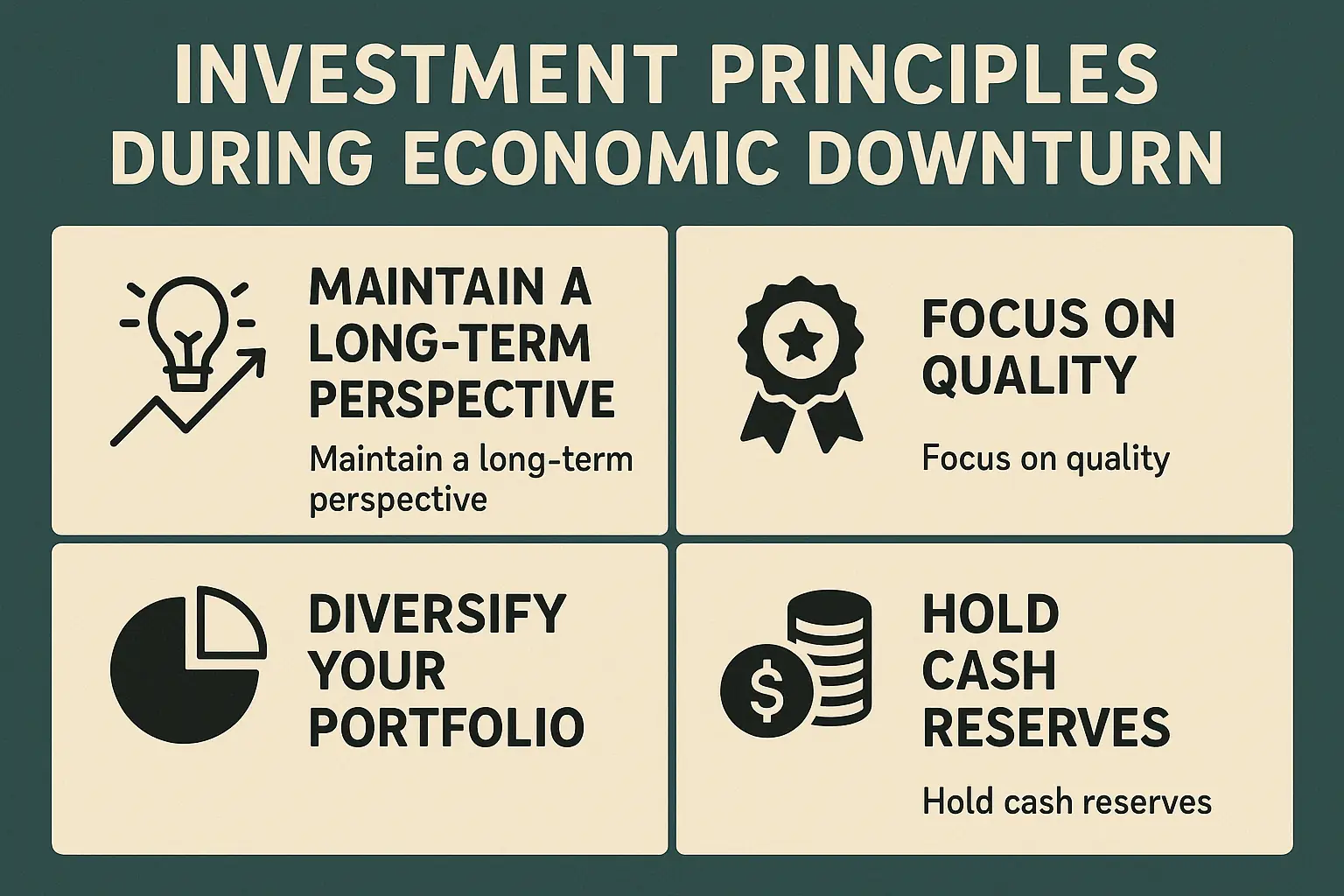
As recession signals become clearer, the value investing philosophy of Graham and Buffett shines even brighter.
It is essential to hold undervalued stocks relative to their intrinsic value with a margin of safety over the long term.
PEG 비율을 활용하는 피터 린치 방식도 일상생활에서 직접 체감하는 성장 가능 종목을 선별하는 데 도움을 줍니다.
Peter Lynch’s approach using PEG ratios helps select growth stocks grounded in real-life familiarity and future potential.
Following Ray Dalio’s asset allocation principles to diversify portfolios and balance risk parity is also critical.
Especially amid macroeconomic shifts like yield curve inversion, employing Livermore’s trend-following strategy—quick stop-loss and cautious observation when uncertain—proves effective.
저평가 종목을 찾는 스크리닝 방법은 PER과 PBR로 저평가 종목 찾는 법 — 실전 스크리닝 가이드 글에서 구체적인 사례와 함께 다루고 있으니 참고하시면 좋겠습니다.
For practical screening methods to find undervalued stocks using PER and PBR, check out How to Find Undervalued Stocks Using PER and PBR.
Personal Investment Strategy: Risk Management and Long-Term Investing
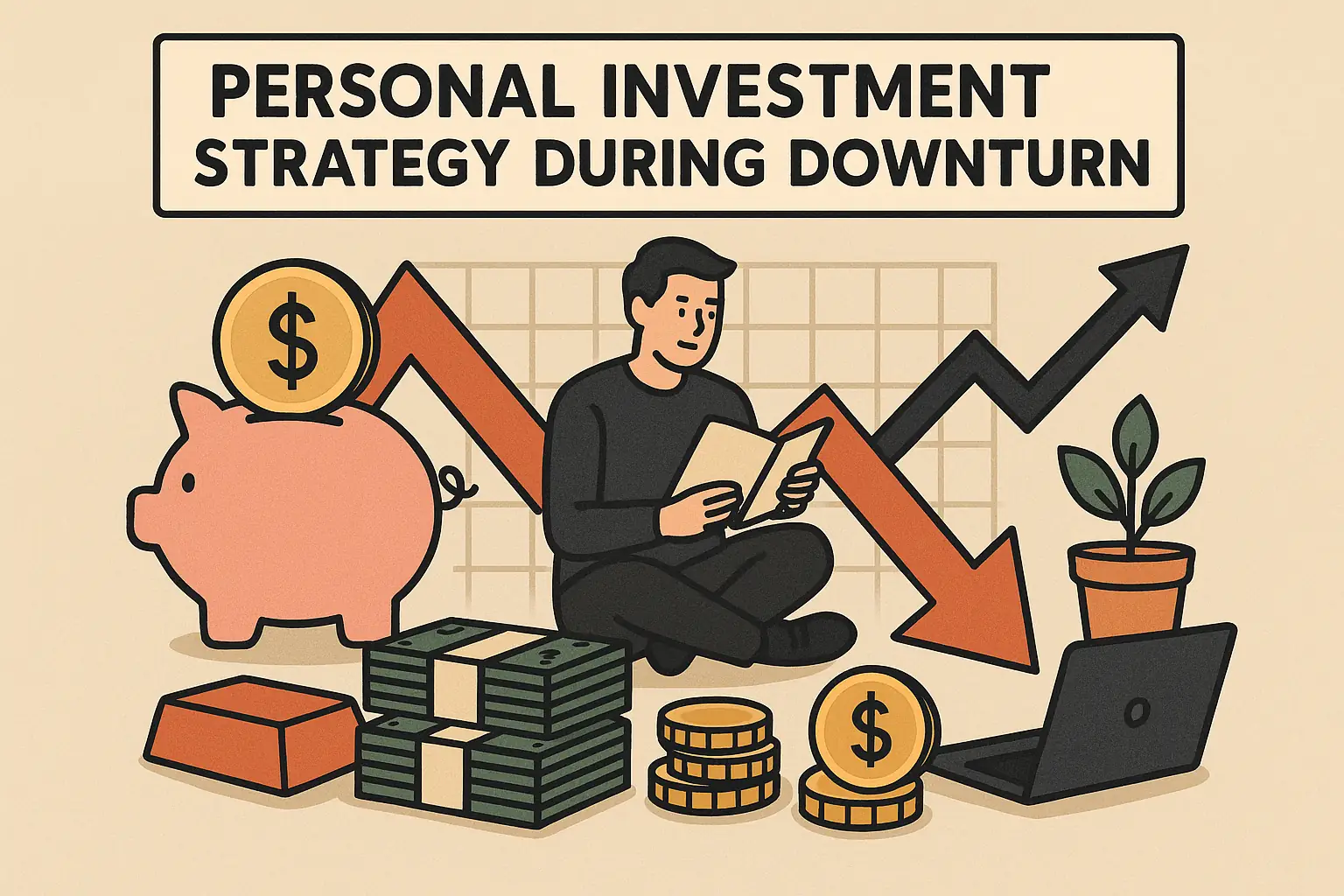
In the current economic environment, prioritizing risk management and focusing on long-term investing are essential strategies.
Allocate at least 30% of your portfolio to defensive stocks like food & beverages, healthcare, and utilities to withstand market volatility.
The key is to hold stocks with strong growth potential relative to intrinsic value over the long term, without being shaken by short-term volatility.
Continually analyze market conditions and regularly review and adjust your portfolio according to interest rate trends and geopolitical-economic issues.
For example, closely monitoring how recent Middle East tensions and shifts in U.S. defense policies affect the South Korean economy can greatly aid investment risk management.
Deepen your understanding of the economic situation with this week’s investment insights and invest more strategically. For more information and consultation, please subscribe to the newsletter!
References and Links
This week’s market is marked by high uncertainty due to recession signals and yield curve inversion, but disciplined investment principles and strategic asset allocation can turn challenges into opportunities.
I reiterate that a long-term perspective and diligent risk management, combined with consistent market observation and response, are keys to success for individual investors.
Thank you.
Services by Botonglee