Enhancing Quality of Life with Meditation and Mindfulness: A Step-by-Step Guide for Beginners
Meditation and mindfulness are powerful tools for managing stress and achieving mental stability in today’s fast-paced world. For beginners, these practices can seem vague or challenging at first, but with the right approach and consistent practice, anyone can start easily. In this article, you’ll find a step-by-step introduction to various techniques—including meditation, mindfulness, K-meditation, breathing exercises, and body scan—along with scientific evidence and practical tips.
Mindfulness and meditation go beyond simple relaxation; they have a positive impact on many aspects of life. According to research from Harvard University, mindfulness can help reduce anxiety and depression and lower the stress hormone cortisol. Adults who participated in an eight-week meditation program reported improvements in focus, emotional regulation, and sleep quality. Since meditation and mindfulness benefit both mental and physical well-being, they are well worth incorporating into your daily routine.
Understanding the Basics of Mindfulness
What Is Mindfulness?
Mindfulness is the practice of focusing on the present moment and accepting your experience without judgment. For example, when walking or eating, you pay attention to the sensations in your feet, the taste and aroma of your food, and how your body feels. This helps you step away from thoughts about the past or future and remain anchored in the now.
The Importance of Mindfulness
A study from the University of California found that regular mindfulness training effectively reduces stress and improves emotional regulation. Mindfulness has also been shown to help prevent depression relapse, reduce anxiety, and increase self-acceptance, all of which contribute to psychological well-being. Especially when your mind feels scattered at work or in daily life, mindfulness can help restore focus and maintain calm.
> Even taking five minutes a day to intentionally focus on your breath is a great starting point for mindfulness.
Practicing Mindfulness in Everyday Life
You don’t need to set aside special time to practice mindfulness—it can be woven into daily activities. Examples include savoring the colors, aromas, and flavors of your food while eating, focusing on your steps and breath during a mindful walk, or taking a few deep breaths before and after using your phone. These small habits add up, making it easier to experience stress relief and inner peace.
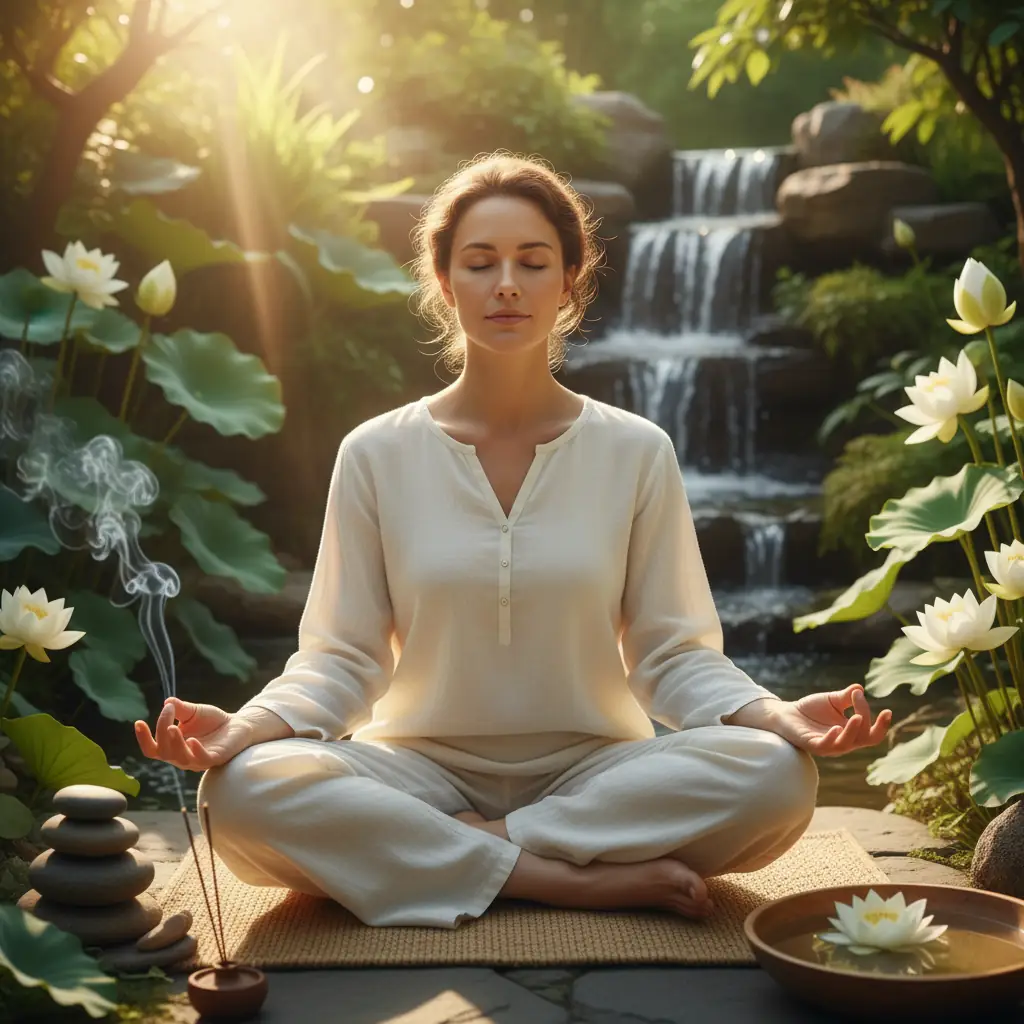
Introduction to Meditation Techniques: Body Scan
What Is a Body Scan?
Body scan meditation involves sequentially focusing your awareness on different parts of your body and noticing physical sensations. This technique is effective for identifying and releasing tension and is often used to alleviate insomnia or stress. It’s easy for beginners to follow, making it a great first meditation practice.
Step-by-Step Guide to Body Scan Meditation
Keep your back straight and relax your body. You may close your eyes or keep them gently open.
Pay attention to your natural breathing and notice sensations throughout your body.
Scan each part of your body in order—your toes, feet, ankles, calves, knees, and so on—observing sensations like temperature, tension, or weight.
With each exhale, focus on the feeling of that area relaxing.
Notice the weight of your body and the contact with the floor, then slowly open your eyes.
> Spend about 20–30 seconds on each area, aiming for a total session of 10–15 minutes. If you’re new, start with 5–7 minutes and gradually increase the duration.
Benefits and Applications of Body Scan
Studies have shown that people who practiced body scan meditation for 15 minutes daily over eight weeks experienced reduced anxiety and improved sleep quality. By focusing on bodily sensations, the autonomic nervous system calms down, reducing stress responses. Practicing a body scan before bed is especially effective as a sleep meditation.

Practicing Mindfulness with Breathing Techniques
The Importance of Breathing Techniques
Breathing is the simplest mindfulness tool you can use anytime, anywhere. Conscious breathing helps stabilize the nervous system, lowers stress hormone levels, and supports focus and emotional regulation. The American Psychological Association (APA) also recommends breathing exercises for stress management.
Step-by-Step Breathing Techniques
> Watching your belly move naturally in front of a mirror can be helpful. Whenever you feel tense, focus on your breath and practice staying “here and now.”
Everyday Tips for Breathing Exercises
Practicing briefly three times a day can gradually increase your sense of psychological stability.
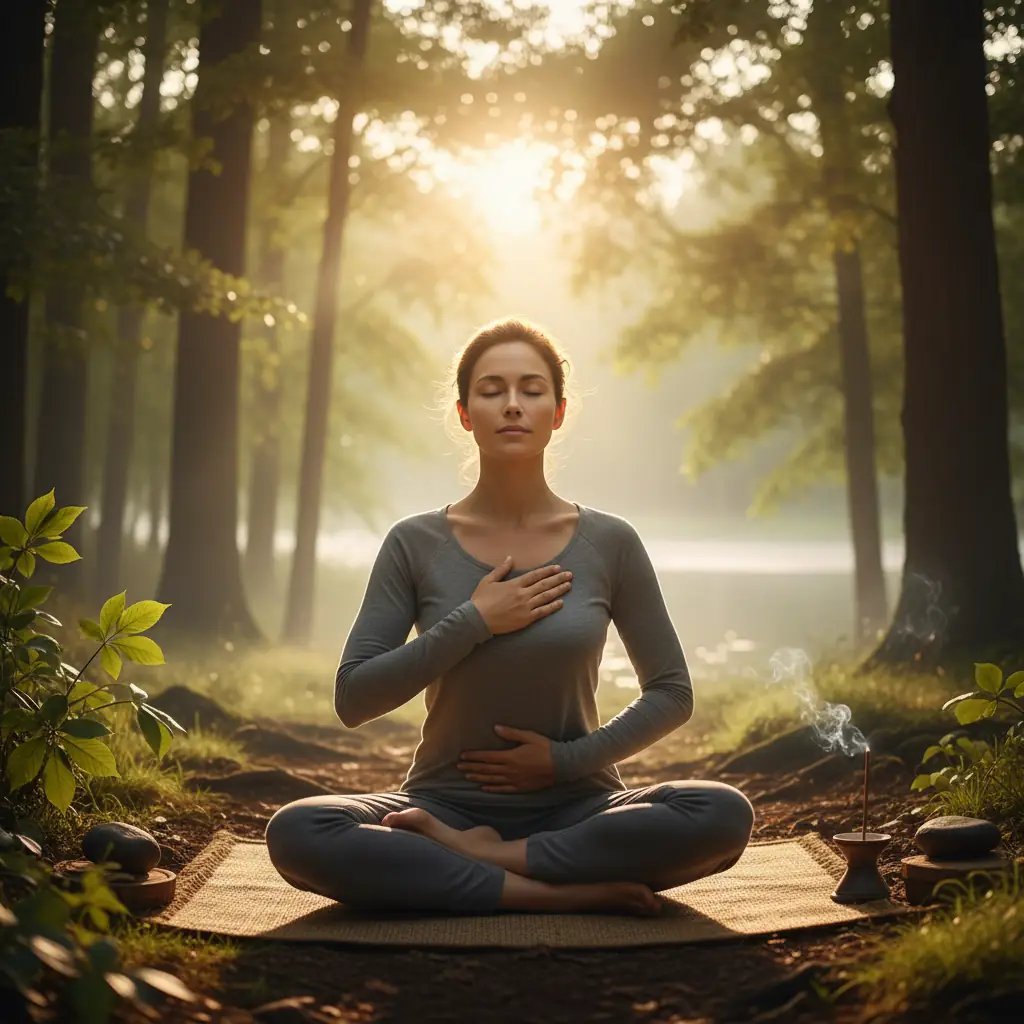
The Harmony of K-Meditation and Wellness
What Is K-Meditation?
K-meditation is a modern reinterpretation of traditional Korean meditation practices such as Seon (Zen) meditation, Chamseon (contemplative meditation), and breathing exercises. It combines elements of Korean medicine and psychotherapy to promote balance between body and mind. Meditation centers in Korea emphasize connection with nature, tranquil environments, and traditional breathing techniques to foster mental calm and physical recovery.
Connection with Wellness
K-meditation aims not only for mental cultivation but also for physical health improvement and stress reduction. It is often paired with traditional Korean medicine, sauna therapies, and wellness programs that incorporate natural healing elements, creating harmony between mind and body. As a result, there are increasing reports of its effectiveness in alleviating chronic fatigue, stress-related conditions, and insomnia.
Real-Life Example
At “Sumgyeol,” a meditation center near Seoul, K-meditation is offered alongside traditional Korean healing programs. In their 12-week program, 85% of participants reported reduced stress and better sleep quality.
> If you live in Seoul or the surrounding area, visiting a K-meditation center for a firsthand experience is highly recommended.
Sustaining Your Meditation and Mindfulness Practice
Sample Weekly Practice Plan
With consistent practice, you’ll likely notice reduced stress and improved focus within 2–3 weeks. After 8–12 weeks, you may experience greater emotional stability, better sleep, and an overall enhancement in quality of life.
Creating Your Own Meditation Space
To maintain a regular meditation and mindfulness practice, it’s helpful to set up a dedicated space. Choose a quiet, uncluttered area with a comfortable mat or cushion, soft lighting, and perhaps your favorite candle or diffuser. The space doesn’t need to be large—what matters most is that you feel safe and at ease there.
Connecting with Community
If you find it hard to meditate alone, consider joining an online meditation group or a local community. Practicing with others and sharing experiences can provide ongoing motivation and emotional support. You might also join a mindfulness challenge on social media or explore resources like Melting Relationship Stress with Loving-Kindness Meditation: The Power of Love and Positivity.
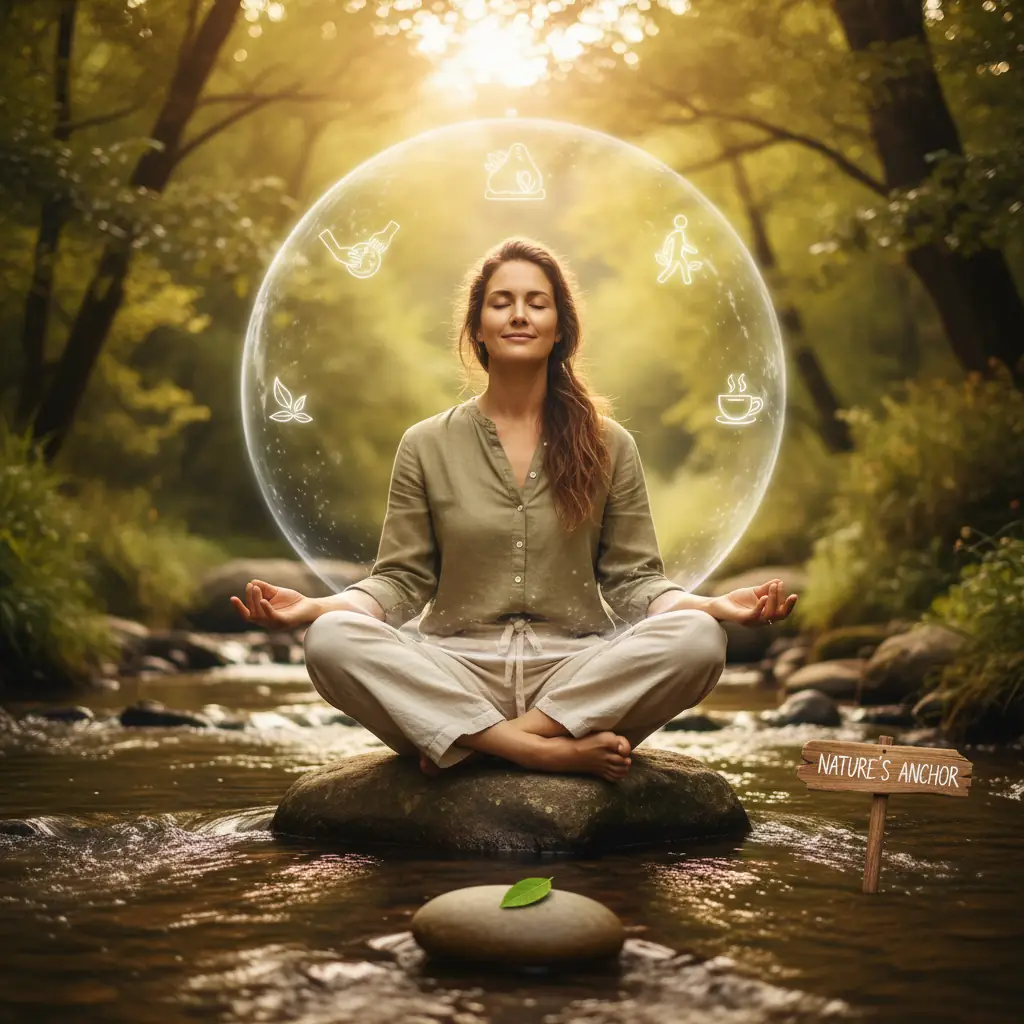
Meditation and mindfulness are not habits that form overnight—they become part of your inner life through steady and sincere practice. Use this step-by-step guide to find the methods that work best for you. You’ll notice a significant improvement in your quality of life and stress management.
If you’d like more information, consider subscribing to our newsletter for ongoing updates. With consistent practice, may your mind grow lighter and your well-being flourish.
References & Further Reading
Services by Botonglee