How to Live More Vividly Through Death Meditation (Maranasati)
Thinking about death is never easy for anyone. However, facing this uncomfortable topic through the practice of 'Death Meditation' (Maranasati) can actually awaken us to the preciousness of life and help us cultivate the power to focus on the present moment.
If you are looking to start managing stress and practicing mindfulness through meditation, death meditation can teach you how to handle inner anxiety and fear, and discover a deeper sense of meaning in life. In this article, you'll find a step-by-step guide to practicing death meditation, scientific evidence and real-life effects, and an exploration of its connection to traditional Korean K-meditation. By reading to the end, you'll learn how to strengthen your mindfulness, reduce stress and anxiety, and achieve deeper healing through death meditation, one step at a time.
This post will cover: 1) the concept and meaning of death meditation, 2) a step-by-step practice guide, 3) scientific research and evidence, 4) personal experiences and case studies, 5) the connection with K-meditation, and 6) practical tips for daily life.
Go to guideDiscover More Meditation TechniquesExperience deeper mindfulness through a variety of meditation methods.What Is Death Meditation?
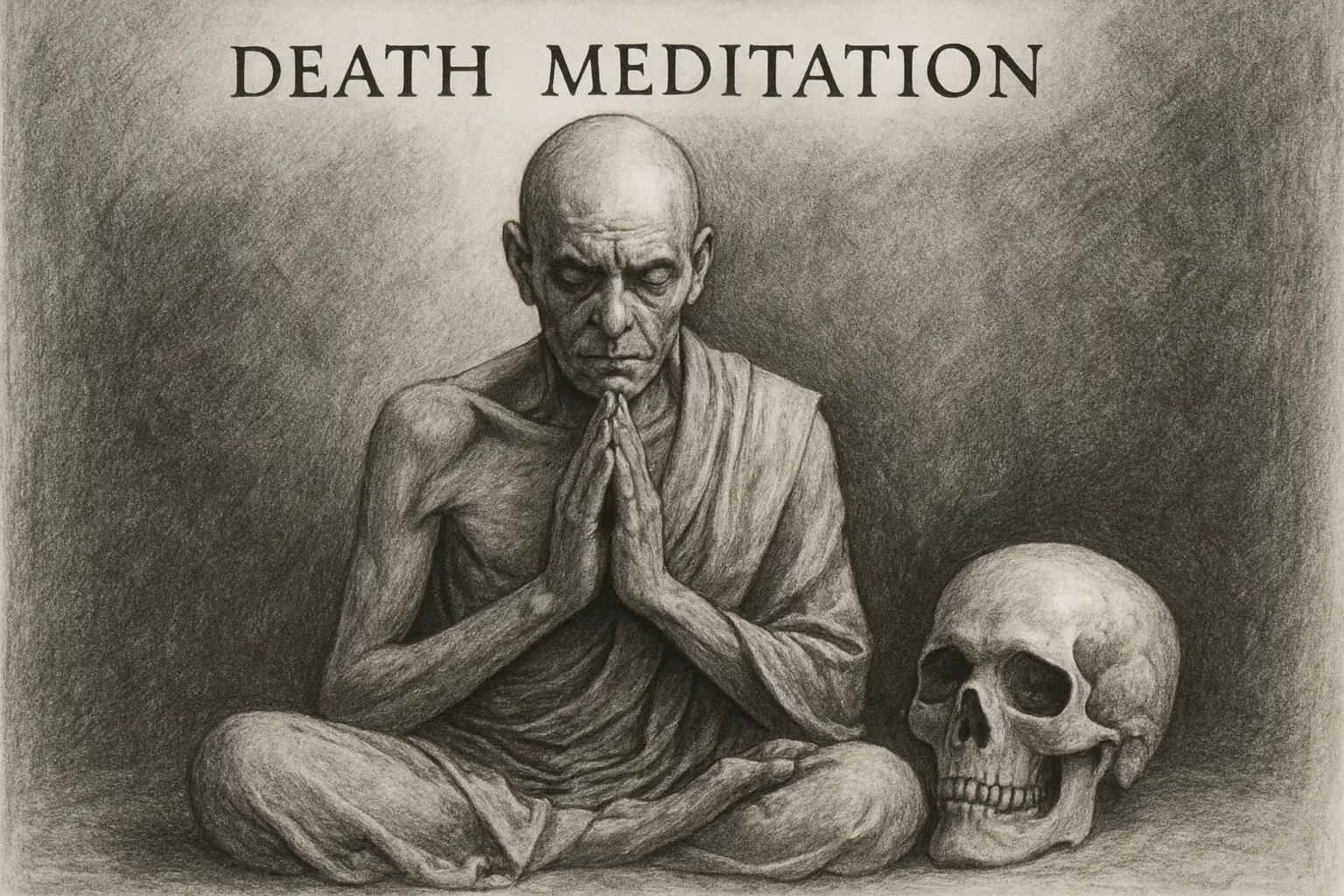
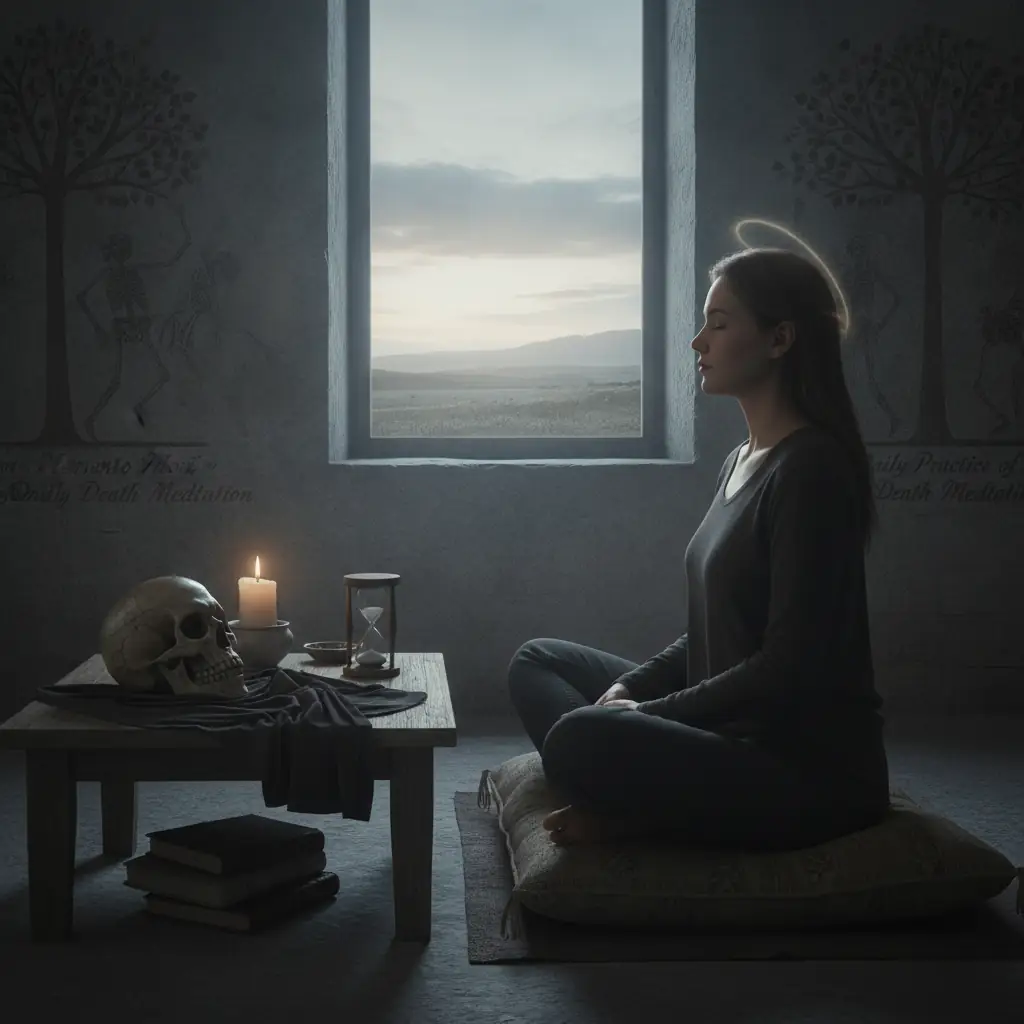
Death meditation, also known as Maranasati, is a meditative practice rooted in Buddhist tradition, meaning "remember death." Rather than viewing death solely as a source of fear, this meditation uses the contemplation of mortality as a tool to awaken to the essence of life and the value of the present moment. By reflecting on death, we can focus more deeply on the here and now, live each moment with greater awareness, and foster gratitude.
Death meditation is a form of mindfulness, closely linked to the training of staying present. Multiple studies have shown that repeated meditation on death can effectively reduce anxiety and stress. Instead of fear, it helps us discover meaning in life and find inner peace.
For a deeper understanding of mindfulness and meditation, see Understanding Meditation and Mindfulness.
How to Practice Death Meditation
Death meditation consists of simple steps that anyone can follow. Try this 7-step guide below.
Sit comfortably in a chair or cross-legged on the floor. Keep your back straight and your shoulders relaxed. Breathe naturally and deeply for about 3–5 minutes to settle in.
Effect: Calms the body and mind, preparing you for focused attention.
> Tip: If your spine is slouched or tense, your concentration may suffer. Check your posture in a mirror if needed.
Inhale deeply through your nose and exhale slowly through your mouth. Focus solely on your inhalation and exhalation for about 5 minutes.
Effect: Stabilizes the autonomic nervous system and relieves tension.
Silently repeat phrases like "I will die someday" or "Life is impermanent" in your mind. Maintain an attitude of acceptance, not fear, and repeat slowly for 3–5 minutes.
Effect: Instead of resistance, you develop natural acceptance and peace regarding death.
Think about what you are grateful for in your life, the people who matter to you, and your aspirations. Observe any emotions that arise without judgment, focusing for about 5 minutes.
Effect: Strengthens positive awareness and motivation toward life.
Take a few deep breaths to conclude the meditation. Open your eyes and notice the calmness within.
Effect: Helps you transition smoothly from meditation back to daily life.
Briefly jot down any thoughts or feelings that came up during meditation. Doing this daily helps you understand your progress over time.
Effect: Enhances self-awareness and emotional regulation.
Practice for 5–10 minutes once or twice a day, gradually increasing the duration if you wish.
Effect: Consistent repetition deepens psychological stability and mindfulness.
> Tip: At first, thinking about death may feel unsettling or overwhelming. Take your time and progress through the steps at your own pace.
Scientific Evidence and Effects
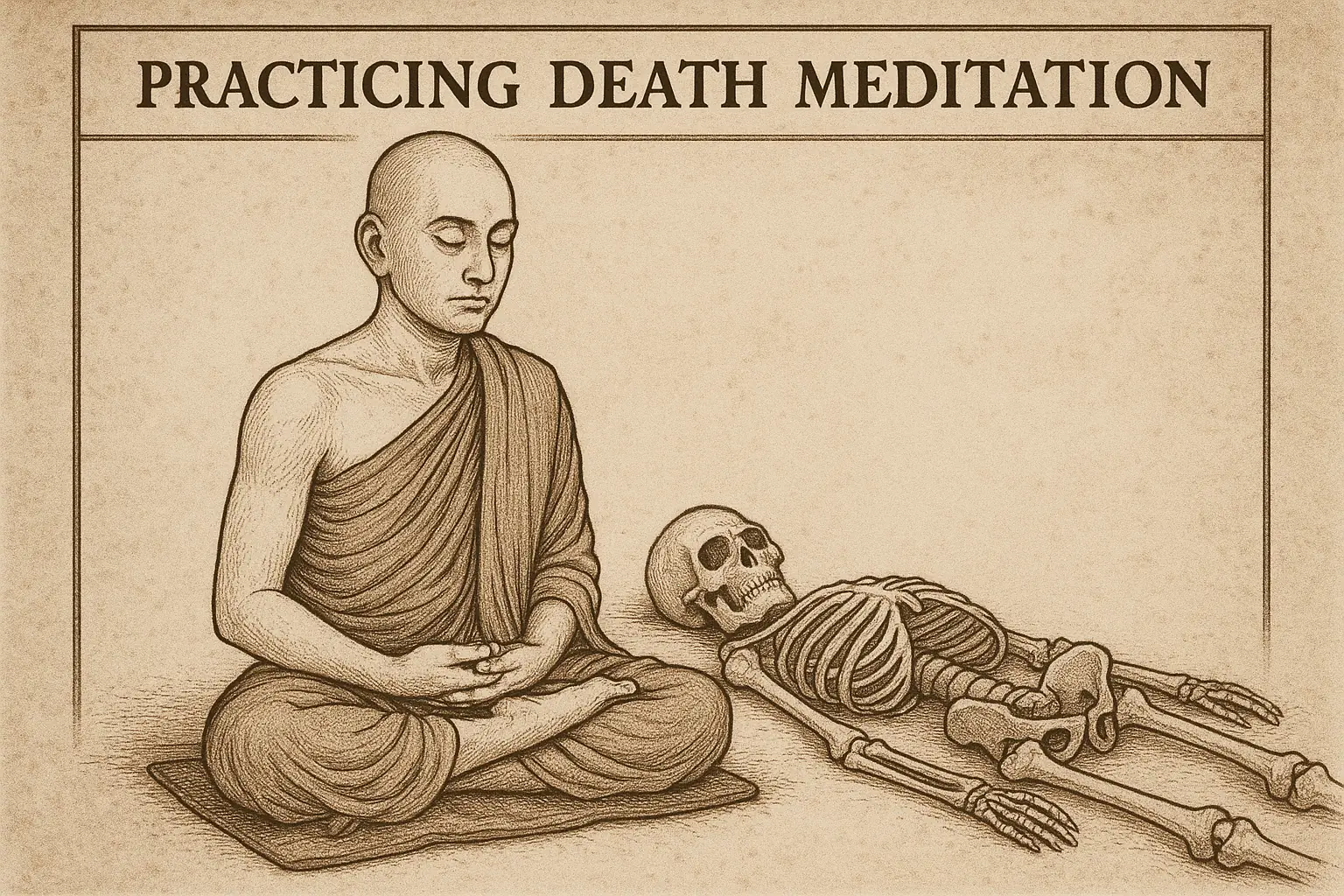
Death meditation is not only a philosophical or religious practice; its positive effects have also been demonstrated in psychology and neuroscience. According to a 2023 study by the American Psychological Association (APA), meditating on mortality significantly lowered stress levels and was effective in reducing anxiety.
The reason death meditation is so effective for stress management is that "realistic awareness of mortality" reduces unnecessary psychological resistance and avoidance, instead strengthening a mindful focus on the present. For more details, see The Relationship Between Stress Management and Meditation.

Personal Experiences and Case Studies
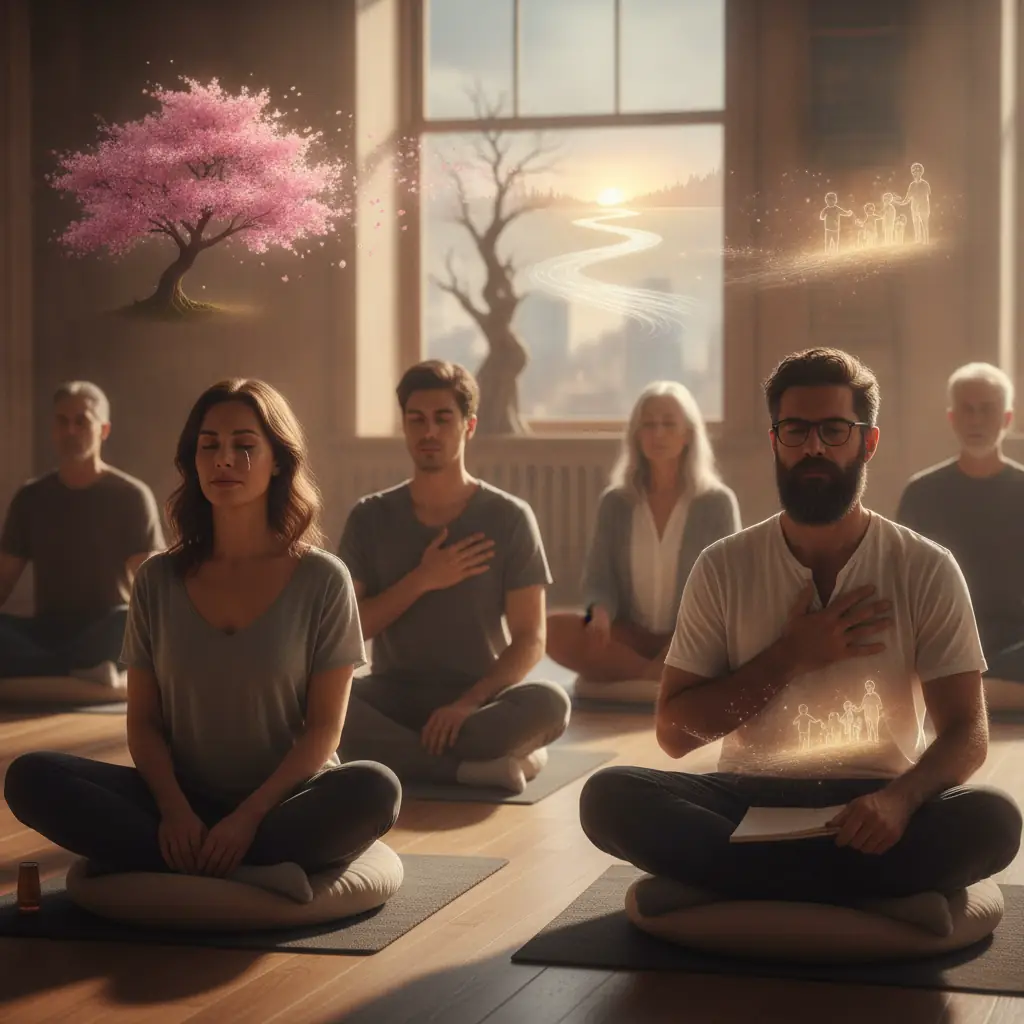
Personally, practicing death meditation regularly has made "the weight of life feel lighter and each moment more vivid." Initially, thoughts of death made me anxious, but with repeated meditation, my fear diminished and my gratitude for life grew.
For example, when work-related stress was overwhelming, practicing death meditation helped calm my anxiety and restore my focus. Emotional ups and downs became less intense, allowing me to respond more calmly in relationships, and when used as a sleep meditation, I experienced deeper rest.
Others in my meditation group who started death meditation also reported a shift in perspective. Many say that wanting to "spend every moment meaningfully until the very end" has led to increased motivation and willpower.
In this way, death meditation is not just about overcoming fear; it provides real support for stress management and self-awareness. If you want to turn your commute into healing time with walking meditation, check out How to Transform Your Commute into Healing Time with Walking Meditation.
The Connection Between K-Meditation and Death Meditation
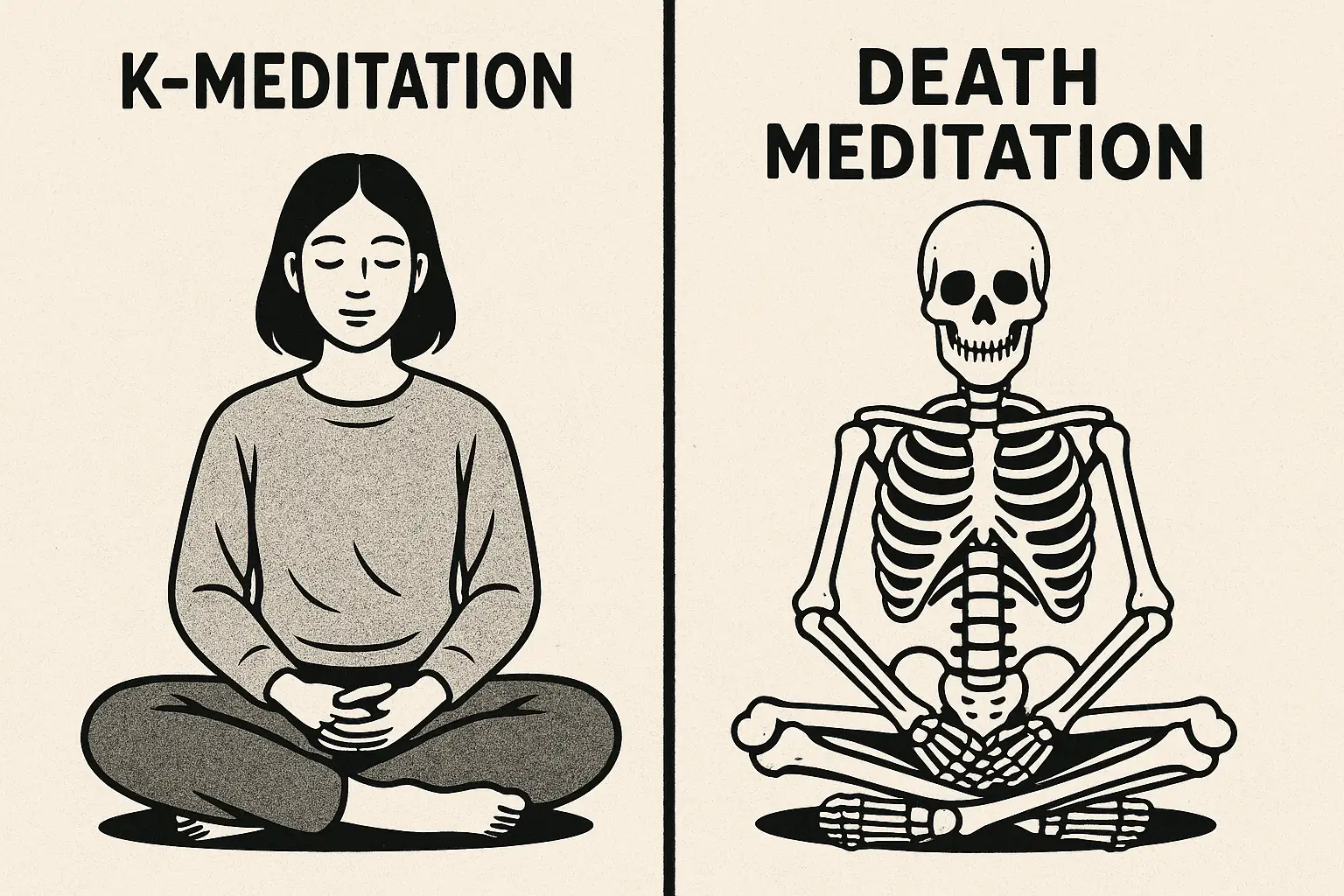
Traditional Korean meditation, or K-meditation, is based on Seon (Zen) and Buddhist practices, but has evolved with a modern sensibility. In this tradition, meditations on death and impermanence have become central themes for exploring the fundamental questions of life.
In K-meditation, practices similar to death meditation, such as "contemplation of impermanence," help practitioners recognize the fleeting nature of daily life and cultivate mindfulness within it. Korean Seon Buddhist practitioners accept death not as something to fear, but as a "process of change," fostering compassion, self-acceptance, and a commitment to living in the present.
Recently, in line with wellness trends, K-meditation has expanded to include various meditation techniques, breathing exercises, and body scans, making it popular for stress management, sleep meditation, and healing programs. This represents a harmonious blend of tradition and modernity, and a uniquely Korean reinterpretation of mindfulness.
For more on the modern application of K-meditation, see The Harmony of K-Meditation and Modern Meditation.
Practicing Death Meditation: Daily Routines and Tips
To integrate death meditation into your daily life without strain, the key is to "keep it short and frequent." Here are six practical tips:
Build a habit of meditating briefly in the morning, before bed, or during lunch. Consistency enhances the effects.
Write phrases like "I will die someday" in your phone's notes app and repeat them during moments of anxiety or when you need to refocus.
Relax by feeling sensations from head to toe, then stabilize your mind with death meditation. For a detailed guide on body scan and breathing techniques, see this previous post.
After each meditation session, write down small things you're grateful for to strengthen a positive outlook on life.
Observe thoughts and emotions that arise during meditation, and record changes in a journal or app. Recognizing emotions is key to mindfulness.
Practice short death meditations three times a day—morning, noon, and evening, for 3–5 minutes each.
> Note: If you experience severe anxiety or psychological distress during meditation, pause and consider seeking professional support.
How Long Until You See Results?
The effects of death meditation vary from person to person, but most people begin to notice initial changes after practicing consistently for about 2–3 weeks. Early on, you'll likely find it easier to manage anxiety and regulate emotions, and by weeks 8–12, many experience a shift in perspective on life and sustained stress reduction.
Research suggests that practicing meditation for 5–10 minutes daily is ideal, directly leading to reduced stress hormones, increased positive emotions, and improved concentration. Keeping an emotion log or meditation journal during this period can deepen your self-awareness and amplify the benefits.
In Closing
Death meditation may involve contemplating life's final moments, which can feel uncomfortable, but through this process, you gain the power to live more fully in the present. This special meditation technique supports stress management, mindfulness, and self-awareness—so start practicing step by step today. Exploring its harmony with K-meditation can further enrich your mindfulness journey.
If you're curious about more meditation methods and mindfulness tips, explore Discover More Meditation Techniques for a variety of content to help you find the routine that suits you best.
References

Services by Botonglee