How to Practice Mindful Eating: Building a Healthy Habit by Focusing on the Moment
Do you often find yourself rushing through meals, barely noticing what you eat? In the midst of a busy day, it's easy to eat on autopilot, which can lead to increased stress and poor digestion. Mindful eating offers a powerful way to restore both physical and mental well-being.
When you practice mindful eating, you can reduce stress, improve digestion, and experience greater satisfaction with your meals. In this article, you'll find a clear explanation of the principles of mindful eating, a step-by-step guide, scientific evidence, real-life stories, and practical tips for weaving this habit into your daily life. We’ll also share insights from the K-meditation and wellness perspective, making it easy to incorporate mindful eating into your routine.
If you want to make mindful eating a lasting habit, follow the guide below and start your journey today.
Go to guideTry It NowLearn how to be present through mindful eating.Why Is Mindful Eating Important?
Mindful eating goes beyond simply consuming food—it's a meditative practice that centers your attention on the present moment. By focusing fully on the color, taste, aroma, and texture of your food during meals, you can ease mental tension and naturally lower your stress levels. Many people who practice mindful eating report improvements in digestive issues and stomach discomfort.
K-meditation, a modern approach to Korean meditation, highlights mindful eating as an accessible wellness technique for everyday life. When you change your attitude toward food, you’ll notice positive shifts in both your physical and mental health.
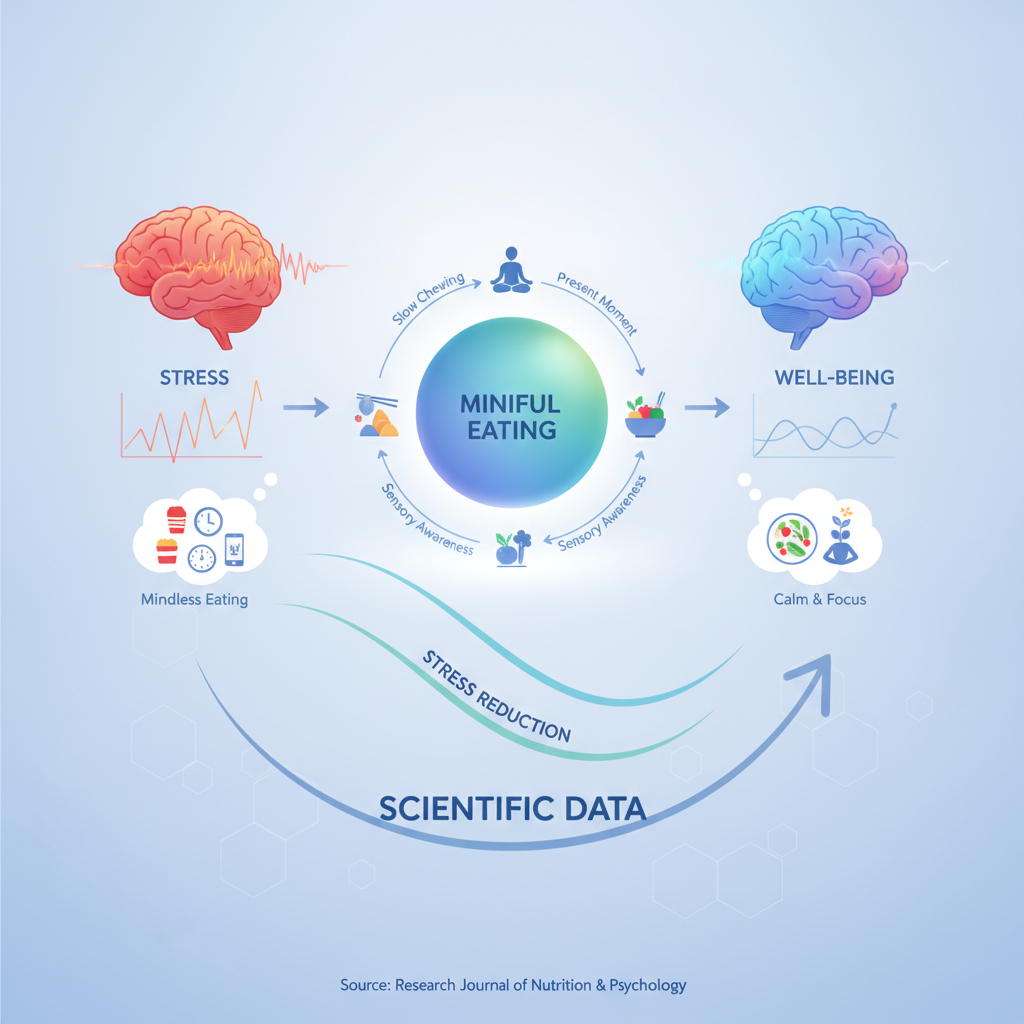
> Research shows that focusing on your meal can lower the stress hormone (cortisol) and boost digestive enzyme production. This is a natural shift that occurs as your body moves from a state of tension to relaxation.
In traditional Korean meditation, mindfulness is a core concept for harmonizing mind and body. Mindful eating is not just about changing your eating habits—it’s deeply connected to the philosophy of K-meditation.

Step-by-Step Guide to Mindful Eating
Mindful eating can be practiced by anyone in five simple steps. Try following these stages:
Step 1: Preparing for Your Meal
This stage helps bring your attention to the present and prepares you to focus on your meal.
Step 2: Observing Your Food
Focusing on your food naturally anchors your mind in the present and fosters a sense of gratitude for your meal.
Step 3: Chewing Slowly
Chewing slowly aids digestion and helps you recognize fullness, which can prevent overeating.
> Eating too quickly puts stress on your digestive system and scatters your attention. Practicing slow chewing is at the heart of mindful eating.
Step 4: Breathing with Each Bite
Breathing calms the mind and supports the release of digestive enzymes. Combining mindful eating with the 4-7-8 breathing technique can also benefit your sleep meditation routine. (Related article)
Step 5: Cultivating Gratitude
Gratitude plays a major role in calming the mind and reducing stress. This attitude of respect and consideration is also emphasized in K-meditation.

The Science Behind Mindful Eating
The benefits of mindful eating are supported by a range of scientific studies. For example, a 2019 study found that people who practiced mindful eating had significantly lower cortisol (stress hormone) levels and felt more psychologically stable after meals compared to a control group.
Other research has shown that mindful eating can help regulate food intake and support weight management. By staying present while eating, you’re less likely to overeat and more attuned to your body’s signals of fullness.
Recently, wellness services using AI coaches have emerged in Korea, offering real-time guidance for mindful eating during meals. (WECOSMO Guide)
> While mindful eating benefits both mental and physical health, those with eating disorders or specific nutritional needs should consult a professional before making changes.
Real-Life Experiences and Transformations
People who have consistently practiced mindful eating report a variety of positive changes, such as reduced stress, improved digestion, and stronger family bonds during shared meals.
One reader shared that mindful eating with family led to deeper conversations and greater mutual understanding and respect. Another person found that unnecessary snacking decreased, making weight management easier. Many say that while focusing on a single meal felt awkward at first, the more they paid attention to the taste and aroma of food, the more enjoyable eating became.
Personally, after adopting mindful eating, I found that work-related stress eased and dinner became the most peaceful part of my day.

Easy Ways to Make Mindful Eating a Daily Habit
To make mindful eating stick, it’s important to naturally integrate it into your daily routine. Here are some practical tips:
As these small habits accumulate, mindful eating will become a natural part of your life, helping you manage stress and even improve your sleep meditation. Practicing the 4-7-8 breathing technique alongside mindful eating can further enhance your physical and mental recovery. (Related article)

The Changes You’ll See with Consistent Practice
The real benefits of mindful eating come with steady practice. Here’s what you can typically expect:
You don’t have to practice mindful eating at every meal from the start. Begin by focusing on just one meal a day. Even if you slip up, you can always start again—consistency will help you feel real changes in your body and mind.
> Try mindful eating for just one meal a day. Gradually increase the frequency and observe the changes in your body and mind.

Mindful eating is an essential meditation and wellness habit for busy modern people. At your next meal, try to focus on each bite—you may be surprised at how small changes can transform your day and your health.
If you’re interested in deepening your mindfulness and meditation routines, check out the WECOSMO Meditation Platform Guide.
Related Articles
Services by Botonglee