How to Relieve Digital Eye Strain: The 20-20-20 Rule and Blue Light Blocking Guide
If you spend most of your day using digital devices like smartphones, laptops, or tablets, you've probably experienced dry, tired, or strained eyes at least once. Digital eye strain is more than just a minor annoyance—it can lead to reduced concentration, headaches, and even sleep disturbances, making it a health issue that everyone in the modern world should pay attention to. However, finding practical ways to reduce and prevent eye fatigue isn't always straightforward.
By reading through this article, you'll learn actionable steps to reduce digital eye strain, how to properly apply the 20-20-20 rule, the truth about blue light and how to block it effectively, and easy daily habits for maintaining eye health. Let’s explore step by step how you can protect your eyes in the digital age.
Causes of Digital Eye Strain
The screens we use daily—smartphones, computers, and tablets—place a significant burden on our eyes. Staring at screens for long periods reduces how often we blink and forces our eyes to focus up close for extended times, causing the eye muscles to remain tense. Normally, we blink about 15–20 times per minute, but this drops to less than half when using digital devices, making our eyes dry and uncomfortable. As a result, you may experience sensations like grittiness, itchiness, and fatigue.
Another culprit is blue light, which is a high-energy, short-wavelength visible light (about 380–500nm) emitted by digital screens. Blue light can reach deep into the retina and, with excessive exposure, may contribute to eye fatigue and even disrupt the secretion of melatonin, the hormone that regulates sleep, making restful sleep harder to achieve.
Eye strain doesn’t just affect your vision—it can also cause headaches, reduced concentration, and even neck and shoulder tension. For example, in Korea, office workers who spend more than 10 hours a day on computers have reported that regular eye care routines helped reduce both eye fatigue and headaches, improving their work efficiency.
For more information, see the American Academy of Ophthalmology Blue Light Guide.
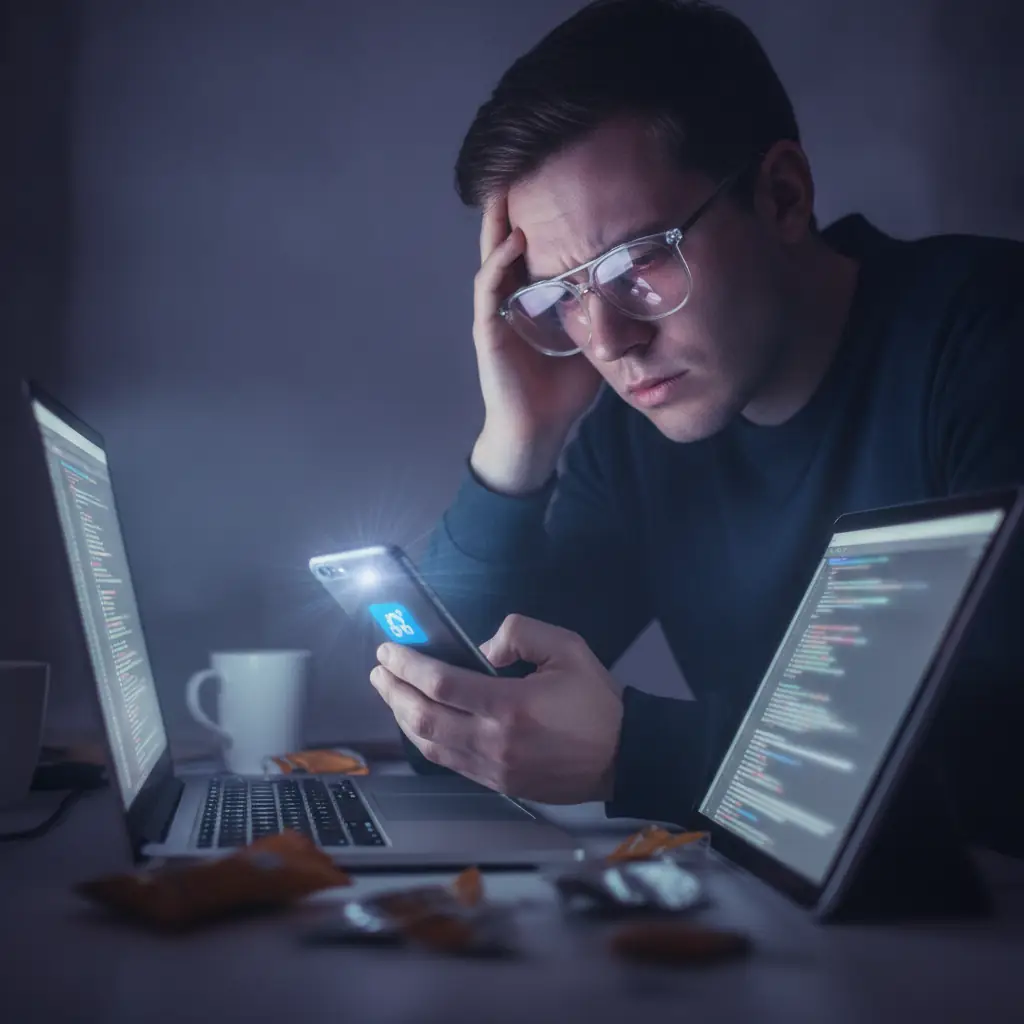
The 20-20-20 Rule: The Easiest Way to Reduce Eye Strain
One of the simplest and most effective ways to relieve digital eye strain is the 20-20-20 rule. This rule suggests that every 20 minutes, you should look at something 20 feet (about 6 meters) away for 20 seconds. This simple habit relaxes your eye muscles and helps prevent dryness.
How to Practice the 20-20-20 Rule
This method helps relax the focusing muscles of your eyes and slows down the evaporation of your tear film, effectively reducing dryness. A 2019 Healthline study found that people who followed the 20-20-20 rule experienced significantly less eye fatigue and better concentration.
> If 20 seconds feels too short, try closing your eyes and gently massaging around them before slowly opening them again.
Even in meditation classes, adapting the 20-20-20 rule—such as looking at natural scenery for 20 seconds after a 20-minute meditation—has shown to greatly reduce participants’ eye fatigue.

The Truth About Blue Light and How to Block It Properly
Blue light, with wavelengths between about 380 and 500 nanometers, is emitted in large amounts from smartphones, tablets, and LED lighting. Because it carries more energy and can reach the retina, there have been concerns about possible eye strain or damage from prolonged exposure.
However, blue light isn’t always harmful. During the day, blue light actually helps boost alertness, cognitive function, and regulates your circadian rhythm. The real problem is excessive exposure at night, which can suppress melatonin production and lower your sleep quality.
Blue light blocking glasses or screen filters can be especially helpful when using digital devices at night. During the day, blocking blue light isn’t necessary for most people; managing your screen time and environment is more important for eye health.
The American Academy of Ophthalmology notes that while more research is needed on the effectiveness of blue light blocking products, they do recommend them for improving sleep at night.
> Adjust your screen brightness to match your surroundings, and turn on ‘night mode’ or blue light reduction features in the evening.
For the latest information on blue light, check out Healthline’s article on the 20-20-20 rule.
Digital Detox: Rest for Your Eyes and Mind
Eye exercises and filters alone may not be enough to keep your eyes healthy. For people who use digital devices for long hours every day, regular ‘digital detox’ breaks are essential. Set aside time—whether a whole day or just a few hours each week—to disconnect from screens and allow your eyes and mind to recover.
How to Practice Digital Detox
Personally, I practice digital detox every weekend and have noticed a significant reduction in both eye fatigue and stress. Research also shows that resting your eyes in nature can lower your brain’s stress response.
> If a full digital detox feels overwhelming, start by taking a 10-minute break from screens every hour.

8 Daily Habits for Healthy Eyes
Beyond eye stretching and digital detox, it’s important to build healthy eye habits into your daily routine. Factors like posture, lighting, and hydration all play a role in eye fatigue.
8 Habits for Eye Health
> If you experience severe eye pain, vision loss, or headaches, be sure to consult a specialist.
Personally, I’ve found that doing simple eye exercises every 30 minutes, staying hydrated, and keeping a regular sleep schedule have greatly reduced my own eye dryness and fatigue.
For more details on healthy routines, check out Building Healthy Routines: A Practical Wellness Lifestyle Guide.

Conclusion: Consistent Practice for Healthy Eyes and Mind
Digital eye strain is an unavoidable concern for modern life, but with steady practice of the 20-20-20 rule, mindful blue light management, regular digital detox, and daily eye health habits, it’s absolutely possible to overcome it. Remember, improving your eye health can also boost your concentration and bring greater peace of mind.
If you practice the 20-20-20 rule two or three times a day, set aside one digital detox session per week, and do eye exercises regularly, you can notice a reduction in eye fatigue within two weeks. With 8–12 weeks of consistent practice, you may also see improvements in concentration and sleep quality.
Healthy eyes lead to a healthier mind and increased productivity. Start building your healthy digital lifestyle with small routines today.
References
Go to guideHow-ToDiscover ways to reduce digital eye strain.
Services by Botonglee