How to Transform Your Commute into Healing Time with Walking Meditation
For many people, commuting is a source of stress and fatigue. But what if you could turn this time into a healing moment just for yourself? Walking meditation can transform your daily commute into an opportunity for mindfulness and renewal, helping you manage stress and find mental balance. Even beginners can easily follow along, making it an accessible practice for everyone.
By reading this article, you'll discover a step-by-step routine for practicing walking meditation during your commute, scientific evidence supporting its benefits, real-life experiences, insights from the K-meditation perspective, and practical tips to help you keep up the habit. You'll leave with actionable methods you can start using today.
Go to guideView RoutineCheck out the walking meditation practice routineWhat Is Walking Meditation?
Walking meditation goes beyond simply walking—it is a mindfulness practice where you focus on the present moment, becoming aware of your body’s movements, your breath, and your surroundings. No special equipment or location is needed, so you can practice it anywhere: on your way to work, during a lunchtime stroll, or in a nearby park. By combining movement and meditation, you care for both body and mind at the same time.
Walking meditation offers a range of psychological benefits, such as reducing stress, improving concentration, regulating emotions, and enhancing sleep quality. In fact, researchers at Harvard University have found that mindfulness meditation lowers the stress hormone cortisol and activates areas of the brain responsible for emotional regulation. (Source: Digital Detox Meditation: The Power of 30 Minutes Without Your Smartphone)
This practice is a wonderful way for busy modern people to naturally incorporate self-care into their daily lives.
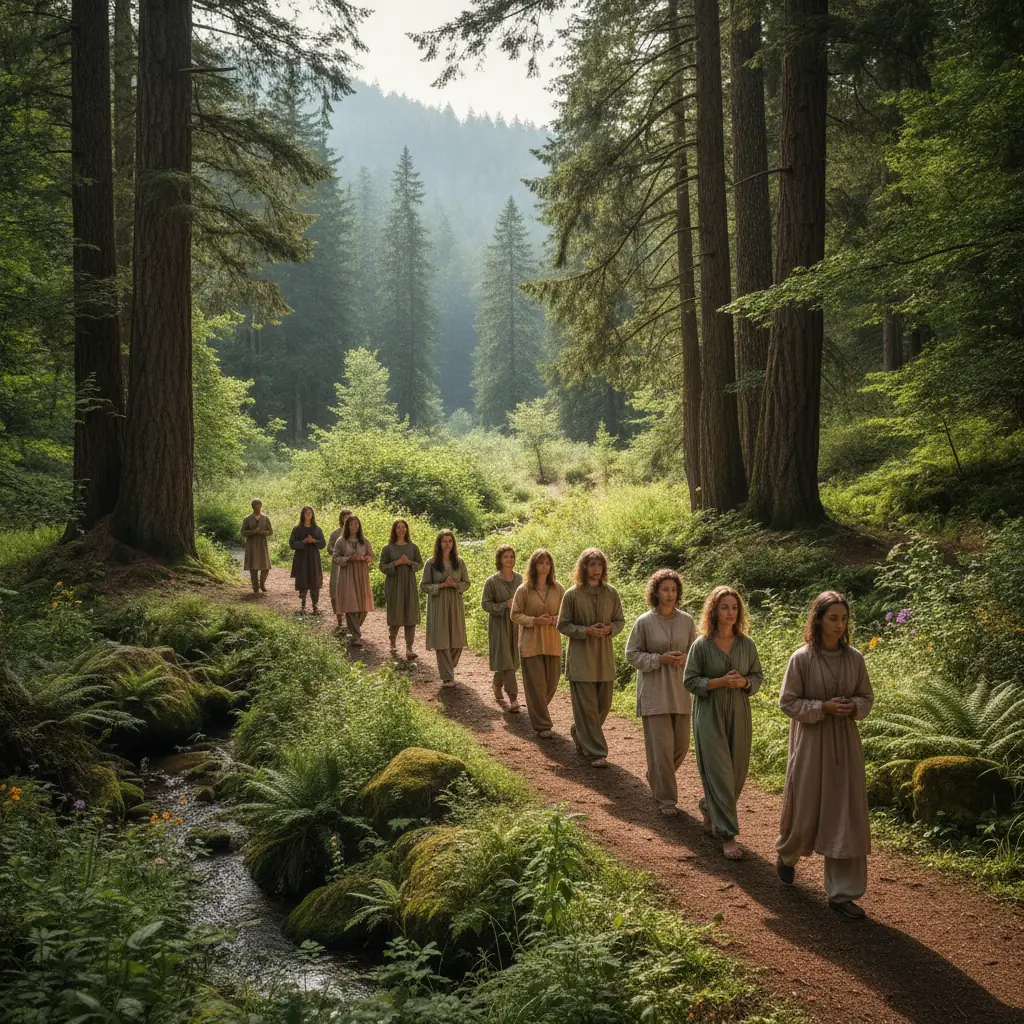
How to Practice Walking Meditation
While anyone can start walking meditation easily, following a step-by-step routine can help you get the most out of it. Try this four-step routine:
Step 1: Choose Your Location
Tip: To start, pick a less busy part of your morning commute so you can ease into the practice without pressure.
Step 2: Focus on Your Breath
Tip: If your breathing becomes rapid, slow your pace. The harmony between your breath and your steps is key.
Step 3: Tune Into Your Senses
Step 4: Observe Your Thoughts and Emotions
Tip: If your mind becomes distracted, practice returning your focus to your breath or your steps.
By applying these four steps for about 15–30 minutes during your commute each day, you’ll gradually improve your mindfulness skills.
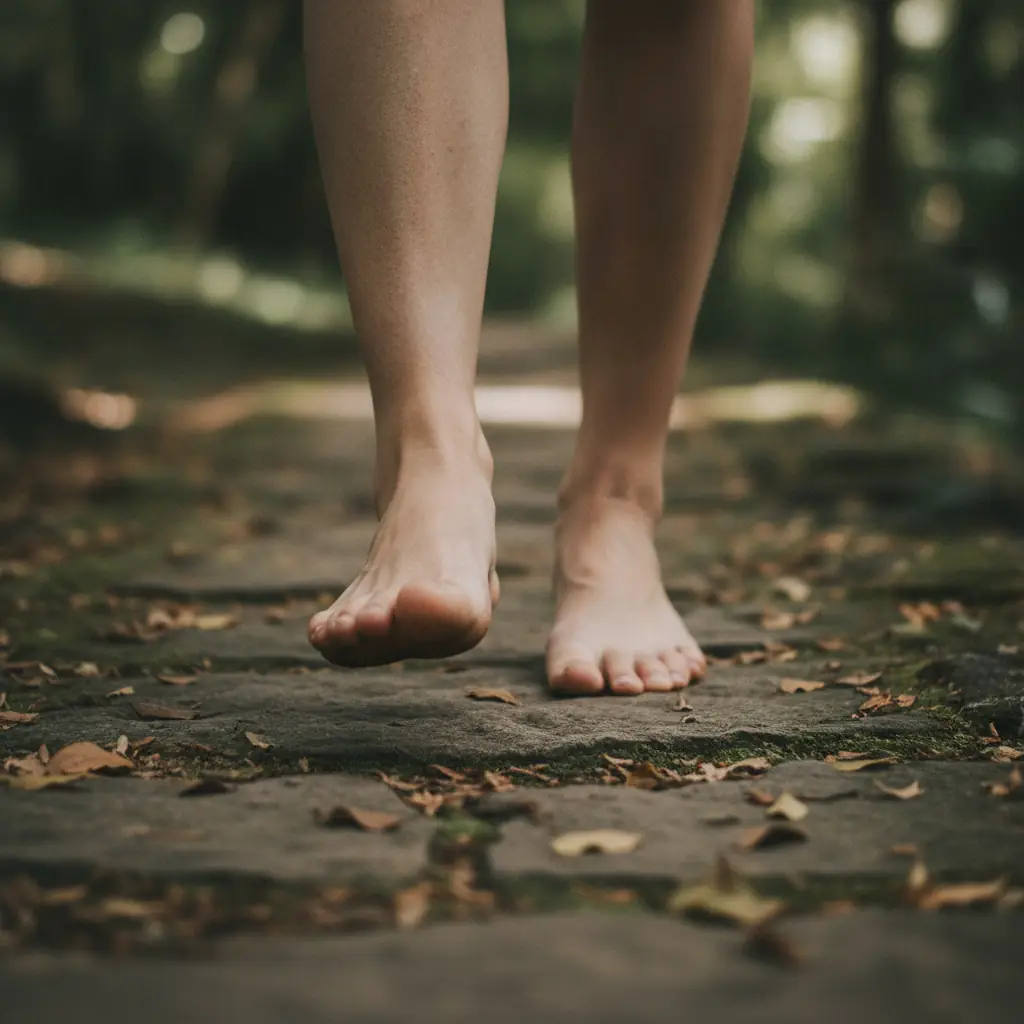
Scientific Evidence and Benefits
Walking meditation is more than just exercise—it’s a meditation method with proven psychological and neurobiological effects. Researchers at UCLA have shown that mindfulness meditation activates the prefrontal cortex and hippocampus, reducing stress responses and improving emotional regulation. (Activate Your Inner Energy with Chakra Meditation)
Combining meditation with walking increases blood flow and stimulates the release of neurotransmitters, creating a synergistic effect that helps reduce depression and anxiety. In one study, a group that practiced 30 minutes of walking meditation daily for eight weeks reported an average reduction of over 25% in stress and anxiety levels.
Walking meditation also promotes neuroplasticity—the brain’s ability to adapt and change—so the more consistently you practice, the more positive changes you’ll see in both mind and body.

Personal Experiences and Case Studies
Personally, I’ve found that practicing walking meditation on my commute has reduced my stress and left me feeling lighter. My focus at work improved, and I was able to unwind peacefully at the end of the day.
One office worker, Ms. Kim, shared, “After just three weeks of practicing walking meditation during my commute, my anxiety decreased and my sleep quality improved. Instead of looking at my smartphone on the subway, I started paying attention to my surroundings, which made a big difference.”
Walking meditation also offers a digital detox effect. The article Digital Detox Meditation describes how just 30 minutes of walking meditation without a smartphone can bring a sense of spaciousness and calm.
Incorporating walking meditation into your commute is a great way to add deep relaxation to your daily routine without needing extra time.
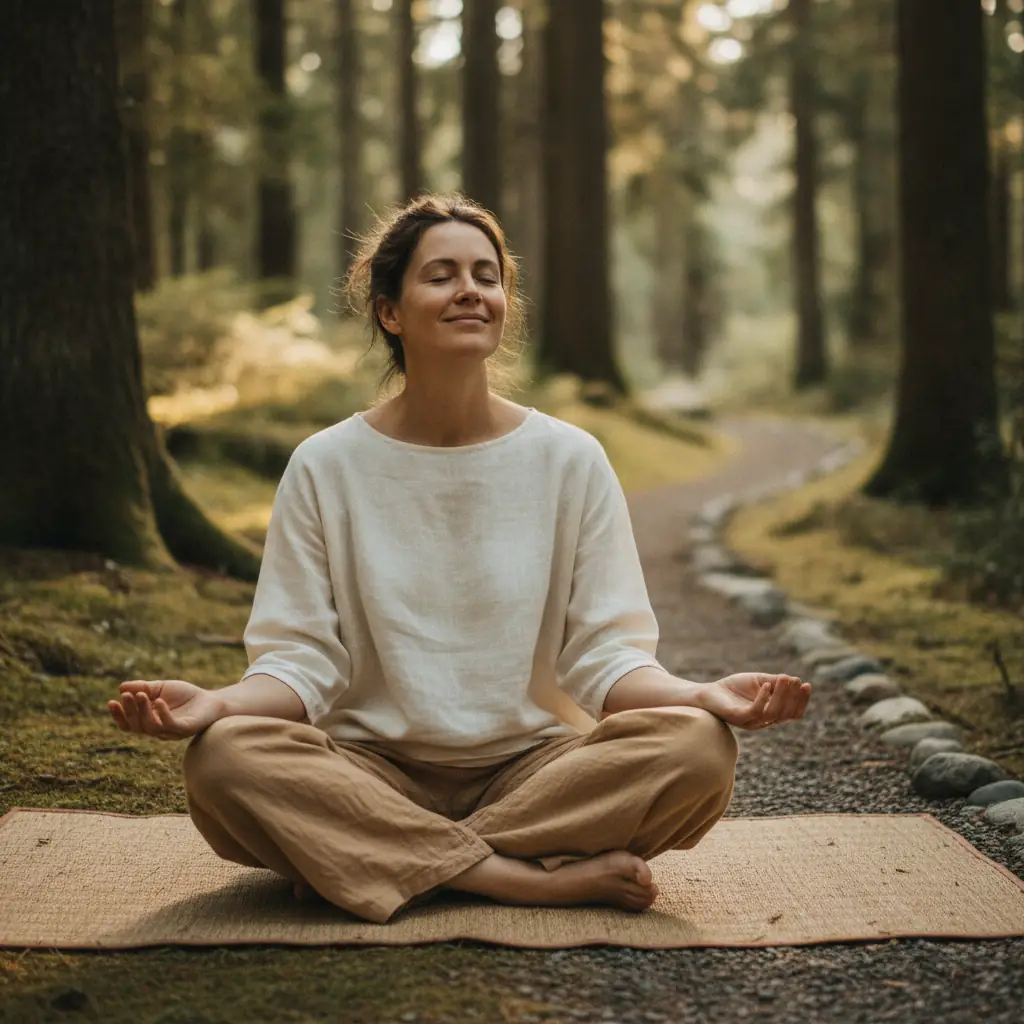
Walking Meditation from a K-Meditation Perspective
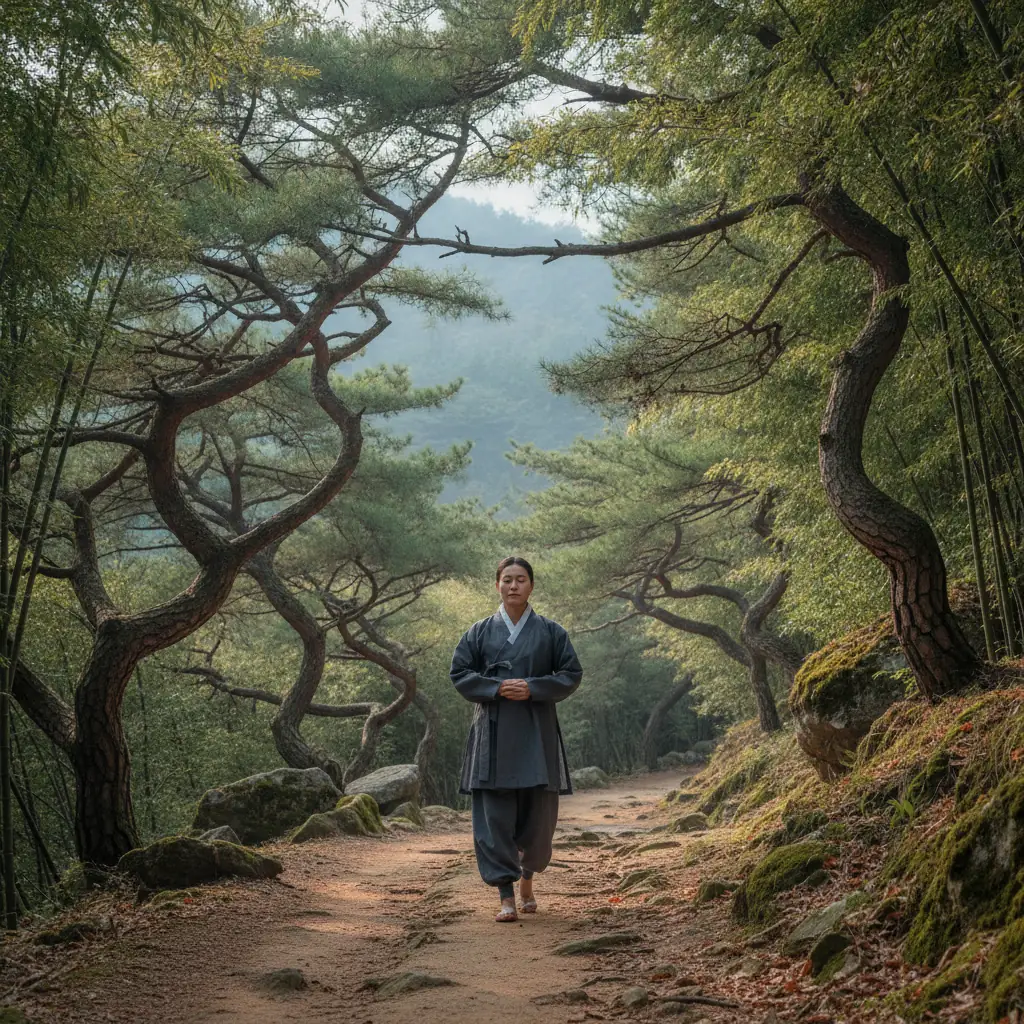
Traditional Korean meditation emphasizes harmony with nature and the balance of body and mind. In Seon (Zen) practice, “walking Seon” (haengseon) is a key method, and it’s being rediscovered in modern K-meditation wellness.
Walking meditation in Korean temple paths, hanok villages, or forest trails blends tradition with the present. Even in the city, you can use nearby walking paths to bring healing and self-care into your daily life.
K-meditation stresses “complete presence,” and walking meditation is a practical way to embody this philosophy. There is a growing trend of reinterpreting walking meditation in a modern context, honoring nature and encouraging self-reflection in line with tradition.
Tips for Sustainable Practice
To keep up with walking meditation, it’s important to weave it naturally into your daily life. Here are six tips to help you stay consistent:
Don’t rush or slow down your walk just to finish quickly—make sure you have 10–20 minutes to focus on meditation.
For example, aim for “three walking meditations on the way to work and two on the way home this week.”
Loosen up your body to reduce injury risk and prepare to focus on meditation.
Practicing with a friend or colleague can help you build the habit.
After each session, jot down how you felt or any changes you noticed. This supports self-observation and motivation.
On weekends, try a longer walking meditation in a park or along a scenic trail.
Note: If you experience severe pain or have health concerns, don’t push yourself—consult a professional if needed.
Using meditation apps or guided audio can help you practice more systematically. For more routines, check out View Walking Meditation Routine.

Walking meditation is a valuable habit for taking care of yourself, even in a busy life. Try transforming your commute from just a means of getting from A to B into a time for healing and renewal. I hope this routine brings you greater peace and focus in your daily life.
If you’re interested in deeper meditation and mindfulness, be sure to read Activate Your Inner Energy with Chakra Meditation and Digital Detox Meditation.
References and Links
Go to guideView RoutineCheck out the walking meditation practice routine
Services by Botonglee