Intermittent Fasting 16:8 — A Practical Health Routine for Busy Professionals
If you’re a working professional searching for a sustainable health routine that fits into your busy schedule, the 16:8 intermittent fasting method can be an exceptionally effective choice. This approach goes beyond simple weight management, fostering positive changes across your entire wellness lifestyle. Its benefits are amplified when integrated with morning routines, quality sleep, and mental well-being.
In this post, we’ll explore the fundamental principles of the 16:8 intermittent fasting method, practical strategies tailored for office workers, the connection between body and mind, and actionable, science-backed tips for building lasting healthy habits.
Understanding the Basics of Intermittent Fasting
Intermittent fasting is an eating pattern that cycles between periods of eating and fasting. Among its variations, the 16:8 method involves fasting for 16 hours and eating only during an 8-hour window each day. This naturally helps regulate meal portions and improves energy metabolism.
Benefits of the 16:8 Method
Why It’s Ideal for Professionals
Office workers often struggle with irregular meals, stress, digestive issues, fatigue, and poor concentration. The 16:8 intermittent fasting method limits eating times, allowing your digestive system to rest and helping stabilize blood sugar and hormone levels, which can enhance work performance.
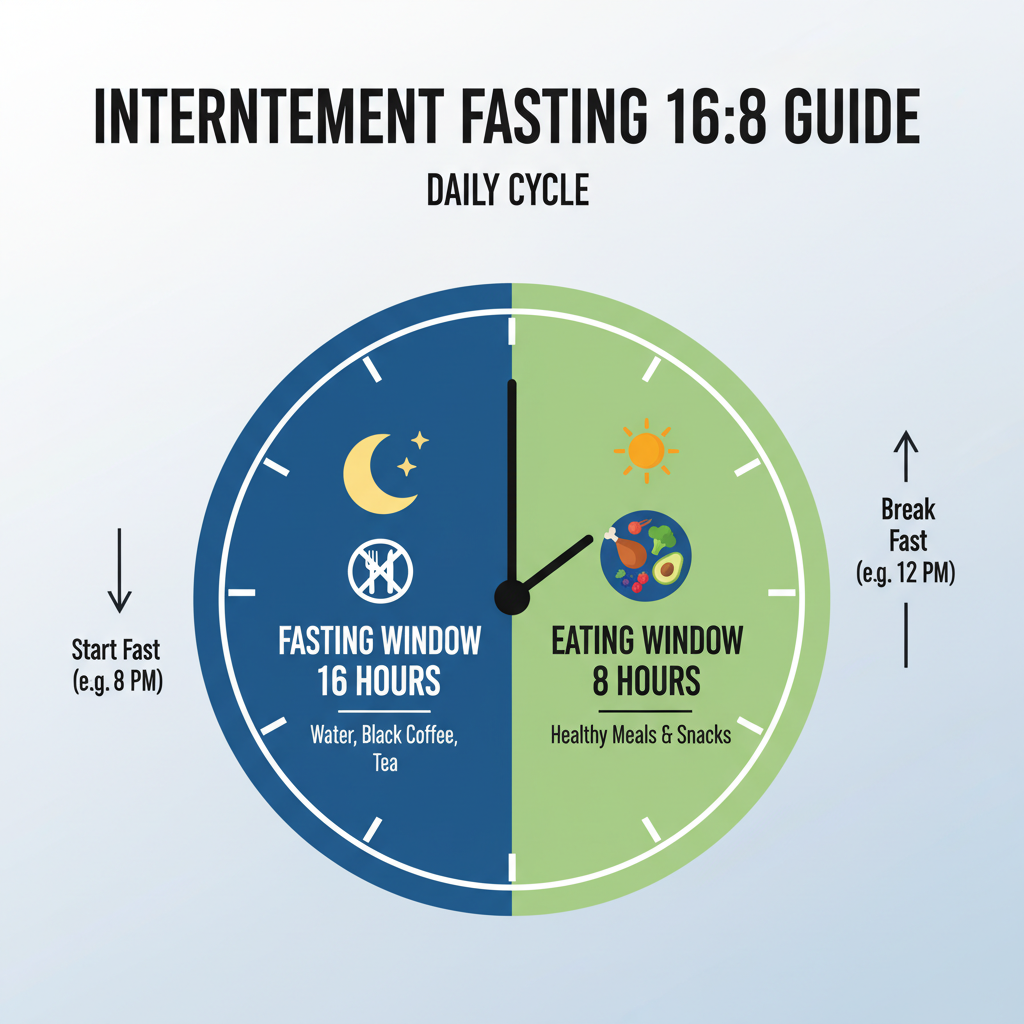
Creating a Practical Intermittent Fasting Routine
To sustain intermittent fasting, it’s important to design a routine that fits your lifestyle. Here’s a step-by-step guide to help office workers easily adopt the 16:8 method.
1. Setting Your Fasting Window
> If you’re new to fasting, start with a 14-hour window and gradually increase it. Jumping straight to 16 hours may cause unnecessary stress.
2. Planning Your Eating Window
> Overeating can burden digestion and increase fatigue, so eat slowly and in small portions to develop mindful eating habits.
3. Simple Meal Suggestions
Body and Mind Connection: The Impact of Intermittent Fasting
Intermittent fasting is more than just dietary control—it’s also effective for restoring balance between body and mind. Let’s look at its positive effects from the perspective of “body-mind connection,” a concept emphasized in meditation and yoga.
Physical Effects
Mental Effects
> Scientific evidence: The paper The Science of Intermittent Fasting and Weight Management reports that intermittent fasting can improve metabolic syndrome and mental health.

Tips for Successful Intermittent Fasting
Here are some practical strategies to overcome common challenges during intermittent fasting.
1. Stay Hydrated During Fasting
2. Smart Snack Choices
3. Navigating Social Situations
Building Sustainable Healthy Habits
Intermittent fasting alone isn’t enough. For a complete wellness lifestyle, combine it with the following habits for even greater results.
1. Incorporate Regular Exercise
2. Prioritize Quality Sleep
3. Practice Digital Detox
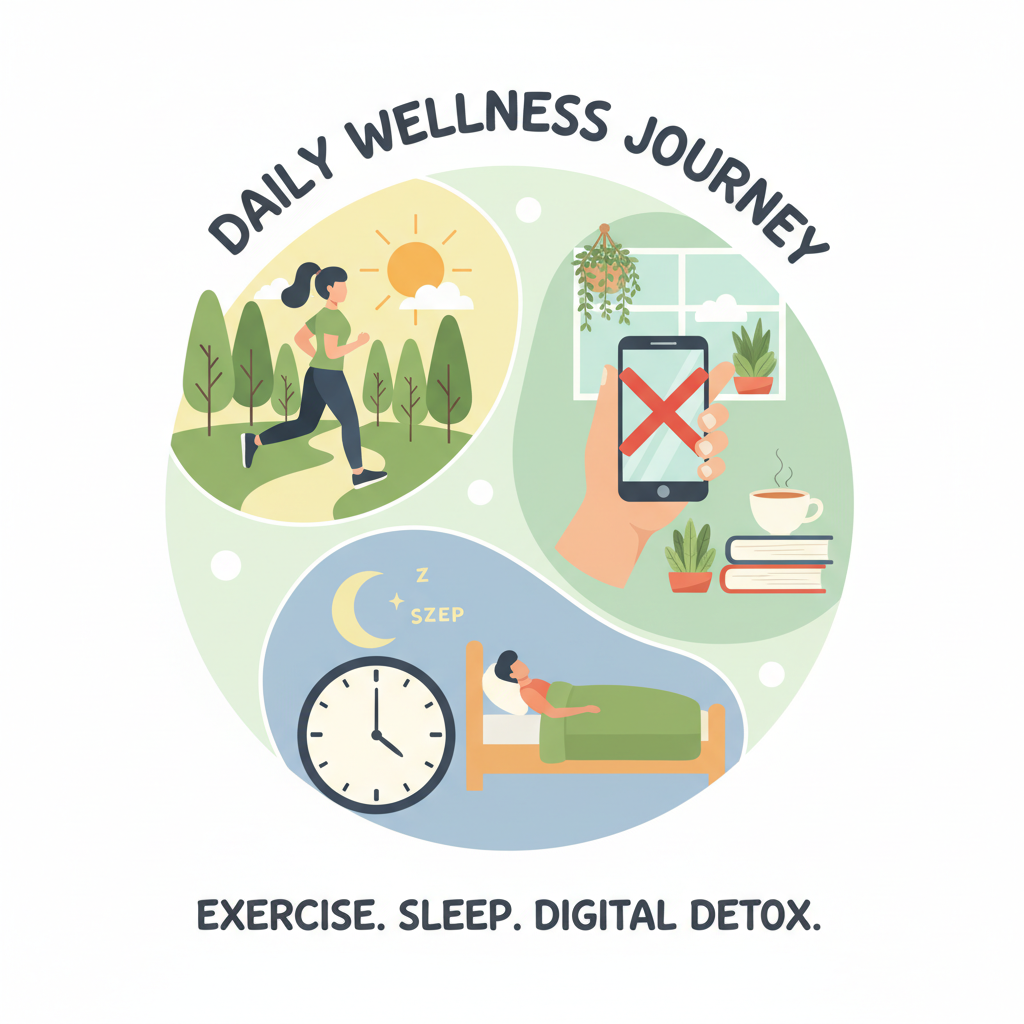
Conclusion & Long-Term Sustainability
The 16:8 intermittent fasting method is a powerful health routine that can benefit not only your physical health and weight but also your mental well-being. However, to see real results, consistency and personal adjustments are key.
Track Your Early Progress
What to Expect After 12 Weeks
The Importance of Self-Monitoring
Combining intermittent fasting with wellness activities such as meditation, yoga, or Pilates can help you achieve a more balanced and fulfilling life.
For more in-depth information and personalized advice, subscribe to our newsletter for the latest wellness updates.
The Science of Intermittent Fasting and Weight Management
The Effects of Intermittent Fasting on Mental Health

By consistently practicing practical health routines that care for both your body and mind through intermittent fasting, you can achieve a truly holistic wellness lifestyle.
Services by Botonglee