Introduction to Chakra Meditation: Understanding and Using the 7 Energy Centers
In an era where meditation and mindfulness
help manage stress and find inner peace,
chakra meditation is gaining attention
as an effective way to balance energy.
Chakras are the seven energy centers flowing inside our body,
each deeply affecting physical and mental health.
In this article, we will cover
beginner-friendly chakra meditation practices,
scientific evidence,
and insights from the K-meditation perspective.
Basic Understanding of Chakras
1. Definition and History of Chakras
Chakra means 'wheel' or 'circle' in Sanskrit
and is a concept originating from traditional Indian yoga and Ayurveda.
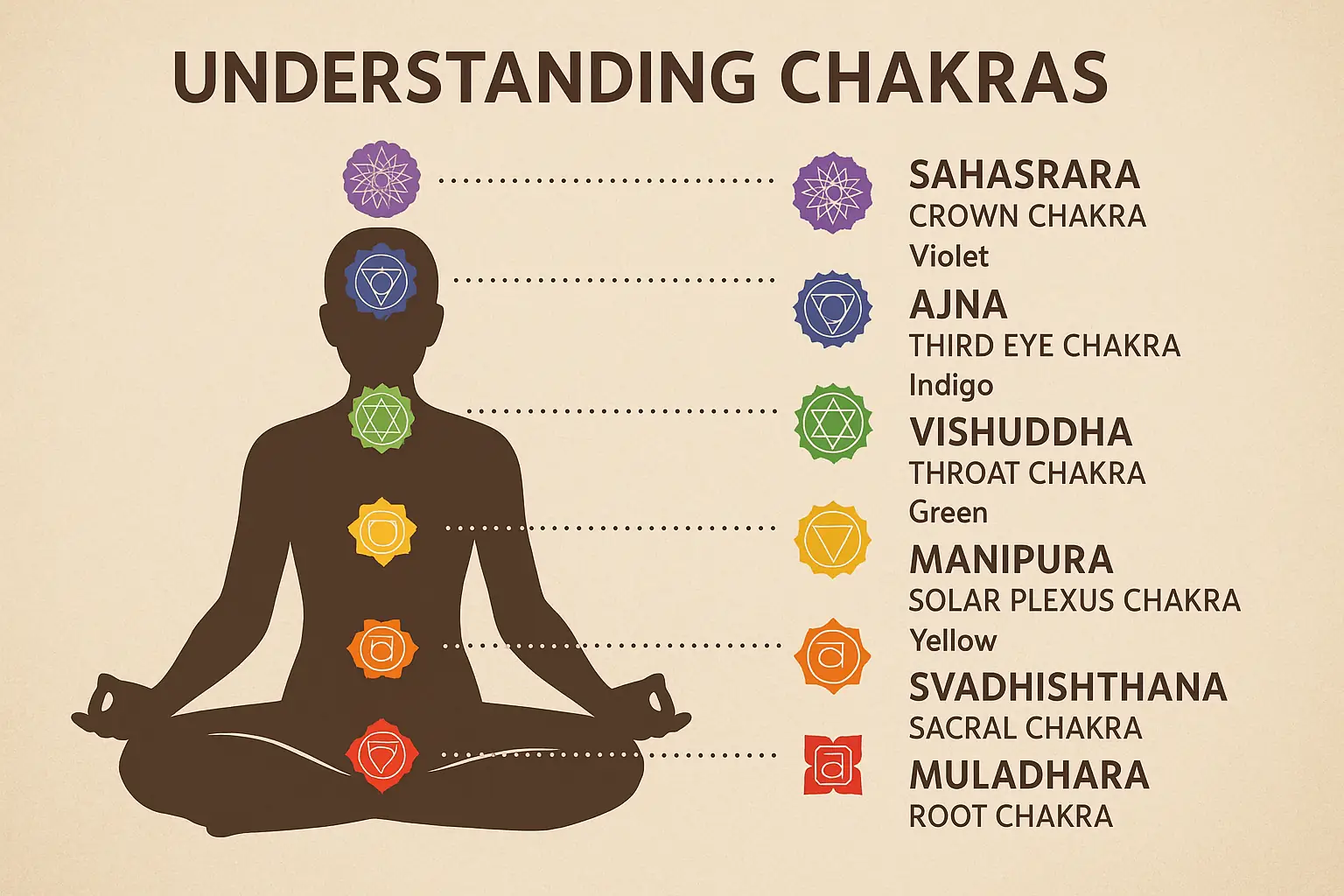
The seven main chakras are aligned along the spine,
each linked to specific emotions and bodily functions.
2. Brief Explanation of the 7 Chakras
3. Why Energy Flow Matters
Imbalance in chakras can cause
physical and mental disharmony.
For example, a blocked root chakra
can raise anxiety and stress easily,
while a closed heart chakra
may cause difficulties in relationships.
The core purpose of chakra meditation
is to facilitate smooth energy flow.
Step-by-Step Chakra Meditation Practice
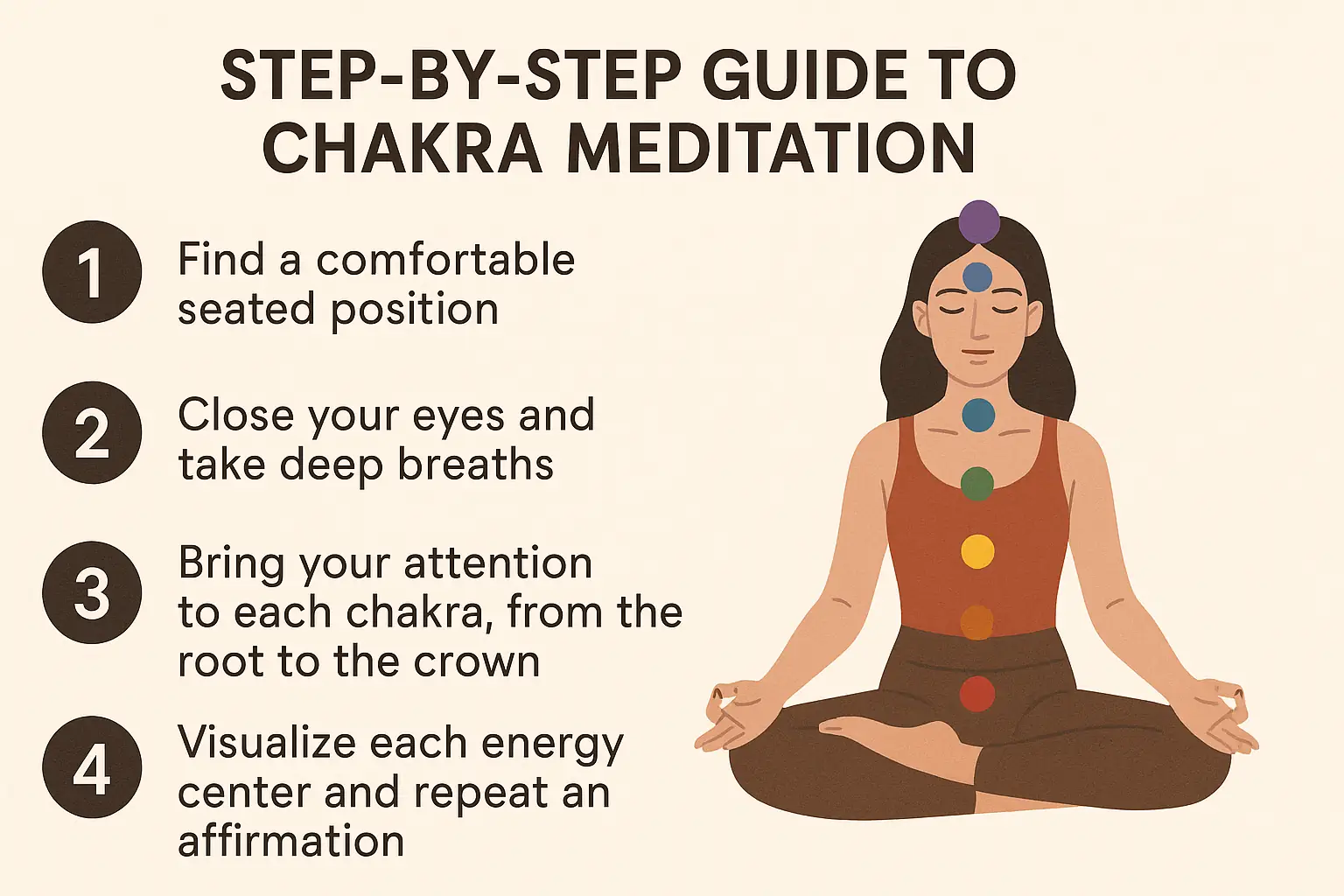
1. Preparation: Find a Quiet Space
Before starting meditation,
prepare a quiet space free from distractions.
Sit or lie down comfortably
and release body tension.
2. Breathing Techniques and Visualization for Each Chakra
Focus on breathing and visualization for 3 to 5 minutes each
and experience energy flowing through each chakra.
3. Applying Chakra Meditation in Daily Life
Even practicing chakra-specific breathing and visualization
for 3 to 5 minutes daily
can help relieve tension and improve concentration.
Combining it with simple techniques like
3-minute grounding before work
allows you to start the day more stably.
Scientific Evidence: Psychological Benefits of Chakra Meditation
1. Effects of Meditation on Psychological Stability
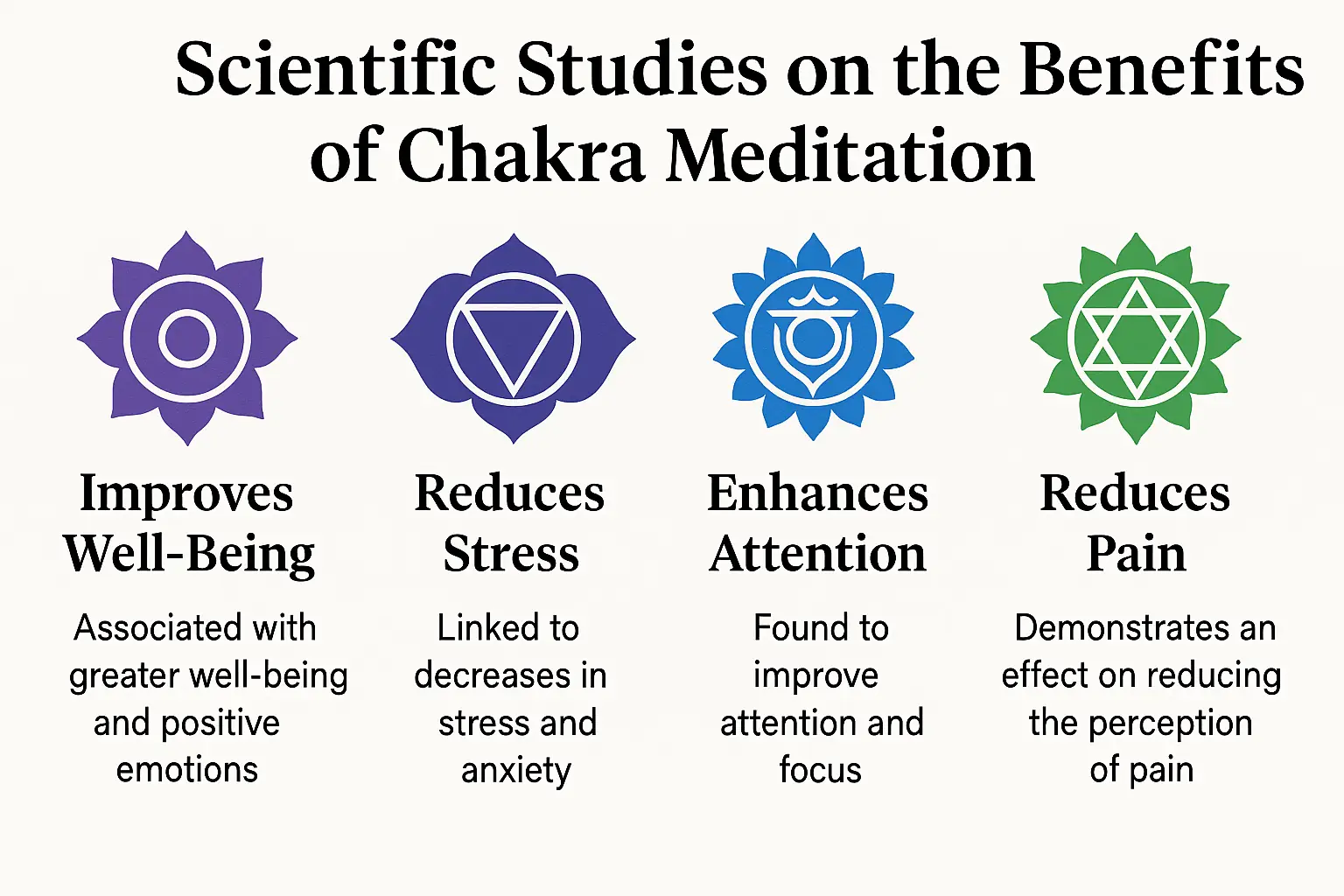
According to a study by the U.S. National Institutes of Health (NIH),
regular meditation lowers cortisol levels,
the stress hormone,
and improves emotional regulation.
Chakra meditation similarly reports effects
of balancing body and mind energy.
2. Relationship Between Chakras and Physical Health
Since chakras are energy centers in the body,
some studies link each chakra
with the health of the corresponding body area.
For instance, activating the heart chakra
is reported to positively affect cardiovascular health.
3. Personal Experience Case
Since introducing chakra meditation into my daily routine,
my stress has noticeably decreased,
and my focus and emotional stability
have greatly improved.
Especially when meditating on the solar plexus chakra,
my confidence increased,
improving work efficiency.
Chakra Meditation from the K-Meditation Perspective
1. Basic Concepts of K-Meditation
Traditional Korean meditation
focuses on mindfulness and breathing techniques,
forming a solid foundation
compatible with chakra meditation.
2. Connection Between Korean Traditional Meditation and Chakras
For example, 'danjeon breathing' resembles
activating the lower chakra (root chakra),
stabilizing the energy center.
Korean Seon meditation focuses on recognizing
and regulating inner energy flow,
aligning with the goal of chakra meditation.
3. Application of K-Meditation in Modern Society
Busy modern people can maximize chakra meditation's effects
by practicing K-meditation's concise and practical
breathing and mindfulness exercises.
You may also find it helpful to refer to
a practical K-meditation checklist for living fully
in each moment.
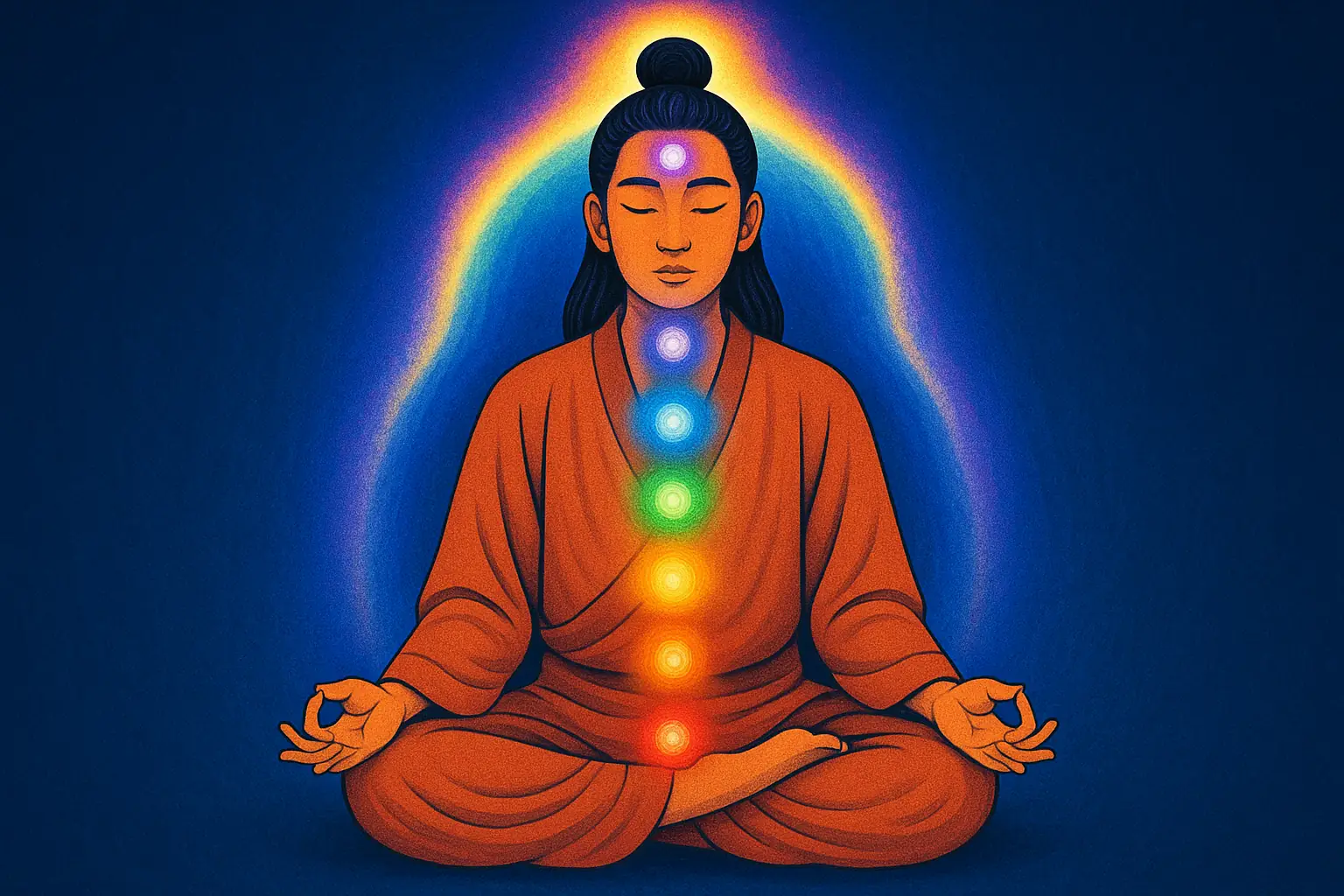
Find your inner energy balance through chakra meditation
and experience peace of mind.
If you want to dive deeper into meditation and mindfulness,
subscribe to the newsletter
to receive regular practice tips
and the latest research updates.
References and Further Reading
Services by Botonglee