Investing in AI Stocks: 5 Hidden Beneficiaries Beyond Nvidia
The explosive growth of the AI industry has recently captured the attention of individual investors worldwide. While Nvidia has become the poster child for AI stocks by leading the GPU market, the broader AI ecosystem offers many other compelling investment opportunities. In this article, we'll introduce five lesser-known beneficiaries in the AI sector beyond Nvidia and outline a hybrid investment approach that combines value investing, trend-following, and asset allocation strategies for AI-related stocks.
Focusing on key concepts such as "investment insights," "stock investing," "value investing," and "portfolio strategy," we'll analyze how the AI industry and the stock market interact, providing individual investors with actionable guidance for long-term investing and risk management.
Recent Trends in the AI Industry
The AI industry is currently experiencing a phase of explosive growth. The global AI market is projected to grow at an annual rate of over 30% through 2025. While Nvidia continues to stand out, a wide range of companies are making their mark in the AI space. AI technology has moved beyond the research phase and is now embedded in real-world business models, including cloud computing, data analytics, machine learning, and natural language processing, making the sector increasingly attractive for investors.
In addition to Nvidia, companies like AMD, Microsoft, and Google are expanding their AI capabilities. AMD is leveraging its high-performance GPUs to enter the AI solutions market, while Microsoft is focusing its AI strengths on the Azure cloud platform to attract enterprise clients. Google is integrating AI into its cloud and software offerings, building on its leadership in AI research.
As the AI industry grows, the competitive landscape and business domains of these companies are evolving rapidly. Therefore, investing in AI stocks should go beyond simply targeting large-cap names; it's crucial to consider growth potential, intrinsic value, and technological competitiveness.

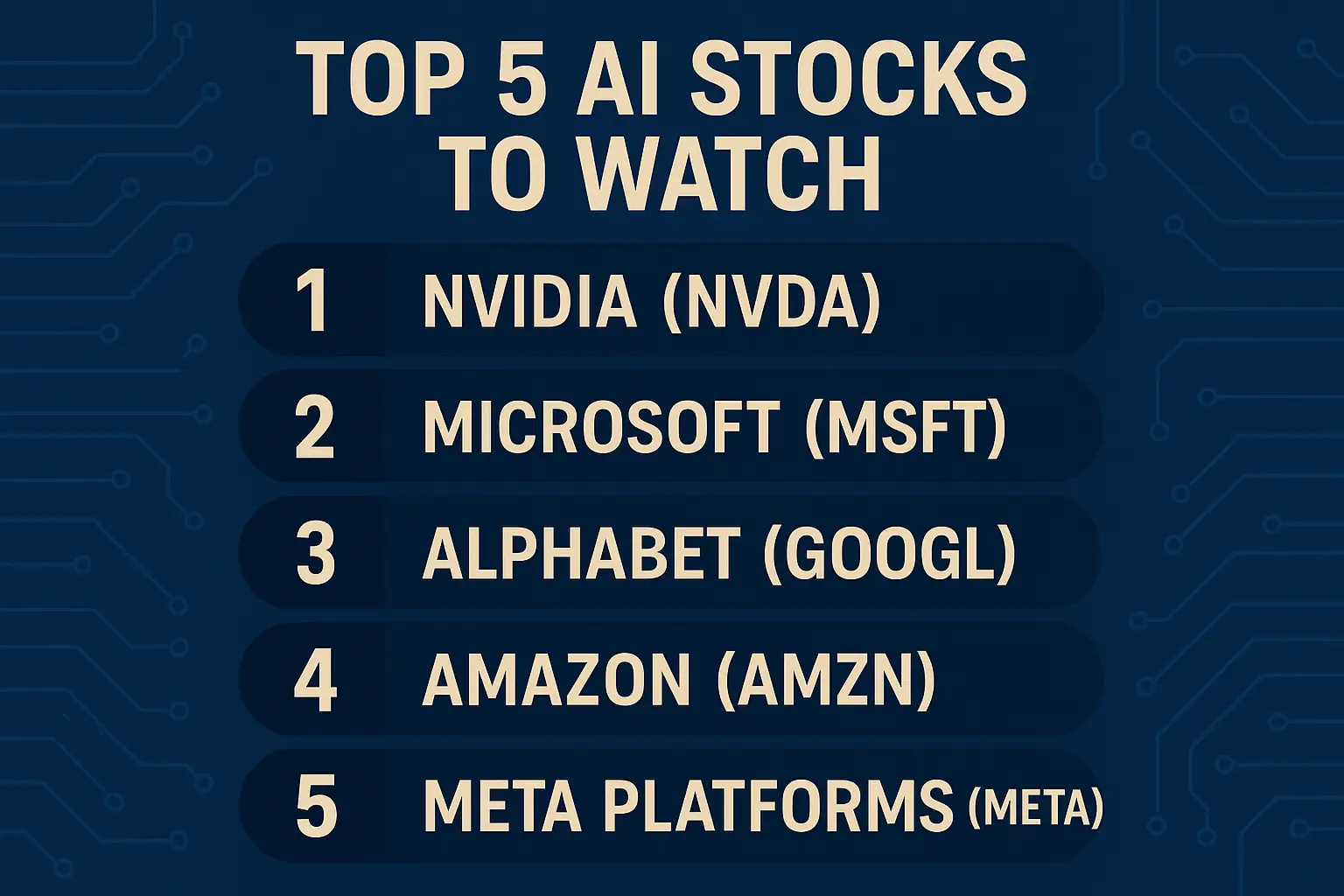
5 Noteworthy AI Stocks Beyond Nvidia
Let’s take a closer look at five hidden gems in the AI sector that offer strong investment potential beyond Nvidia.
1. AMD (Advanced Micro Devices)
AMD is strengthening its position in the AI and high-performance computing markets by enhancing its GPU technology. The company is focusing on developing GPUs and AI accelerators for data centers, with expectations that AI chip sales will account for over 40% of total revenue by 2025. Based on the PEG (Price/Earnings to Growth) ratio, AMD remains an attractive investment.
2. Microsoft
Microsoft is rapidly expanding in the cloud-based AI services market through its Azure AI platform. Its partnership with OpenAI has allowed it to integrate tools like ChatGPT across its business lines, positioning Microsoft to benefit from the broader expansion of the AI ecosystem over the long term.
3. Google (Alphabet)
Google is a leader in AI research and is leveraging its proprietary TPU (Tensor Processing Unit) to enhance its cloud AI services. Revenue from AI-driven business on Google Cloud Platform (GCP) is expected to more than double by 2025. Google's diversified revenue streams—from AI-powered advertising and search to data analytics—are key strengths.
4. Palantir Technologies
Palantir offers customized data solutions that combine AI and big data analytics, increasing AI adoption across both public and private sectors. The company has shown strong growth momentum in recent earnings reports, making it attractive for momentum investors. However, given its volatility, strict risk management is essential.
5. Oracle
Oracle is reshaping the enterprise software market with next-generation database services that integrate AI and machine learning. As more businesses transition to the cloud, demand for AI analytics tools is rising, supporting Oracle’s steady growth. Its undervalued valuation and stable cash flow further enhance its investment appeal.
Principles and Strategies for Investing in AI Stocks
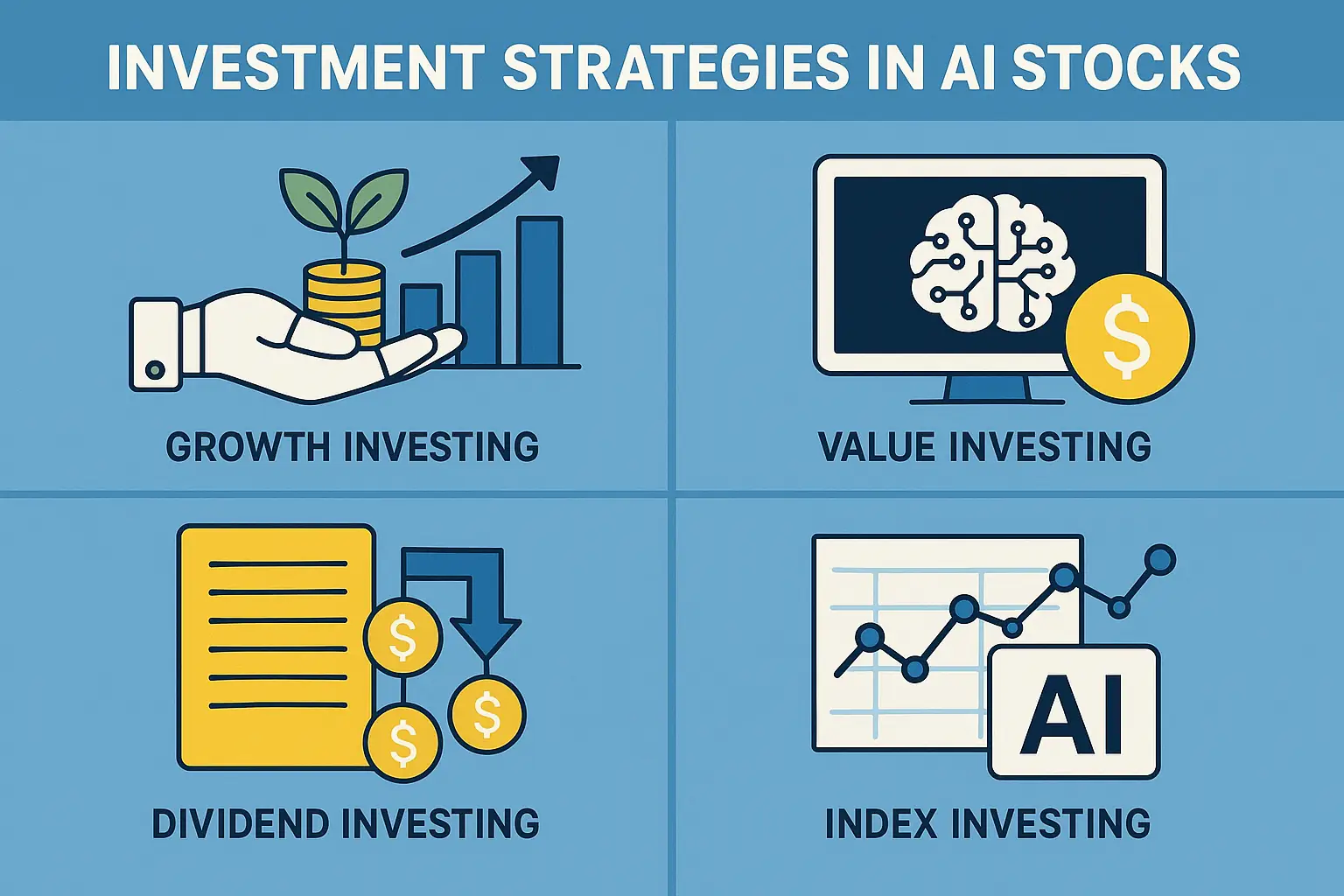
Here are some core principles and strategies to consider when applying a hybrid investment philosophy to AI stocks.
Value Investing Perspective
While AI companies are growing rapidly, it’s important to buy at a reasonable price relative to intrinsic value. Use the PEG ratio to avoid stocks that are excessively priced relative to their growth. For early-stage AI startups or highly volatile stocks, maintaining a margin of safety is crucial.
Trend-Following Strategy
Leverage the upward momentum in the AI sector by adding trending stocks to your portfolio, but be prepared to respond quickly to short-term volatility. For example, with momentum stocks like Palantir, it’s wise to cut losses promptly if technical support levels are breached. When market uncertainty is high, staying on the sidelines can also be a valid strategy.
Asset Allocation and Risk Diversification
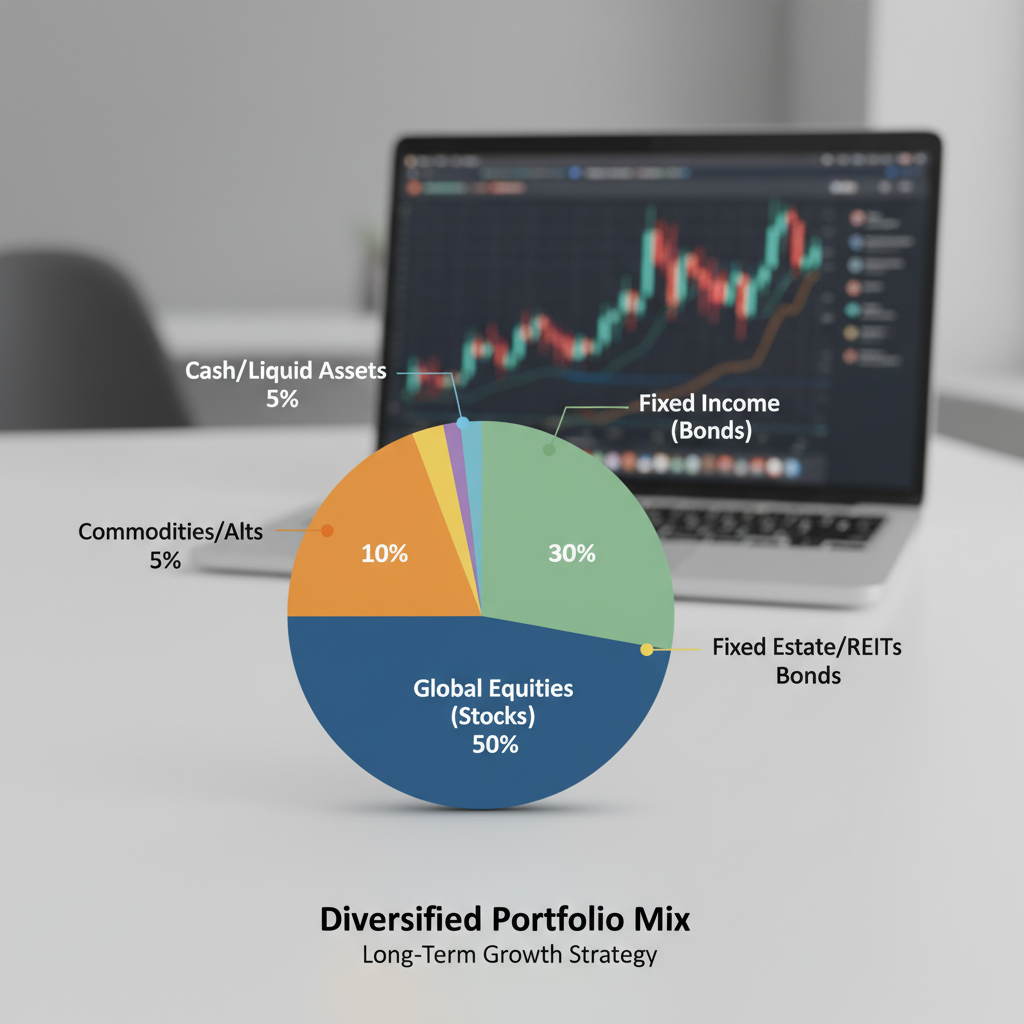
Much like Ray Dalio’s All Weather Portfolio, it’s important to keep AI stocks as only a portion of your overall portfolio and balance them with other asset classes. Although the AI industry has strong growth prospects, it is also vulnerable to technological shifts and regulatory risks. Diversifying with bonds, gold, and real estate can help ensure more stable long-term returns.
> In addition to tracking AI industry growth, investors should monitor overall market cycles and economic conditions. For example, this analysis of economic recession signals and yield curve inversion offers valuable insights for investment decisions.
My Personal Portfolio Strategy
I maintain a 20–25% allocation to AI stocks within my portfolio, approaching them from a long-term perspective. The key is to balance value investing principles with trend-following techniques to manage risk within the AI theme.
This approach aligns with Peter Lynch’s philosophy of focusing on what you know and interpreting everyday technological changes through an investment lens.
> For more details on asset allocation and risk management, see AI Era Semiconductor Investment Insights.
Conclusion and Actionable Steps
AI stocks offer both high growth potential and significant volatility. Investors should build a balanced portfolio by combining value investing, trend-following, and asset allocation principles, and develop actionable investment plans through ongoing market monitoring and information updates.
Action Guide
By following these principles, you can build a robust investment strategy that captures hidden opportunities in the AI sector, rather than relying solely on Nvidia.
If you want to dive deeper into AI stocks, consider subscribing to our newsletter!
Reference Links
The AI industry is set to be one of the most prominent investment themes in the stock market over the next decade. Rather than fixating on short-term volatility, it’s essential to balance intrinsic value with growth potential and maintain a long-term perspective. I hope this article serves as a helpful guide on your investment journey.
Services by Botonglee