Investing in AI Stocks: Hidden Beneficiaries Beyond NVIDIA — Investment Insights
The explosive growth of the artificial intelligence (AI) industry has recently drawn the attention of stock investors worldwide, with a particular focus on AI-related stocks. While NVIDIA is at the forefront of the AI semiconductor market and often steals the spotlight, there are numerous lesser-known companies poised to benefit from this trend. In this article, I will analyze the latest market trends in AI-related stocks and the semiconductor industry from the perspective of an individual investor, and propose practical investment strategies based on the principles of value investing, trend following, and asset allocation.
This post provides concrete market analysis and actionable tips for investing in stocks and building a portfolio in the era of AI, making it a valuable resource for those interested in long-term investing and sound investment principles.
Recent Market Trends: The Current State of AI and the Semiconductor Industry
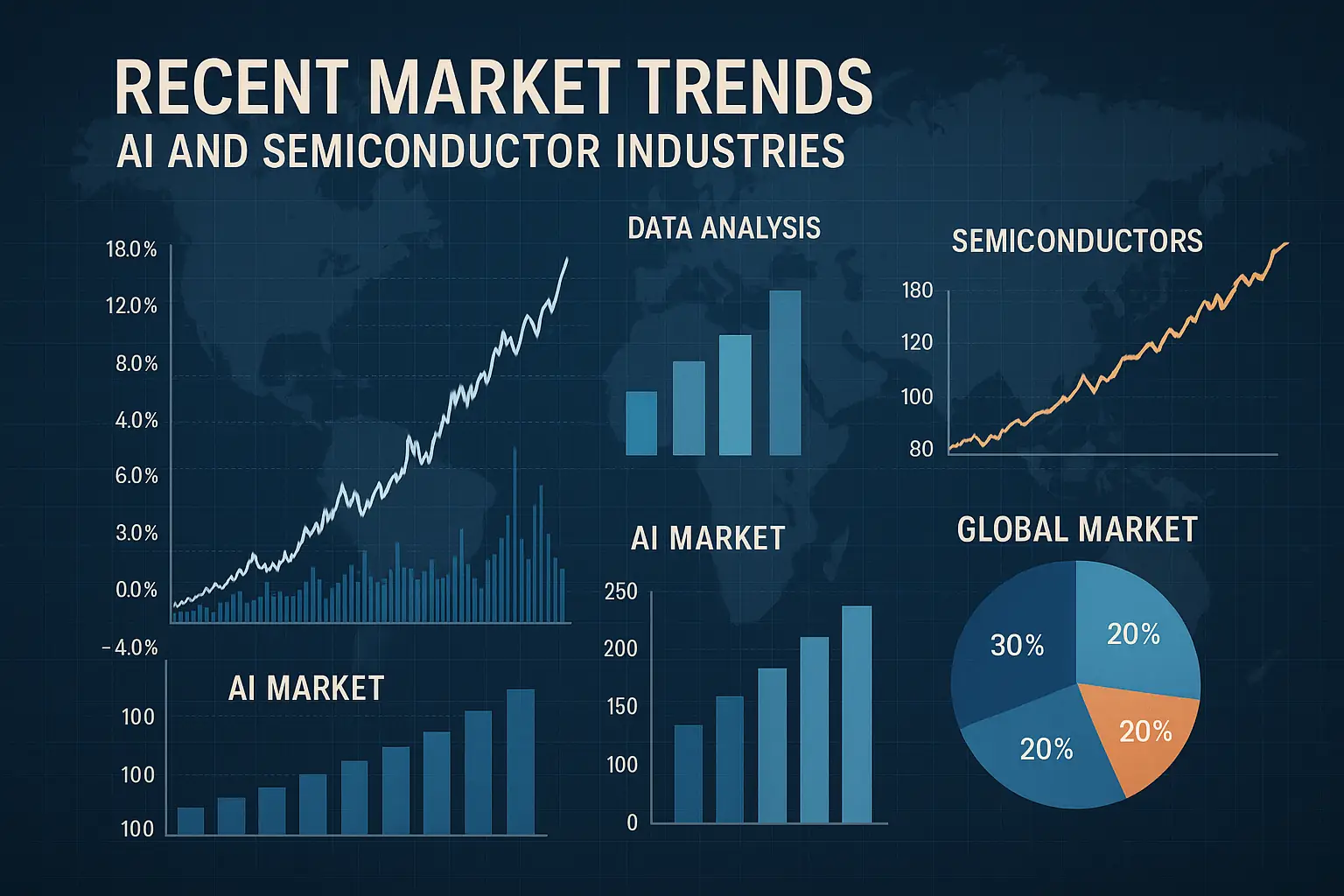
Both domestic (Korean) and global markets have recently experienced significant volatility, especially among AI and semiconductor-related stocks. In Korea, the KOSPI index plunged over 6% to 7,661.10, signaling a short-term correction, while the Korean won weakened past 1,550 KRW per USD, reflecting ongoing dollar strength. In contrast, the US market continues to show strong AI-driven growth momentum, with NVIDIA shares surging on news of its inclusion in the S&P 500.
The Korean Stock Market and Semiconductor Industry
Korea’s semiconductor industry plays a crucial role in the global supply chain. However, it now faces the challenge of low growth, with potential growth rates dipping below 1.5%. Despite a boom in semiconductors, both the KOSPI and KOSDAQ indices have declined, largely due to macroeconomic risks such as interest rate hikes and currency fluctuations. Even though semiconductor export indicators remain solid (as of Q1 2026), global funds have been taking profits, dampening short-term investor sentiment.
Strength of US AI-Related Companies
In the US, companies like NVIDIA, Marvell Technology, and Broadcom—leaders in AI semiconductors and infrastructure—are demonstrating robust momentum. Marvell’s share price soared on news of its S&P 500 inclusion, while Broadcom experienced a brief pullback after earnings but maintains strong long-term growth prospects. The rising demand for AI training and data centers is opening new opportunities for the semiconductor sector.
The Impact of Interest Rates and Currency Movements
With the US Federal Reserve maintaining its rate-hiking stance, investors need to be more vigilant about securing a margin of safety. The weak Korean won increases import costs and pressures corporate profit margins, but it can also enhance export competitiveness. In this complex macroeconomic environment, strategic asset allocation and risk management have become even more critical.
> For a more detailed market analysis and specific insights into investing in the semiconductor industry during the AI era, see “AI 시대의 반도체 산업 투자: 성공적인 포트폴리오 구축을 위한 인사이트”.
Sectors to Watch: The Convergence of AI and Semiconductors, and Hidden Opportunities
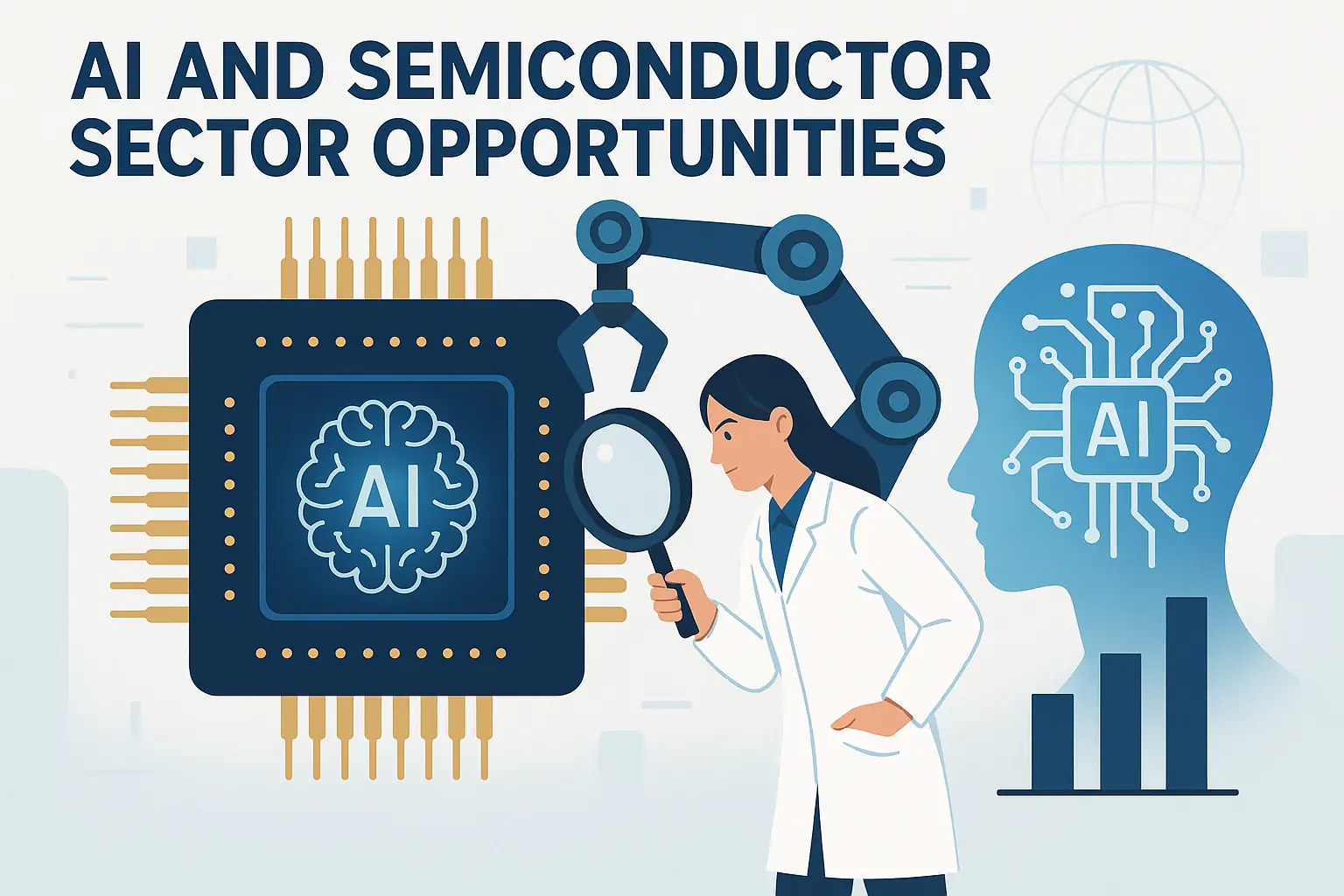
Among all industries, semiconductors are arguably the greatest beneficiaries of AI’s rapid advancement. As demand for high-performance chips required for AI training and inference skyrockets, a variety of semiconductor companies—beyond just NVIDIA—are gaining growth momentum.
Rising Semiconductor Demand for AI Training and Data Processing
As AI models grow larger and more complex, the need for specialized chips such as GPUs, ASICs, and FPGAs increases. Companies operating large-scale data centers must continually expand their high-performance computing resources, which also benefits suppliers of semiconductor materials and equipment. Korean semiconductor firms, known for their strength in memory chips, are gradually increasing their market share in system semiconductors for AI processors as well.
Companies with Growth Potential Beyond NVIDIA
Collaborations with AI Startups
Major semiconductor companies are accelerating the adoption of new technologies and exploring new markets through partnerships with AI startups. For individual investors, including companies with such collaborative structures in their portfolios can support long-term growth.
Implications from an Investment Principles Perspective: Balancing Value and Momentum
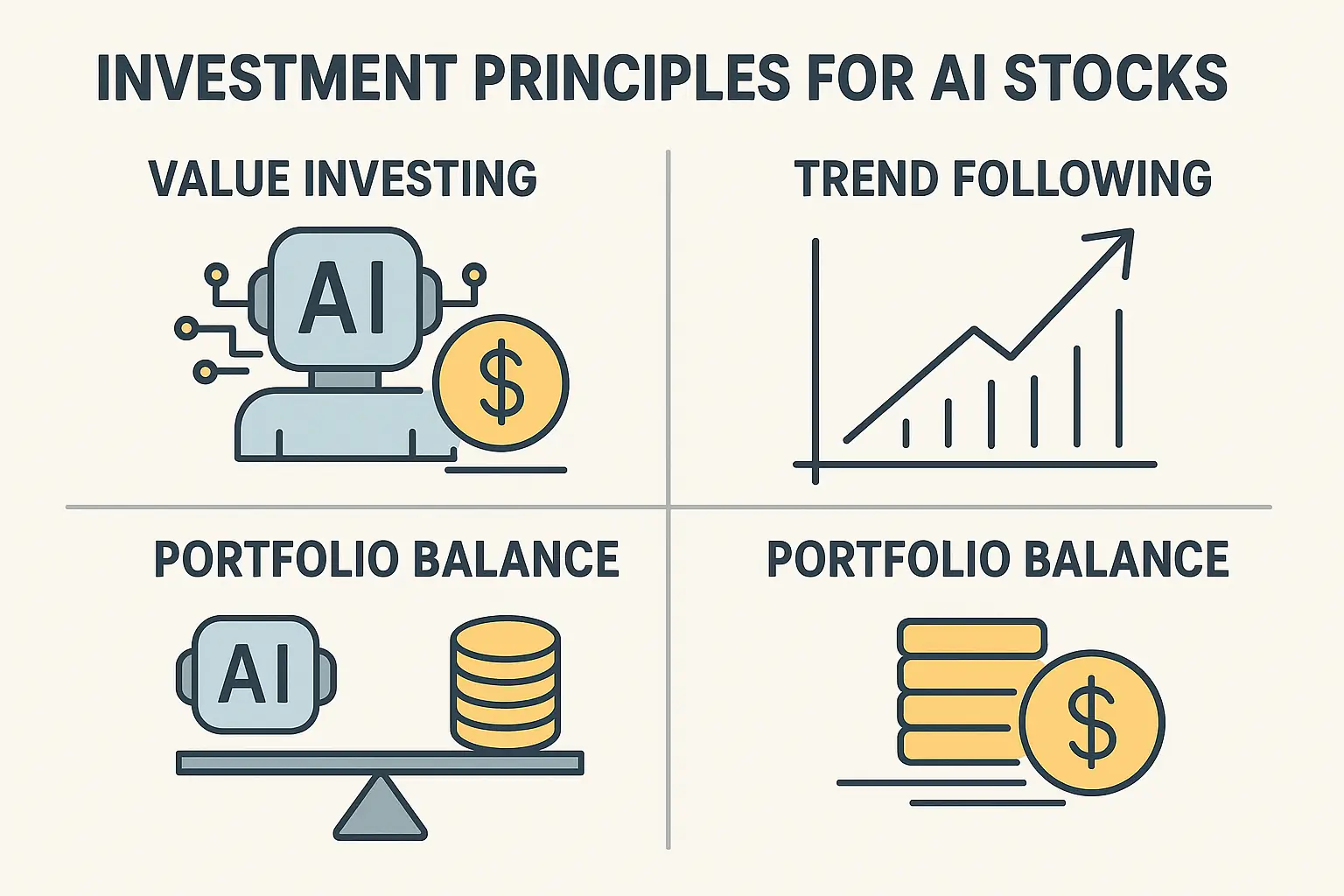
AI-related stocks are characterized by both short-term momentum and long-term growth potential, making a disciplined, principle-based approach essential.
Finding Undervalued Stocks to Secure a Margin of Safety
From a value investing perspective, it’s important to identify AI stocks that are undervalued relative to their intrinsic worth. Even if share prices dip in the short term, companies supplying semiconductor equipment or AI infrastructure with strong fundamentals may present attractive opportunities. Applying Benjamin Graham’s ‘margin of safety’ principle, investors should carefully analyze company fundamentals and financial health with a long-term view.
Momentum Investing: Quick Exits and Waiting on the Sidelines
Using a Livermore-style trend-following strategy, it’s wise to stay on the sidelines or cut losses quickly when a clear uptrend is absent. When AI stocks surge on short-term catalysts, following the momentum can be profitable, but it’s equally important to exit decisively if the trend reverses.
Adapting to Market Changes Driven by AI Technology
Peter Lynch’s philosophy of ‘investing in what you know’ remains relevant. Investors who directly experience AI technology and understand its growth potential are better positioned to make timely and accurate decisions. Actively using the PEG (Price/Earnings to Growth) ratio to assess growth within reasonable valuations is also recommended.
Asset Allocation and Risk Management
Following Ray Dalio’s asset allocation principles, it’s crucial to adjust the proportion of AI stocks within your overall portfolio. Given the high growth and volatility of the AI sector, referencing the All Weather Portfolio strategy—balancing with bonds, cash, and other industries—can help manage risk.
> For more on asset allocation strategies, see Ray Dalio’s All Weather Portfolio Strategy for Navigating Market Changes.
Personal Portfolio Strategy: Diversification and Risk Management Beyond NVIDIA
In my own portfolio, I maintain a reasonable allocation to NVIDIA while focusing on the following stocks and strategies:
Noteworthy Stocks Beyond NVIDIA
Asset Allocation and Risk Management
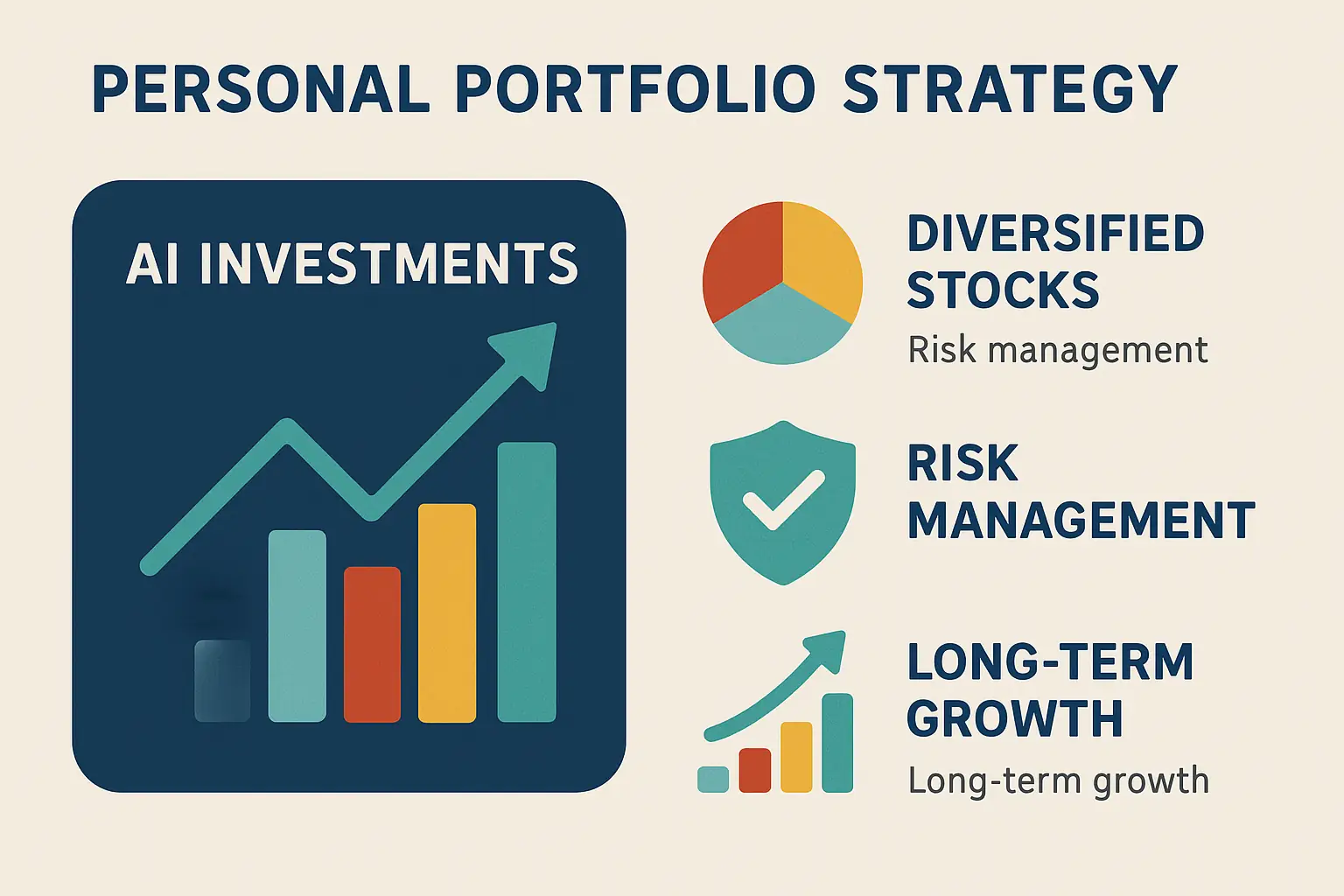
I allocate 15–20% of my total investment capital to AI and semiconductor-related stocks, while over 30% is reserved for bonds and safe assets. In the highly volatile AI sector, I avoid leverage and conduct quarterly portfolio reviews and rebalancing.
Diversification for Long-Term Investment
Since AI-related technologies are a long-term growth driver, I aim to hold these positions for the long haul, undeterred by short-term price swings. A hybrid strategy—adjusting allocations flexibly in response to short-term momentum—has proven effective.
Conclusion and Further Resources
While NVIDIA remains a core holding in the AI investment landscape, there are numerous other stocks and sectors with significant growth potential. By applying a balanced mix of value investing, trend following, and asset allocation principles, investors can build portfolios that withstand short-term volatility and pursue long-term returns.
For more detailed industry analysis and investment strategies, see: AI 시대의 반도체 산업 투자: 성공적인 포트폴리오 구축을 위한 인사이트.
If you’d like more investment insights or personalized advice, please consider subscribing to the newsletter or requesting a consultation.
Services by Botonglee