Knowing Your Dosha Changes Your Wellness Routine — Ayurveda-Based Wellness by Body Type
Maintaining a healthy lifestyle starts with a personalized approach tailored to your body and mind. Ayurveda, the ancient system of medicine from India, classifies individuals into three main body-mind types called Doshas, focusing on achieving balance for both physical and mental well-being. Understanding your own Dosha and adopting morning routines, sleep habits, exercise, meditation, and diet that align with your constitution is the foundation for lasting healthy habits.
Ayurvedic routines based on Dosha types are deeply connected not only to physical health but also to emotional well-being. This approach goes beyond mere physical care, influencing your entire wellness lifestyle. In this article, we’ll introduce the concept of Doshas in Ayurveda and provide practical routines and tips for harmonizing your body and mind.
Understanding Ayurveda and the Doshas
What Is Ayurveda?
Ayurveda, meaning “the science of life,” is a holistic medical tradition that originated in India around 5,000 years ago. It takes an integrated view of physical, mental, and emotional health, offering personalized wellness strategies that resonate with modern approaches to well-being.
Types and Characteristics of Doshas
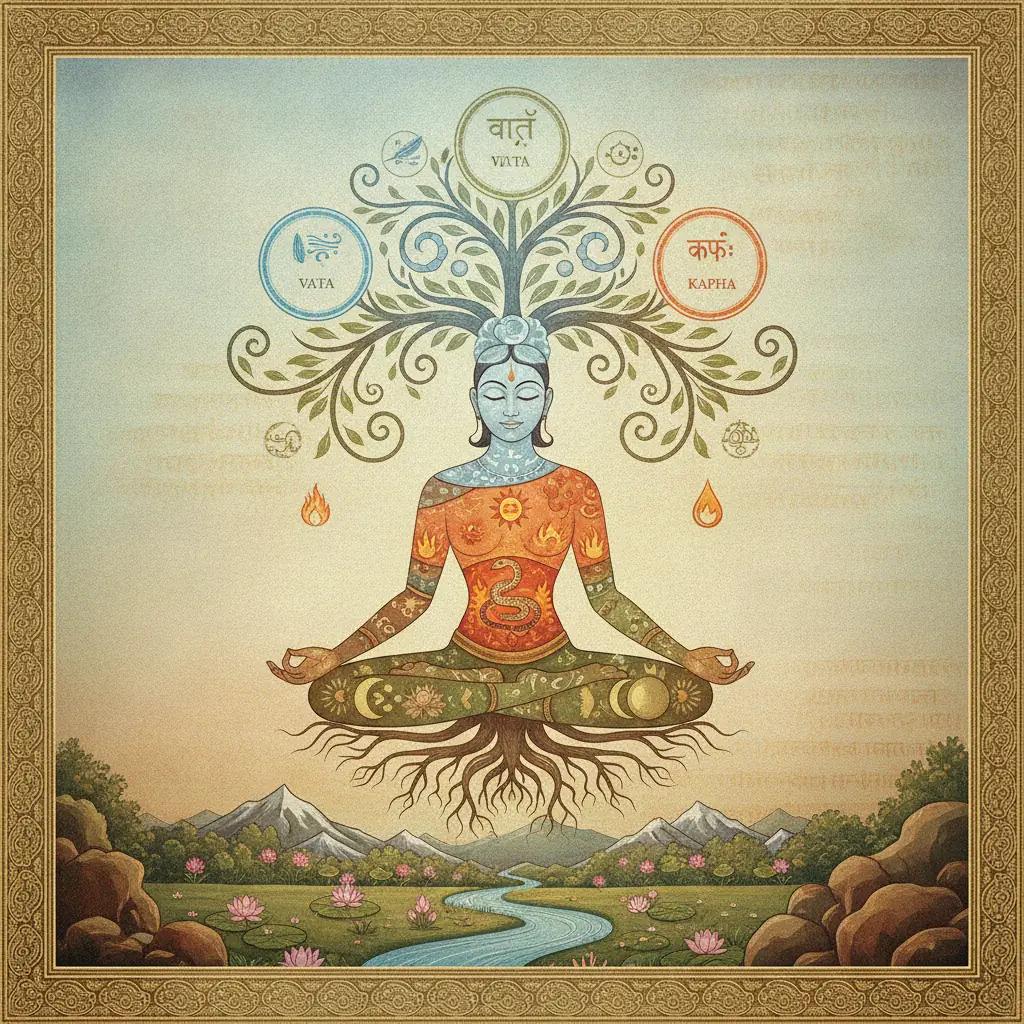
Ayurveda divides people into three Dosha types—Vata, Pitta, and Kapha—each representing a unique combination of energies:
How to Identify Your Dosha
For an accurate Dosha assessment, consulting an Ayurvedic practitioner is best. However, you can get a general idea by using self-assessment questionnaires, mobile apps, or online checklists that consider your sleep habits, body temperature, digestion, and personality traits.
Creating Wellness Routines for Each Dosha
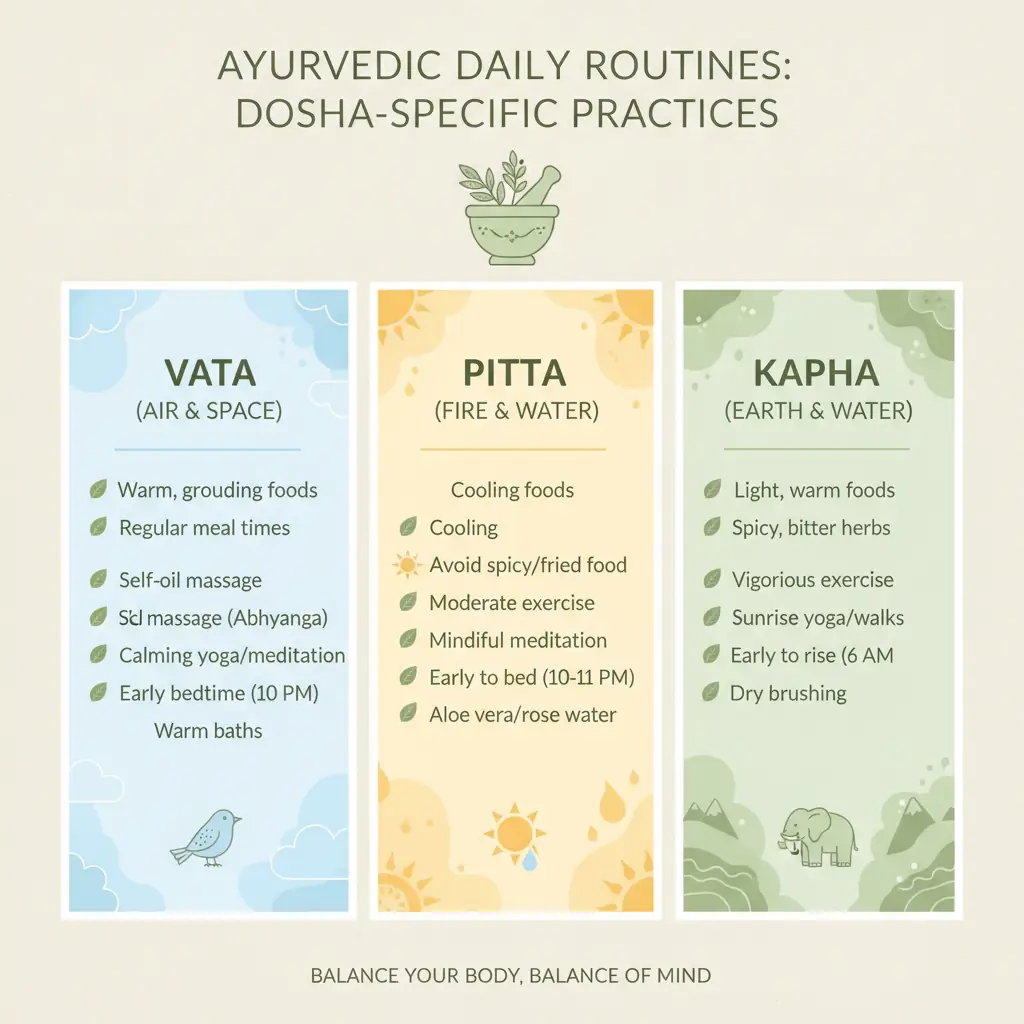
Tailoring your wellness routine to your Dosha helps maintain both physical and mental balance. Here are suggested morning routines, exercise, diet, and sleep tips for each Dosha type:
Routine for Vata Dosha
Routine for Pitta Dosha
Routine for Kapha Dosha
The Mind-Body Connection — Doshas and Emotions
How Doshas Relate to Emotions
Doshas are closely linked not only to physical traits but also to emotional tendencies. Vata types are more prone to anxiety and worry, Pitta types to anger and impatience, and Kapha types to sadness and lethargy.
Mental Wellness and Dosha Balance
Ayurveda places great importance on meditation and breathing techniques for emotional regulation. These practices help stabilize the nervous system and, according to research from Harvard Health Publishing, can balance the autonomic nervous system and reduce stress hormones.
The Importance of Meditation and Breathwork
Meditation and breathwork are effective for restoring emotional balance according to your Dosha. Vata types benefit from slow, deep abdominal breathing; Pitta types from calming visualization meditation; and Kapha types from invigorating movement meditation and deep breathing. Many practitioners report improved emotional regulation and focus through these tailored meditation techniques.

The Scientific Basis of Ayurveda
Ayurvedic principles are increasingly being validated by modern science.
Research: Dosha-Based Wellness and Health Outcomes
A clinical study published in 2025 found that Dosha-specific diet and lifestyle modifications significantly improved blood pressure, reduced stress, and enhanced sleep quality. Notably, a cooling diet and meditation program tailored for Pitta types helped decrease chronic inflammation. (Note: While this is a Korean example, similar trends are seen in global wellness research.)
Modern Applications of Ayurveda
Today, the wellness industry is actively incorporating Dosha assessments and routines for personalized health management. Wellness clinics in the US and elsewhere now offer tailored programs based on Dosha analysis.
The Importance of Personalized Wellness
Rather than following a one-size-fits-all approach, understanding your body and mind and designing a routine that fits you is key to sustainable healthy habits. This is the starting point for an integrated wellness lifestyle that balances both body and mind.

Practical Tips for Everyday Life
Here are some easy ways to incorporate Dosha-based routines into your daily life:
Morning Routine: Dosha-Specific Ways to Start Your Day
Tips for Healthy Sleep
Managing Mental Health Through Digital Detox
Excessive digital exposure can heighten anxiety in Vata types and irritability in Pitta types. Set aside time each day to step away from screens, take a walk in nature, or focus on breath meditation. This is highly effective for maintaining mental wellness.
To further support your wellness routine, consider adding probiotics to strengthen the link between gut health and overall well-being. For more details, see Complete Your Wellness Routine with Probiotics — The Gut Health Connection.

Timing and Guidance for Sustainable Wellness Routines
Suggested Practice Timings
When to Expect Results
Five Daily Habit Tips
> Note: If you experience severe anxiety, depression, or chronic pain, consult a professional along with Dosha assessment. Pregnant women and those with chronic conditions should seek personalized advice.
Understanding your Dosha and consistently practicing a routine that suits you is the first step toward a true wellness lifestyle. When your body and mind are in harmony, you’ll gain a new perspective on health. For more in-depth, personalized wellness information, consider subscribing to our newsletter or booking a consultation.
Also, be sure to check out Complete Your Wellness Routine with Probiotics — The Gut Health Connection to round out your integrated wellness routine with gut health.
Services by Botonglee