Lifestyle Habits for Hormonal Balance: How to Build a Healthy Routine
Hormones are vital chemical messengers that regulate a wide range of bodily functions, including metabolism, emotions, and sleep. In our fast-paced lives, irregular habits can easily disrupt hormonal balance, leading to issues like fatigue, poor concentration, and mood swings. If you're interested in maintaining a healthy routine, you likely already appreciate the importance of hormonal balance.
This article will guide you through practical ways to naturally regulate your hormones through daily habits. From morning routines to exercise, meditation, sleep management, and digital detox, you'll find actionable tips and routines you can start right away. With consistent practice, you can achieve a balanced body and mind and embark on a true wellness lifestyle.
Let's explore, step by step, what hormonal balance means, why it matters, how to improve your daily habits, specific healthy routines, the synergy of exercise and meditation, and why digital detox is essential.
Go to guideView RoutinesDiscover healthy routines hereThe Importance of Hormonal Balance
Hormones are produced by endocrine glands and travel through the bloodstream, orchestrating metabolism, immune function, reproduction, emotions, and more. For example, cortisol is released during stress, while melatonin is secreted during sleep to aid recovery.
When hormones become imbalanced, you may experience symptoms like low energy, weight changes, sleep disturbances, and mood swings, affecting not only your physical but also your mental health. For women, imbalances in estrogen and progesterone—often linked to the menstrual cycle—can result in emotional instability.
Maintaining hormonal balance is not just about managing symptoms; it's a fundamental key to overall well-being. The Endocrine Society in the US also emphasizes that regular routines and stress management are crucial for hormonal health.
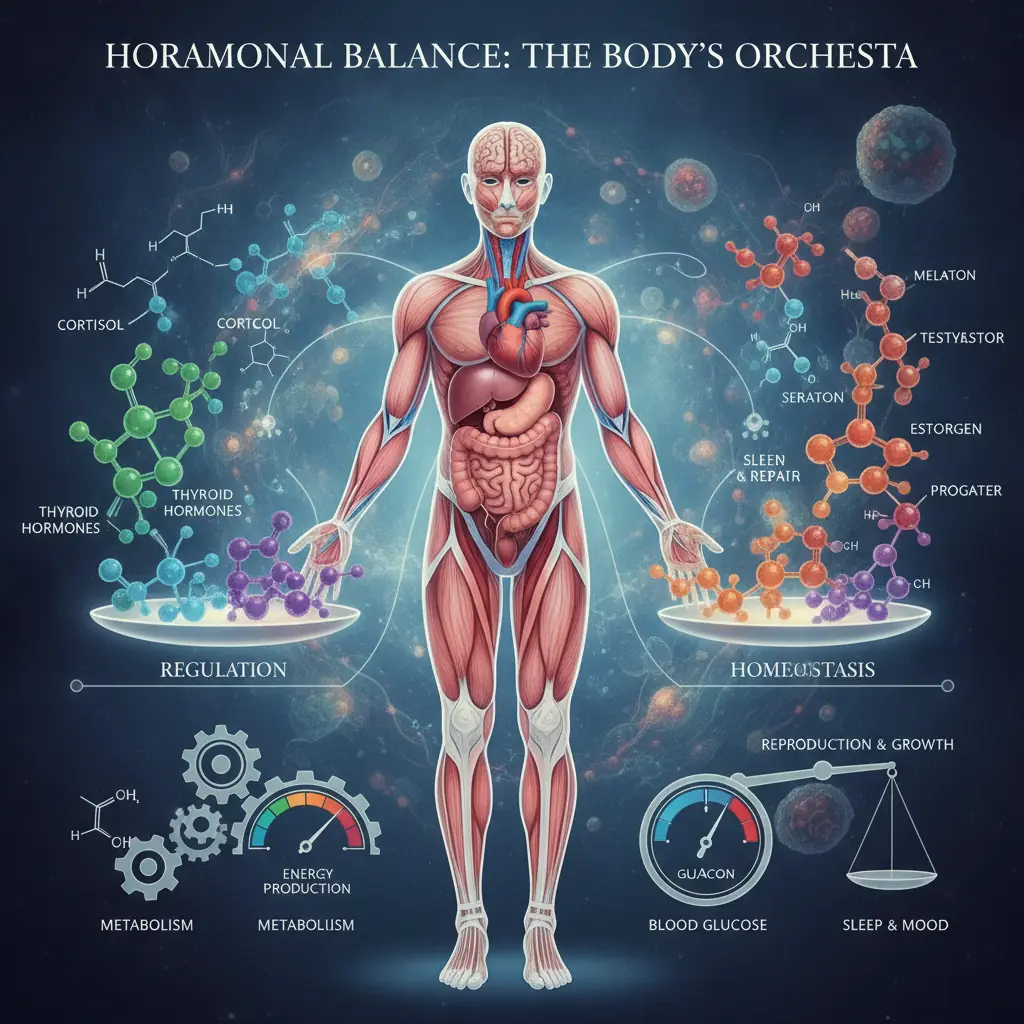
Regulating Hormones Through Lifestyle Habits
Hormones are closely linked to what you eat, how you move, how you sleep, and how you handle stress. By consciously adjusting your lifestyle, you can effectively manage hormonal balance.
Building a Healthy Diet
Consuming refined carbohydrates and sugars can increase insulin resistance and worsen hormonal imbalances. In contrast, a diet rich in protein, healthy fats, and fiber helps stabilize blood sugar and lower the stress hormone cortisol.
The Mediterranean diet, abundant in omega-3s, antioxidants, and plant-based nutrients, is particularly beneficial for hormonal health. Try to include a variety of foods like avocados, nuts, olive oil, fresh vegetables, and whole grains.
Build a Wellness Routine for a Healthy Life with the Mediterranean Diet is also a great resource to explore.
The Importance of Regular Exercise
Exercise does more than burn calories—it directly influences hormone secretion. Combining aerobic and strength training improves insulin sensitivity and boosts the release of growth hormone and testosterone, which rev up your metabolism.
Exercise also reduces cortisol and promotes the release of serotonin and dopamine, supporting your mental health.
Improving Sleep Quality
Sleep is when your body produces melatonin and growth hormone. Poor or insufficient sleep can disrupt hormonal balance. Improving your sleep environment—by keeping a consistent bedtime and wake time, limiting electronic device use, and maintaining a comfortable temperature—can make a big difference.
Check out 7 Science-Backed Ways to Improve Sleep Quality — Why Good Sleep Is the Best Medicine for more tips.

Sample Healthy Routines
To support hormonal balance, it's important to establish concrete routines in your daily life. Here are some practical routines for your mornings, workouts, and evenings.
Morning Routines
The Synergy of Exercise and Meditation
Combining exercise and meditation amplifies stress relief and maximizes the release of growth and happiness hormones.
> Tip: Try three minutes of diaphragmatic breathing before exercise to loosen your body and sharpen your focus.
Evening Routines and Sleep Quality

The Synergy of Exercise and Meditation
Practicing exercise and meditation together has a much more positive impact on hormonal balance.
How Exercise Affects Hormones
Exercise stimulates muscles, promoting the release of growth hormone and testosterone, and improves insulin sensitivity. It also triggers endorphin release, which boosts mood and relieves stress.
The Mental Health Benefits of Meditation
Meditation increases activity in the prefrontal cortex, helping regulate stress responses and lower cortisol levels. It reduces anxiety and depression, fostering a sense of calm and peace.
How to Combine Exercise and Meditation
This combination is clinically proven to benefit both body and mind, and with regular practice, can significantly enhance your overall health.

Why You Need a Digital Detox
Digital devices like smartphones, computers, and TVs are essential in modern life, but overuse can disrupt melatonin production and raise stress hormones, leading to hormonal imbalances.
The Impact of Digital Devices
Exposure to blue light suppresses melatonin, the sleep hormone, which can contribute to chronic sleep problems. Constantly checking social media or emails also increases mental stress and raises cortisol levels.
The Benefits of a Digital Detox
Practical Digital Detox Tips
Digital detox may feel uncomfortable at first, but even a week of practice can bring noticeable changes—it's definitely worth a try.

Building a Sustainable Wellness Lifestyle
Achieving hormonal balance isn't about short-term fixes. It's about consistently building healthy routines and habits for lasting wellness.
Everyday Tips for Wellness
The Importance of Consistency
You may notice initial changes in hormonal balance within 2–3 weeks, but it usually takes 8–12 weeks of steady routines to experience significant improvements in both body and mind. Exercise, meditation, and sleep habits yield true wellness when practiced over the long term.
Making Wellness a Natural Part of Life
Healthy routines shouldn't feel like chores—they should become a natural part of your daily life. When that happens, your hormonal system will optimize itself, helping you build inner strength and resilience against stress.
Start with small habits and build gradually. Consistent effort will guide you toward a healthier, happier life.

Adopting lifestyle habits and routines for hormonal balance is easier than you might think. By approaching your diet, exercise, meditation, sleep, and digital habits from multiple angles, your body and mind will naturally regain balance.
I hope the routines and tips in this article help you build your own wellness lifestyle. For more healthy routines and wellness information, check out View Routines.
Reference Links
Services by Botonglee