Low-Carb High-Fat (LCHF) Diet: Practicing a Scientific Wellness Lifestyle Through Healthy Routines
When considering diet and health routines, the Low-Carb High-Fat (LCHF) diet is always part of the conversation. While it's widely reputed for its effectiveness in weight loss, questions remain about its actual impact on health and long-term safety. Is drastically reducing carbohydrates and focusing on fats truly the best choice for everyone? In this article, we explore whether the LCHF diet can become a genuinely healthy routine for those pursuing a wellness lifestyle, focusing on scientific evidence and practical implementation strategies.
By reading this post, you'll gain a clear understanding of how the LCHF diet works, the changes it brings to your body, the latest research findings, and an easy-to-follow, 8-step routine for safely incorporating it into daily life. Beyond simple weight loss, you'll find a concrete guide to building your own wellness routine for both body and mind.
Here's how the article is structured: First, we define the LCHF diet and explain its principles. Next, we examine its health effects and scientific basis, referencing real research studies. We then provide a detailed, step-by-step guide to implementing the routine in daily life, and finally, we summarize potential side effects, precautions, and the importance of a personalized approach.
Go to guideDiscover Healthy Diet MethodsLearn more about the effects and methods of the LCHF diet.What Is the LCHF Diet? – The Starting Point for a Healthy Routine
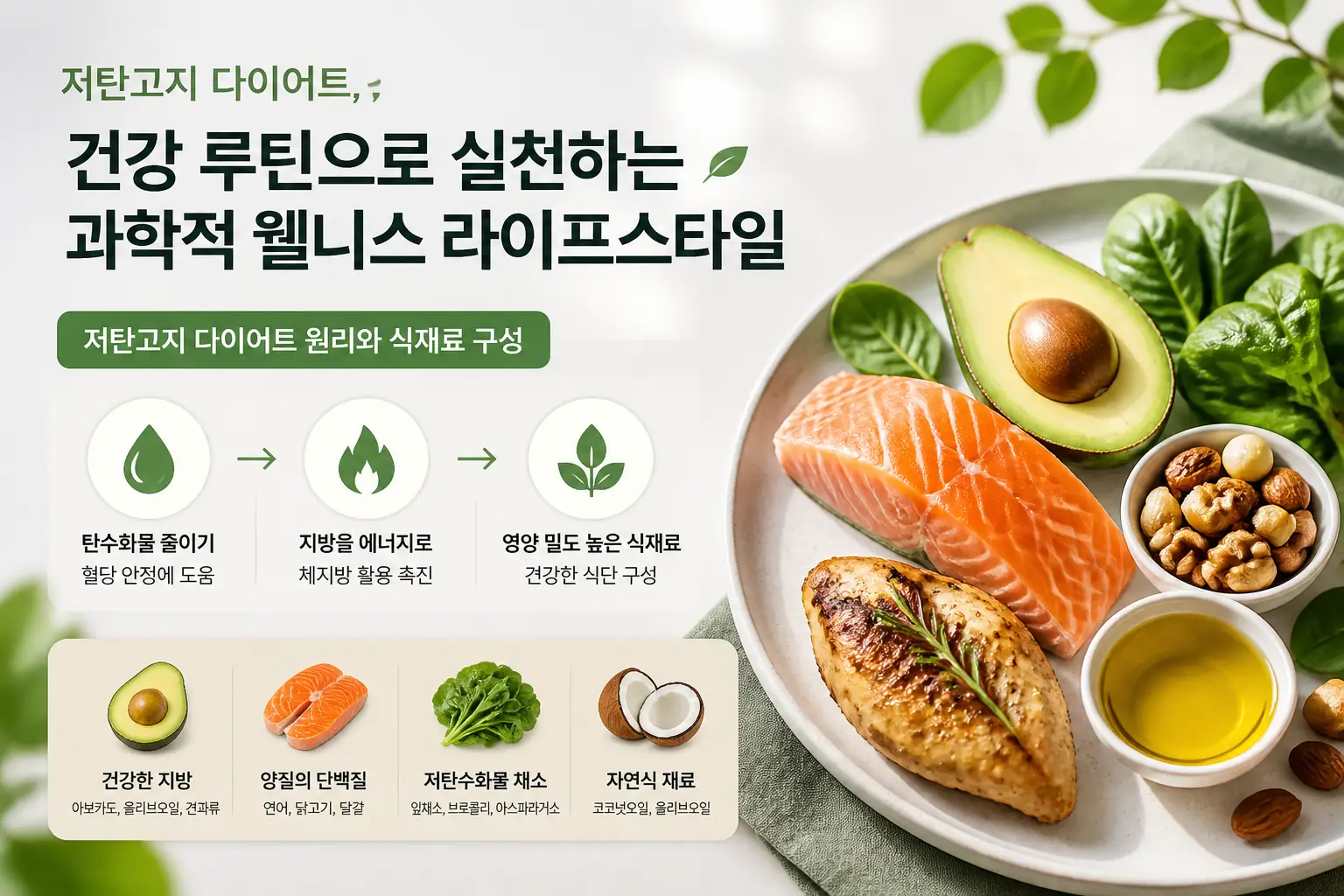
The Low-Carb High-Fat (LCHF) diet is a nutritional approach that drastically reduces carbohydrate intake while significantly increasing fat consumption. Protein is kept at moderate levels to prevent muscle loss, with most energy coming from fats. Originally developed for blood sugar control in people with diabetes or obesity, the LCHF diet has recently gained mainstream popularity due to its reported benefits for weight loss, improved focus, and reduced chronic inflammation.
The Principle of Carbohydrate Restriction
Carbohydrates are the body's primary energy source, typically accounting for 45–65% of daily calories. In an LCHF diet, this is reduced to just 5–10%. This sharp reduction lowers blood sugar and insulin secretion, pushing the body into a state called ketosis, where fat is broken down into ketone bodies, which then become the main energy source for the brain and muscles.
Increasing the Fat Ratio
In the LCHF diet, over 60–75% of total calories come from fats. Key ingredients include avocados, olive oil, nuts, fatty fish, and coconut oil. Because fats are calorie-dense, they help maintain satiety for longer. Prioritizing unsaturated fats can also positively impact cardiovascular health.
The Importance of Protein
Protein is essential for preventing muscle loss and regulating metabolism. It's recommended to get 15–25% of your daily calories from protein, but excessive intake can actually interfere with ketosis. High-quality protein sources such as chicken breast, eggs, tofu, and fish are ideal choices.
Health Effects of the LCHF Diet – Scientific Evidence and Real Changes
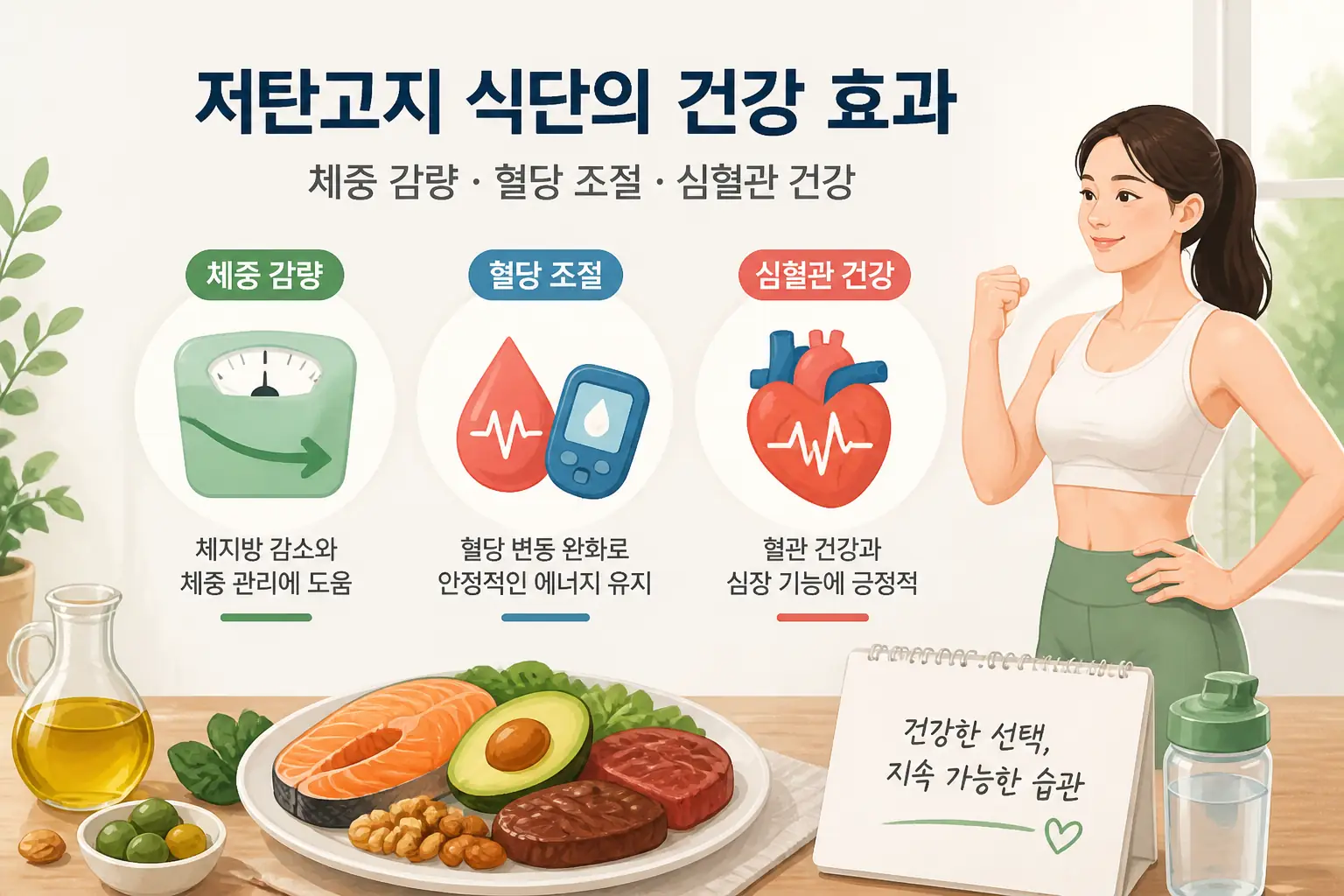
Numerous studies have shown that the LCHF diet is effective for short-term weight loss and blood sugar control. However, there are also concerns about its impact on cardiovascular health and other long-term effects.
Weight Loss and Metabolic Changes
Clinical studies have found that LCHF diets can lead to faster weight loss than low-fat diets with the same calorie count. This is largely due to lower insulin levels and the appetite-suppressing effects of ketone bodies. For example, one study showed that participants following an LCHF diet for 12 weeks lost an average of 5–7 kg more than those on a low-fat diet. It typically takes 3–7 days for the body to transition into ketosis.
Blood Sugar and Insulin Regulation
Reducing carbohydrate intake helps stabilize blood sugar and insulin responses. This is especially beneficial for people with type 2 diabetes, as studies have shown improved blood sugar variability and a reduced risk of long-term complications.
Cardiovascular Health and Fat Metabolism
Contrary to earlier concerns that higher fat intake might increase cardiovascular risk, research now suggests that focusing on unsaturated fats can raise HDL ("good" cholesterol) and lower triglycerides. However, some individuals may experience an increase in LDL ("bad" cholesterol), so individual responses should be monitored.
Long-Term Health Risks
Some studies indicate that a long-term LCHF diet may place stress on kidney function and that excessive saturated fat intake can worsen inflammation markers or increase the risk of atherosclerosis. Therefore, balanced fat intake and regular health checkups are essential.
In summary, while the LCHF diet offers clear advantages, there are also areas of controversy, making a personalized approach to diet planning crucial.
8-Step Routine for Practicing the LCHF Diet in Daily Life
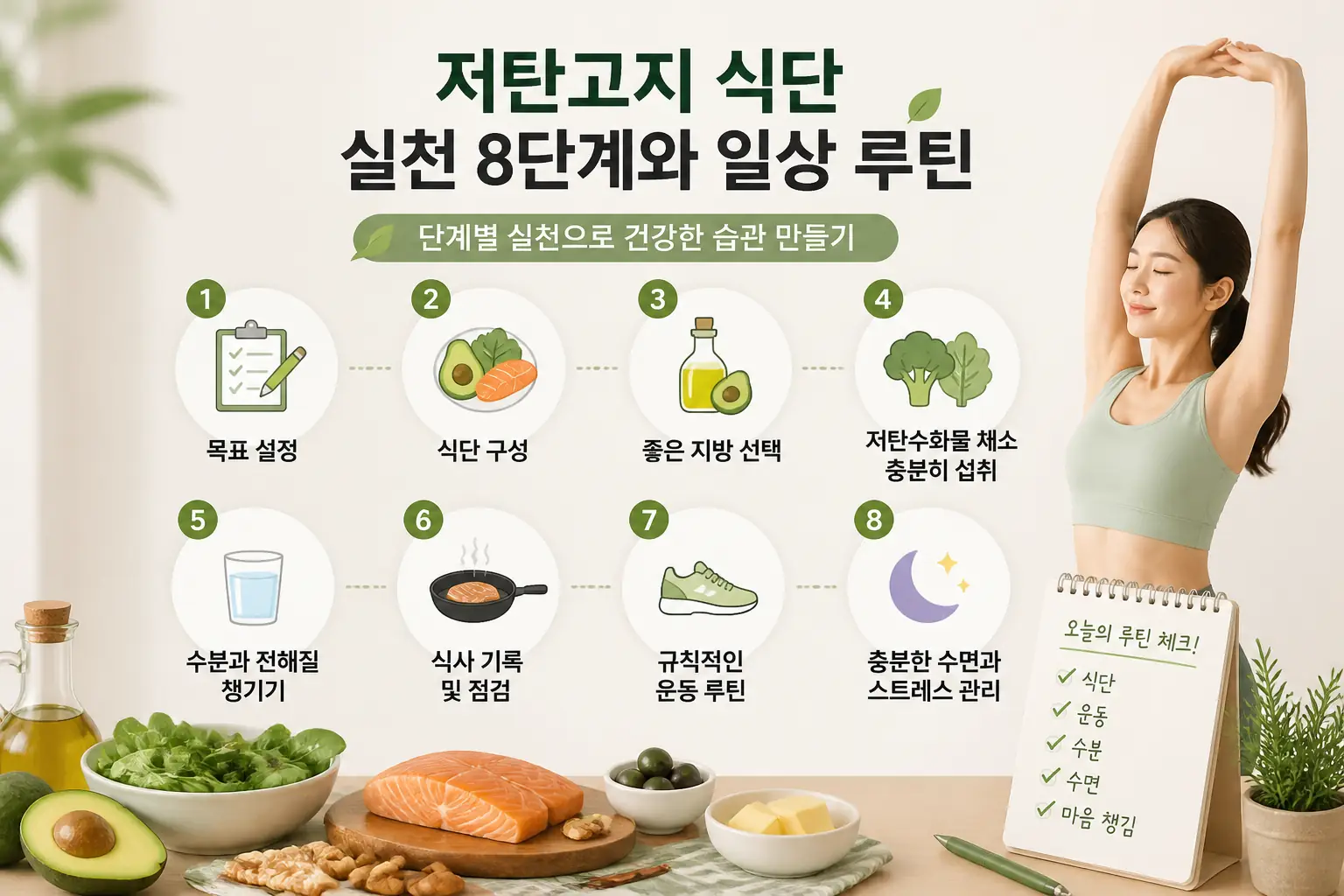
Simply cutting carbs is not enough to create a healthy wellness routine. To truly care for both body and mind, you need to manage nutrition and lifestyle habits together. Here are eight practical steps to help you get started.
1. Limit Carbohydrates
2. Increase Healthy Fats
3. Maintain Adequate Protein
4. Hydrate and Balance Electrolytes
> Tip: To replenish minerals, consider magnesium supplements or a pinch of salt in a glass of water to ease the initial adaptation period.
5. Exercise Regularly
6. Manage Sleep and Stress
> Note: Lack of sleep or chronic stress can undermine your diet efforts and may lead to binge eating or weight regain.
7. Practice Digital Detox
8. Keep a Food & Health Journal
> Tip: Include food types, portion sizes, mood, sleep hours, and exercise in your journal to easily spot patterns.
Suggested Daily Routine – How to Apply LCHF Throughout the Day
Progress Guide – When Will You See Results?
Complementing Daily Habits – Stretching, Posture, and Environment
Diet alone may not be enough. Incorporating posture correction exercises, eye strain relief techniques, and meditation into your daily habits can maximize wellness benefits. Check out Corrective Exercises for Forward Head Posture and Rounded Shoulders: 3 Essential Moves and Digital Detox Guide: The 20-20-20 Rule and Blue Light Blocking for more tips.
Warnings and Contraindications – When to Consult a Professional
In Conclusion – Balancing Healthy Routines and a Wellness Lifestyle
The LCHF diet can be effective for short-term weight loss and blood sugar control. However, a truly healthy diet is about more than just losing weight—it's about maintaining a balanced, holistic wellness lifestyle for both body and mind. When choosing this diet, it's best to take a careful, individualized approach, and to combine it with regular exercise, sufficient sleep, and stress management for optimal results.
We hope this article helps you understand the real effects and scientific evidence behind the LCHF diet, and empowers you to choose the healthiest diet method for yourself. For more tips on expanding your healthy routine, check out our blog.
References and Links
Go to guideDiscover Healthy Diet MethodsLearn more about the effects and methods of the LCHF diet.
Services by Botonglee