Meditation Changes the Brain — 8 Weeks of Transformation Proven by Neuroscience
Meditation and mindfulness are far more than simple relaxation or stress relief techniques—they are powerful tools that can bring about real changes in the structure and function of the brain. Especially when practiced consistently for eight weeks, meditation can lead to noticeable neuroplastic changes, which translate into improved stress management and emotional regulation. Today, we'll explore the neuroscience-backed benefits of meditation, provide a practical eight-week guide you can follow, and share specific meditation techniques that even beginners can easily adopt.
To help newcomers start without feeling overwhelmed, this guide offers step-by-step instructions, personal experiences, and practical tips for integrating mindfulness and wellness into daily life—including traditional Korean methods like K-meditation.
How Meditation Affects the Brain
A growing body of neuroscience research has confirmed that meditation induces positive changes in the brain. The brain is capable of neuroplasticity, meaning its structure can change in response to experience, and meditation is known to enhance this plasticity, strengthening specific regions.
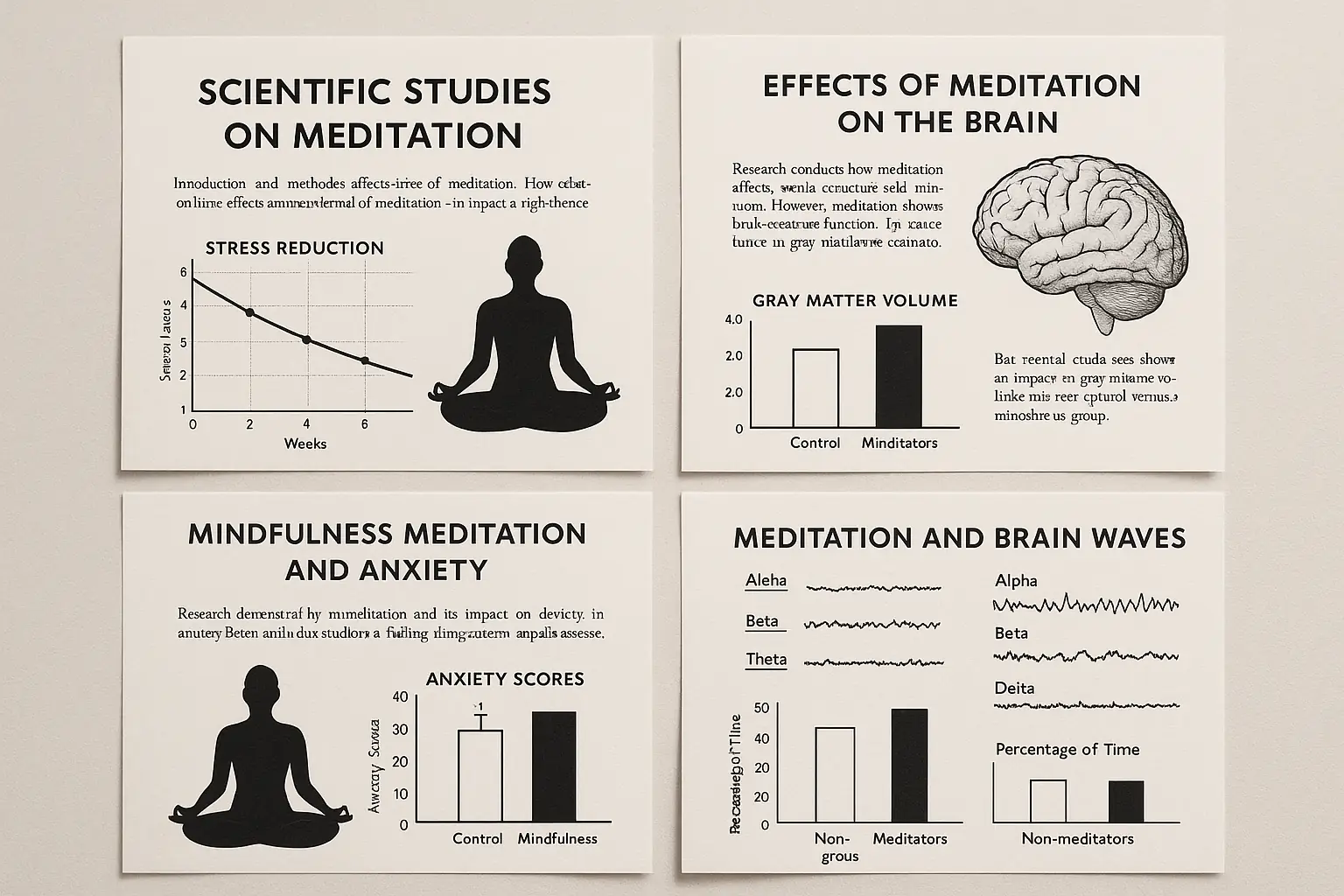
For example, a Harvard University study observed that participants who meditated for 27 minutes daily over eight weeks showed increased gray matter in the brain. These changes were most prominent in areas related to memory, concentration, and self-awareness, while activity in the amygdala—a region associated with stress response—decreased, indicating improved stress management. Similarly, UCLA research found that mindfulness meditation enhances the function of the prefrontal cortex, which is responsible for emotional regulation.
In other words, meditation not only brings peace of mind but also physically restructures neural circuits to help balance emotions, providing solid scientific backing for its effects.
These findings show that meditation is more than just a tool for relaxation or healing—it is a core practice for wellness and self-care. Traditional techniques like K-meditation, which combine sensory awareness and breathwork, align well with modern neuroscience and can be especially effective for mindfulness.

The 8-Week Transformation: A Practical Guide
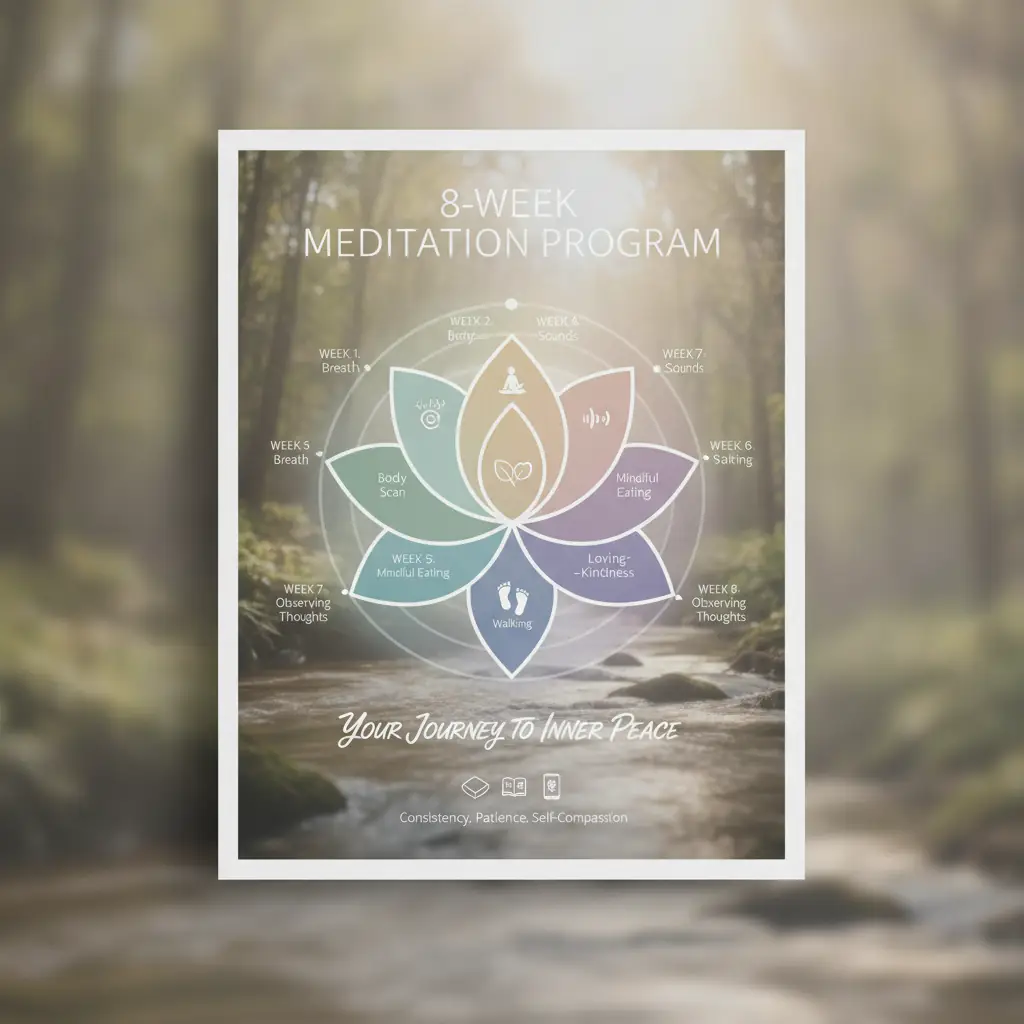
The benefits of meditation don't appear overnight; they accumulate gradually in the brain and body through consistent practice. One reason beginners often give up is that they start without a concrete plan. By approaching meditation step by step over eight weeks, you can actually feel the changes and naturally build the habit.
| Week | Meditation Practice | Expected Changes |
|---|---|---|
| Week 1 | Learn basic breathing techniques | Improved focus, initial sense of calm |
| Week 2 | Start body scan meditation | Enhanced body awareness, relaxation |
| Week 3 | Practice observing emotions | Recognize and distance from emotional reactions |
| Week 4 | Stress management meditation | Reduced stress response, psychological stability |
| Week 5 | Introduce sleep meditation | Better sleep quality, more stable dream patterns |
| Week 6 | Keep a mindfulness journal | Improved self-awareness and expression |
| Week 7 | Apply K-meditation techniques | Deep sensory immersion, traditional healing experience |
| Week 8 | Integrate all techniques | Comprehensive mindfulness and mind-body harmony |
> Once you develop the habit of meditating at the same time each day, your brain will quickly shift into 'meditation mode' at that time. Early mornings or right before bed are usually the most effective.
This eight-week program is designed to fit easily into daily life, requiring just 10–20 minutes per session. If you stick with it, you'll likely notice improvements in focus and emotional control by weeks 2–3, and by week 8, stress management will feel much easier.
The next section explains each meditation routine and technique in detail.
Step-by-Step Meditation Techniques
Here are seven beginner-friendly meditation methods, organized in stages. Each technique can be practiced in a short, focused session, making it easy to maintain mindfulness even with a busy schedule.
1. Breathing Meditation
> If distracting thoughts arise, simply return your attention to your breath. The goal of meditation is to practice focus, not to suppress thoughts.
2. Body Scan
> If you notice tension in any area, focus your breath there and exhale deeply to maximize relaxation.
3. Observing Emotions
4. Stress Management Meditation
5. Sleep Meditation
6. Mindfulness Journaling
7. K-meditation
> K-meditation is even more effective when combined with abdominal breathing. Consider joining a workshop or watching instructional videos for guidance.
Scientific Evidence: Research Findings
The neurological effects of meditation have been actively studied by institutions worldwide. Here are some representative studies that objectively demonstrate its benefits:
These and other studies confirm the scientific basis for meditation, highlighting that an eight-week period is especially significant for neural rewiring. Consistent practice directly impacts brain health and wellness, making meditation an essential self-care practice for modern life.
For a deeper dive into consciousness and the world of meditation, see What Is Consciousness Growth? — The World of Awakening Beyond Meditation.
Personal Experience: My 8-Week Meditation Journey
After practicing meditation consistently for eight weeks, the most noticeable changes I experienced were improved concentration and a greater sense of calm even in stressful situations. In the first week, even five minutes of breathing meditation felt challenging and my mind wandered frequently, but by the third week, distracting thoughts subsided and I could focus on my breath for longer periods.
During busy periods, anxiety and tension would arise, but practicing emotion observation and stress management meditation helped me stay composed instead of being swept away by my feelings. Discovering K-meditation, in particular, gave me a stronger sense of harmony between body and mind.
By the final, eighth week, I felt lighter mentally, developed a naturally more positive mindset, and became less shaken by everyday problems. Sleep meditation also helped me fall asleep faster and improved my sleep quality.
Through this experience, I realized that consistency and self-acceptance are key to meditation, and I encourage you to try the eight-week guide and stick with it.
Building a Sustainable Meditation Habit
The real challenge is making meditation a regular part of your daily life, not just a one-time event. Here are some tips for maintaining a consistent meditation practice:
Choose a specific time, such as right after waking up or before going to bed, to help build the habit.
Meditating with others can boost motivation and make it easier to stick with the practice.
Apps with guided meditations and reminders (such as Headspace, Calm, or Korean K-meditation apps) make it easier for beginners to start and keep going.
Bring awareness to everyday activities—walking, eating, showering—to incorporate mindfulness into small moments.
Recording your experiences and changes helps increase self-awareness and track your progress.
> If you experience persistent anxiety or physical discomfort during meditation, pause your practice and consult a professional. Pregnant individuals or those with certain health conditions should check with a healthcare provider before starting.
Meditation has become an essential wellness tool for modern life, and consistent practice can fundamentally transform your brain and mind. For more practical tips and in-depth meditation philosophy, see Digital Detox Meditation: The Power of 30 Minutes Without a Smartphone to Heal Your Mind.

Start meditating today! Consistent practice is the first step to transforming your brain and mind. For more tips and in-depth information, subscribe to our newsletter. Let's build a healthy, mindful, and well-balanced life together.
Services by Botonglee