The Future of Ontology-Based AI Agents and Productivity Tools
As AI trends and artificial intelligence utilization rapidly evolve,
ontology-based AI agents are emerging as a new paradigm for productivity tools.
From a practitioner's viewpoint,
this article analyzes how ontology is applied to AI agents
and the changes it brings to actual work automation
and personal assistant system design.
Basic Concepts of Ontology and AI Agents
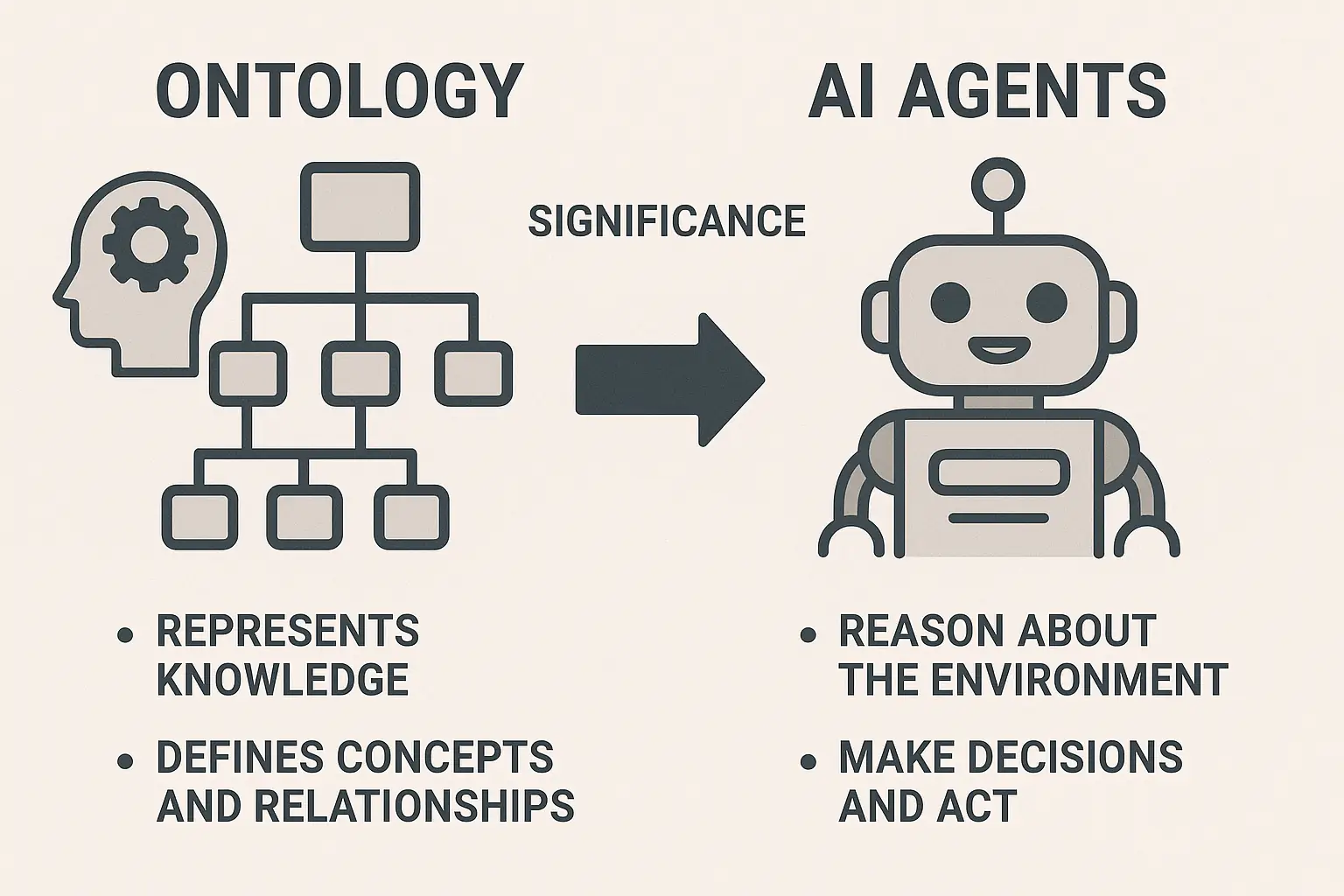
Ontology is a knowledge representation method that systematically defines
concepts, relationships,
and their meanings.
AI agents are systems that autonomously perform tasks for specific purposes,
and leveraging ontology enables deeper contextual understanding
and sophisticated decision-making.
Ontology-based AI goes beyond simple data processing
by understanding relationships between concepts to solve complex problems.
In practice, I have designed ontology models in work automation projects
that significantly improved the accuracy and efficiency of repetitive tasks.
Real-World Use Cases: Ontology-Based AI Agents
Ontology-based AI agents are especially effective
in tasks requiring complex domain knowledge.
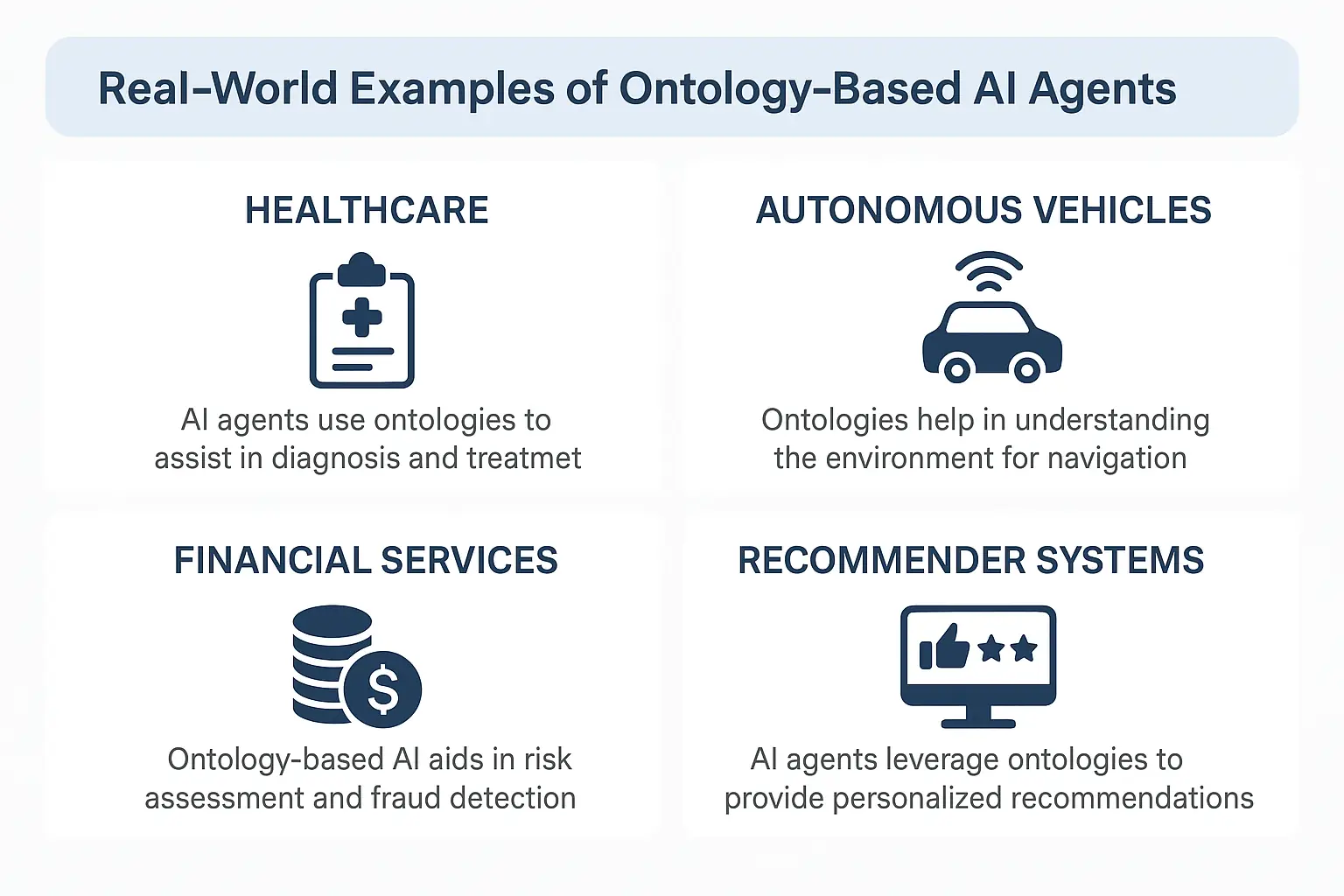
For example, in healthcare, AI agents propose personalized treatment plans
by modeling the relationships among patient information,
diagnosis, and treatment protocols using ontologies.
Additionally, companies use ontologies to integrate
internal documents, knowledge bases, and project management information,
allowing AI agents to automatically recommend relevant information
or assist in tasks.
In one project I participated in,
deploying an ontology-based AI agent
reduced customer inquiry response time by over 30%.
Notable tools include Protégé (ontology editor),
Apache Jena (knowledge graph framework),
and AI agent development platforms like Rasa or Dialogflow
that utilize these ontologies.
Pros, Cons, and Considerations of Ontology-Based AI
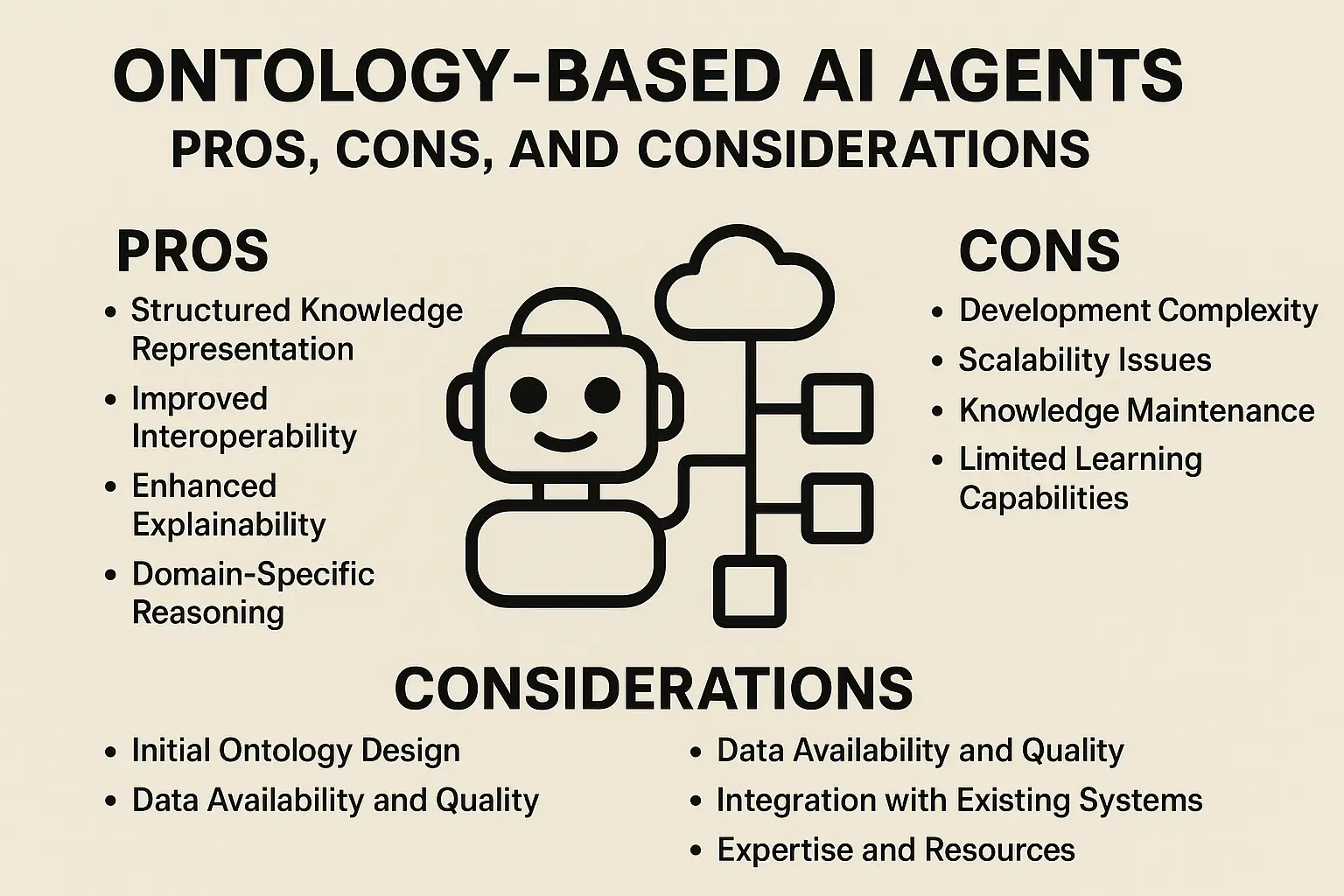
The biggest advantage of ontology-based AI is its ability
to understand the interrelations of complex information
through clear knowledge structures
and build reusable knowledge assets.
Furthermore, collaboration between domain experts and developers is facilitated,
and AI systems become more explainable.
On the downside, initial ontology design and maintenance
require significant time and effort,
and the system can be sensitive to domain changes.
Also, as the complexity of ontology increases,
it can burden the processing speed and scalability of AI agents.
In practical application, it is crucial to set an appropriate level of abstraction
suited to the domain characteristics
and design ongoing update processes.
From my experience, thorough communication with domain experts
during the initial design phase to adjust the ontology's scope and depth
was key to success.
Future Outlook: The Evolution of AI Agents and Productivity Tools
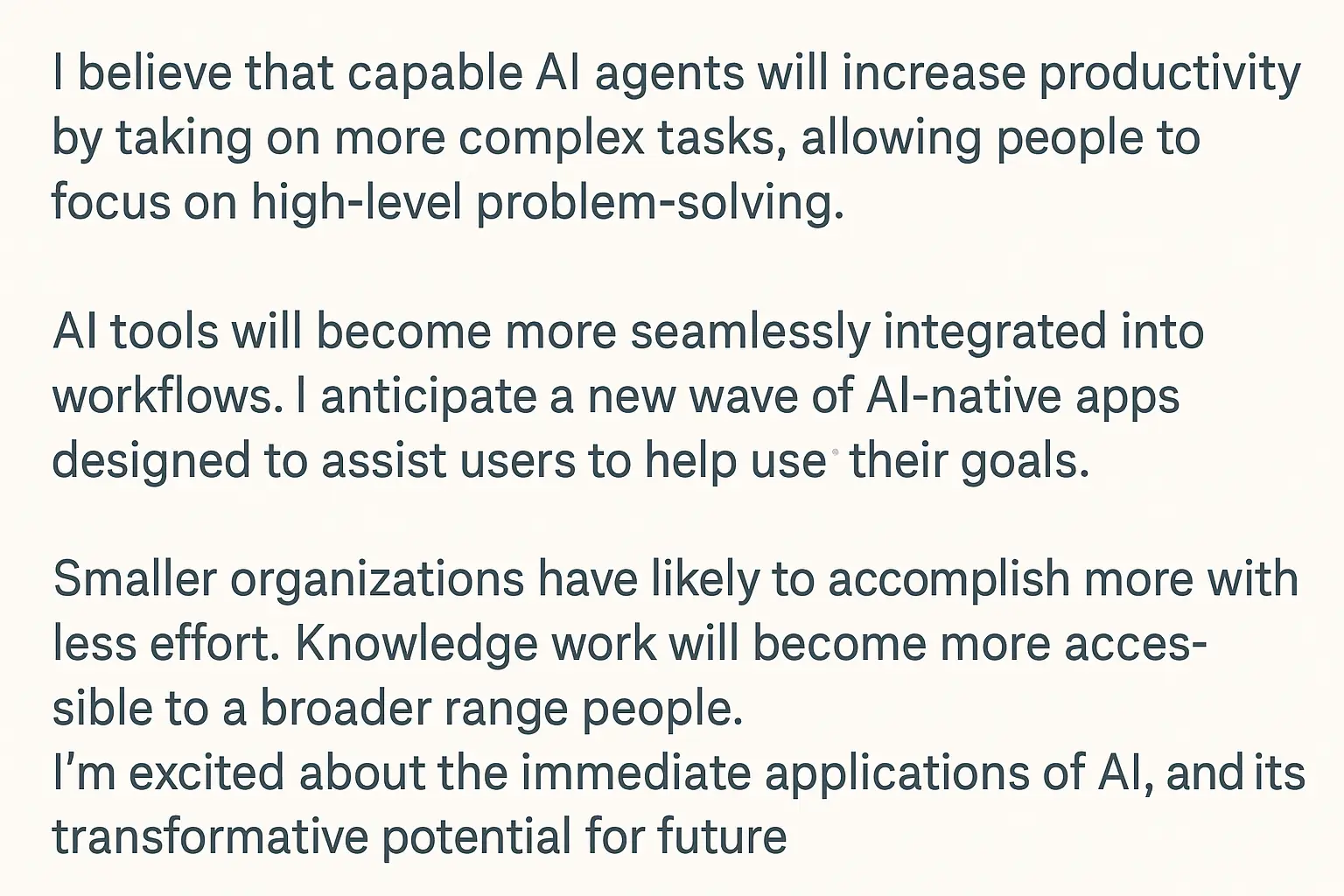
Going forward, ontology-based AI agents will evolve
into more intelligent and flexible productivity tools.
In particular, combined with generative AI,
personal assistant systems that deeply understand user intent and context
to provide customized automation are expected to become commonplace.
During digital transformation, companies will gain opportunities
to systematize organizational knowledge
and innovate business processes through ontology-based AI.
Personally, I expect the synergy between ontology and generative AI
will maximize practical productivity
and enhance the reliability and transparency of AI automation.
For this, considerations on user experience (UX),
AI ethics, and data governance must be addressed simultaneously.
In this changing landscape, practitioners need to continuously learn
about ontology and AI agent technologies
and actively adopt customized productivity tools
to secure their competitiveness.
Ontology-based AI agents are becoming a core pillar of productivity tools
that connect complex knowledge and tasks beyond simple automation.
I will continue to explore the potential of this field
and share practical insights applicable in the workplace.
Explore the possibilities of ontology-based AI agents!
Services by Botonglee