Practical Guide to Dividend Investing: Building a Portfolio for Monthly-Like Income
Every investor seeks stable and consistent returns. However, the volatility of the stock market is hard to predict, and relying solely on capital gains can feel risky and uncertain. In such times, 'dividend investing' offers a realistic alternative by creating a regular cash flow, much like receiving a monthly paycheck.
Dividend investing is not just about picking stocks with the highest yields. To see real results, you need to consider the overall market environment, a company's stability, and its growth prospects. In this article, we'll walk you through the key concepts of dividend investing, step-by-step portfolio construction for actual returns, and practical investment principles. If you're an investor seeking stable income, you'll find actionable guidance here.
Go to guideHow to Build a PortfolioGet in-depth information about dividend investing.
Recent Market Trends: Assessing the Dividend Investment Environment
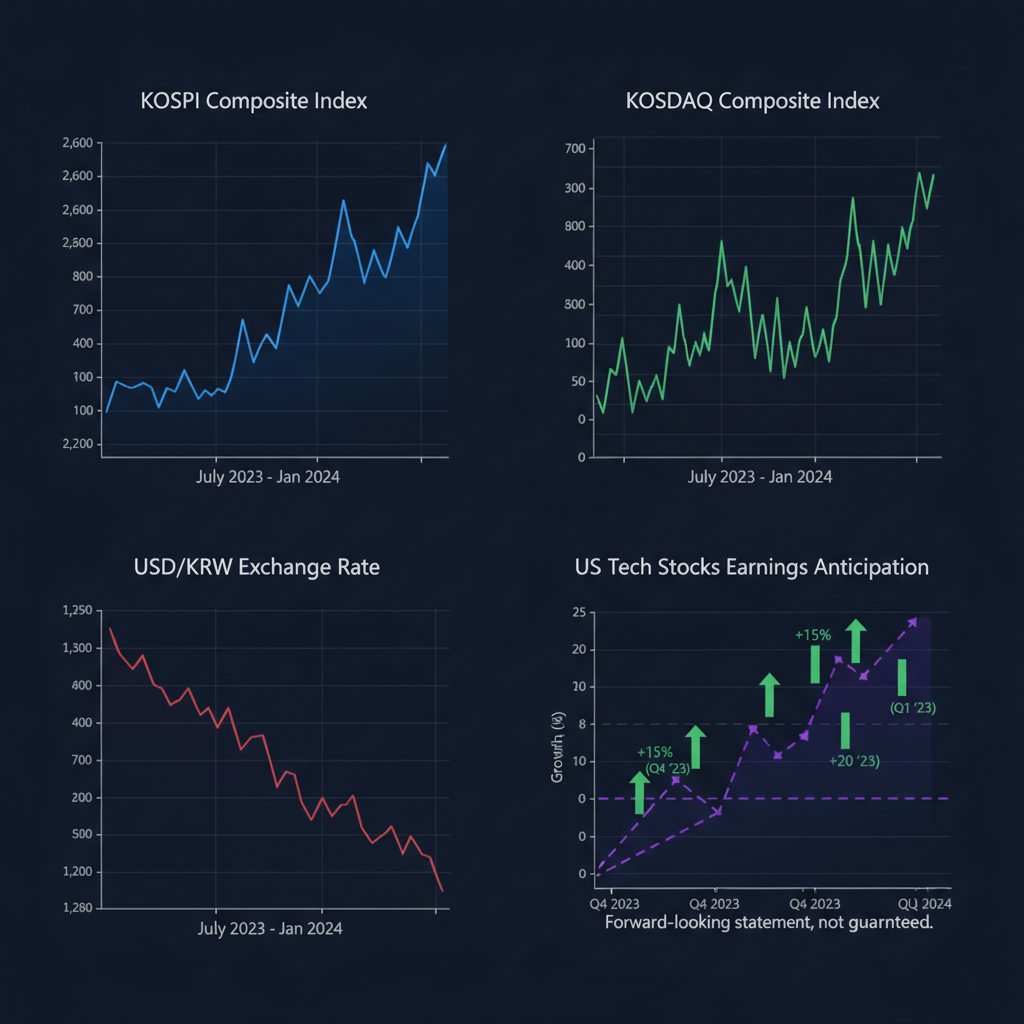
Recently, the Korean stock market has entered a correction phase, with the KOSPI and KOSDAQ indices dropping by 0.89% and 1.96%, respectively. The Korean won to US dollar exchange rate has also slightly declined from the 1,487 KRW level, reducing some volatility. While uncertainty in the semiconductor sector and geopolitical tensions in the Middle East have rattled the market, these periods can actually present opportunities to focus on dividend stocks.
In the US market, all eyes are on upcoming earnings reports from major tech companies. With interest rates continuing to rise, dividend stocks are becoming increasingly attractive compared to growth stocks. Historically, during periods of rising rates, companies with stable cash flows tend to defend their share prices more effectively.
Interest rates and market volatility are key signals for dividend investors. Now is the time to discover undervalued dividend stocks relative to their intrinsic value and to balance growth and value stocks in your portfolio. For a more detailed asset allocation strategy, see Comparing KOSPI and S&P500: The Optimal Asset Allocation Strategy for Korean Investors.
What Is Dividend Investing?
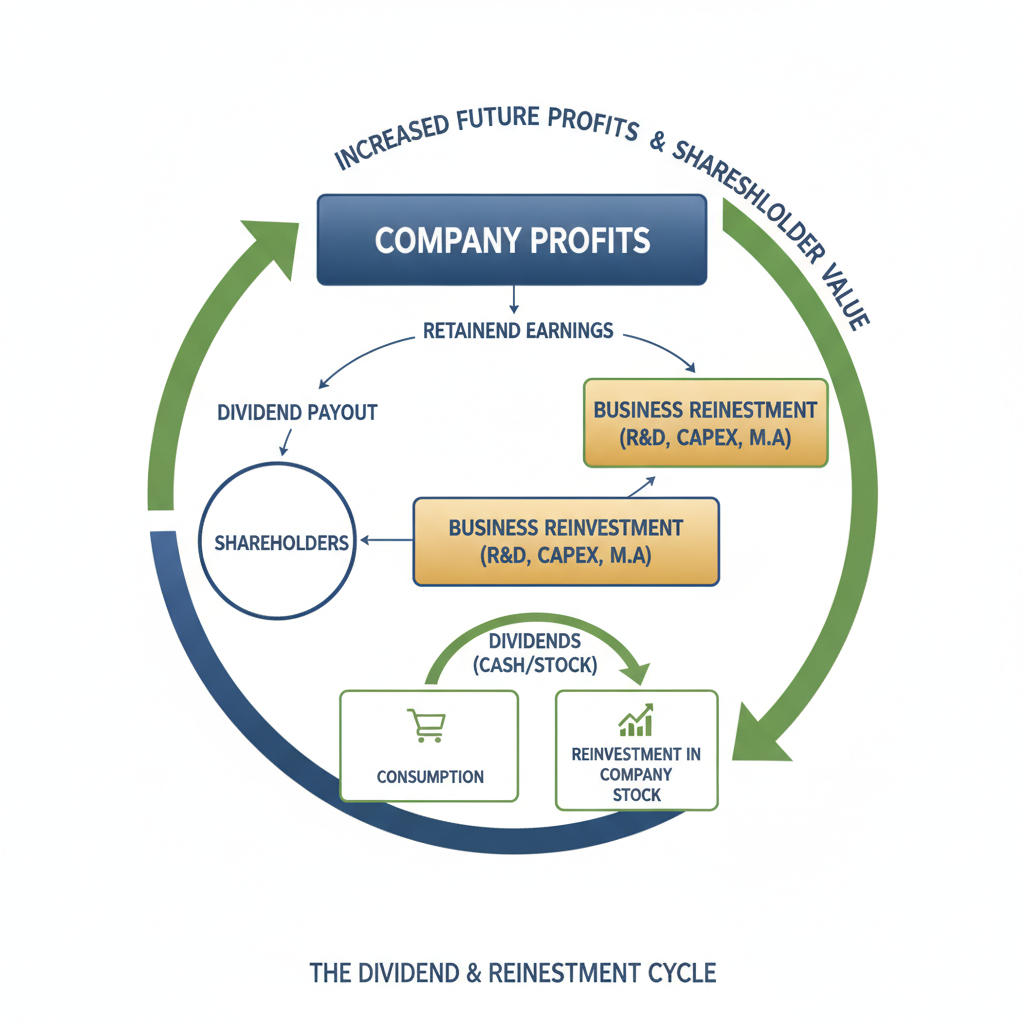
Dividend investing involves receiving a portion of a company's profits as cash payments to shareholders. The main advantage is that you can secure regular cash flow, not just rely on stock price appreciation.
Major Korean blue-chip companies like Samsung Electronics and LG Chem pay dividends quarterly or annually. You can reinvest these dividends or use them for living expenses or additional investments. By considering both dividend growth rates and payout ratios, you can also benefit from compound growth over the long term.
Dividend stocks can also act as a safety margin during periods of high market volatility by limiting downside risk. By selecting undervalued dividend stocks, you can reduce potential losses while aiming for steady returns. In fact, dividend stocks often outperform during interest rate hikes.
Dividend investing isn't just about chasing 'high-yield' stocks. It's important to assess growth potential, stability, and the sustainability of dividends. Using growth metrics like the PEG ratio (Price/Earnings to Growth) can help you select the right stocks.
Noteworthy Dividend Stocks and Key Investment Points
Leading dividend stocks include Samsung Electronics, LG Chem, and SK Telecom. These companies have reliable cash generation and business structures, providing steady dividends and earning investor trust.
However, focusing only on large-cap stocks can be risky. There are also small and mid-cap companies with attractive dividend yields and strong growth potential. Recently, mid-sized companies in emerging sectors like green energy and semiconductor materials have been increasing their dividends and gaining attention.
If a company's payout ratio is too high, it may not be able to sustain its dividends. It's generally best to focus on companies with a stable payout ratio in the 30–60% range. Mixing growth industries with traditional stable sectors (such as telecom and finance) helps diversify risk.
The core of dividend investing is to hold companies with strong earnings and cash flow for the long term. Set clear stop-loss rules based on market volatility, follow momentum (trends), and be willing to wait on the sidelines if volatility becomes excessive.

Building a Dividend Portfolio: Step-by-Step Action Plan
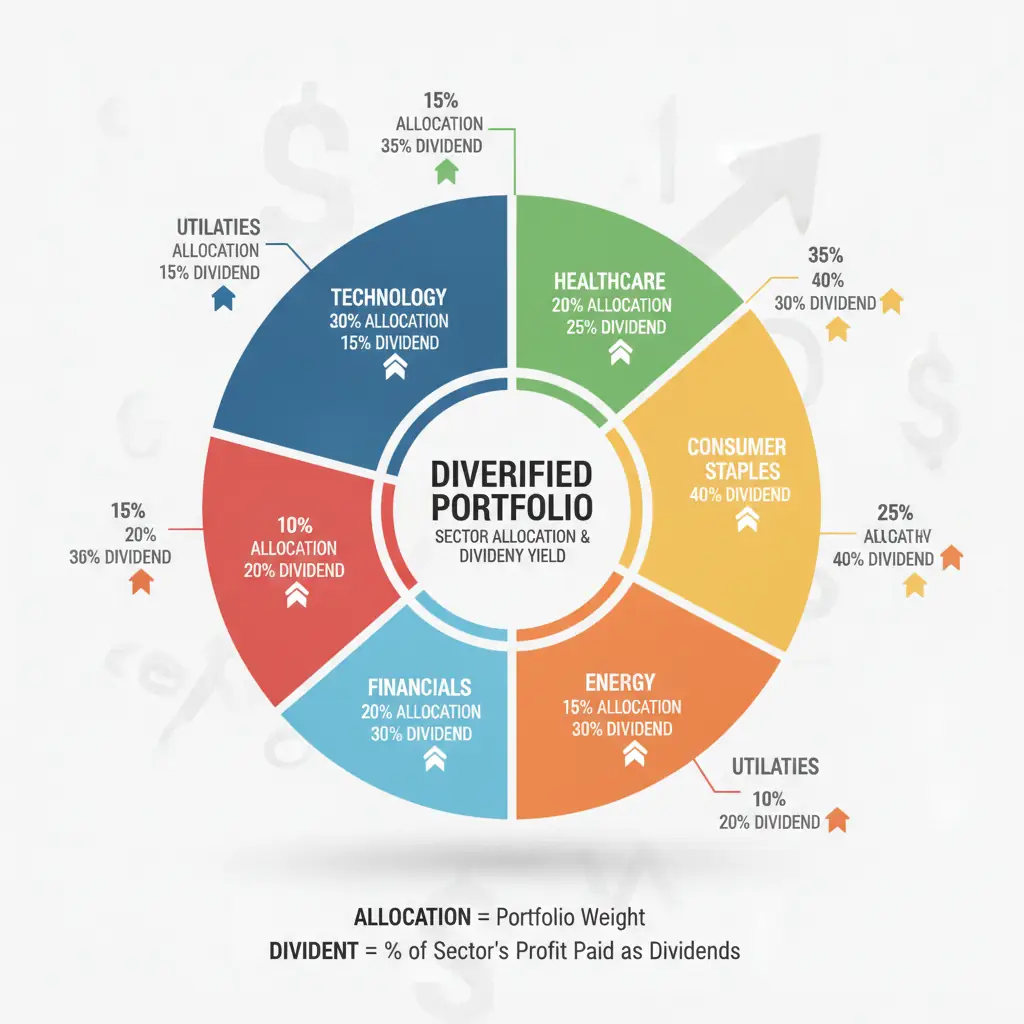
The most important aspect of dividend investing is portfolio construction. Concentrating on just one or two stocks increases risk, so it's best to diversify by following these steps:
This approach combines Ray Dalio's asset allocation principles with practical strategies for individual investors. It also aligns with the All Weather Portfolio philosophy, integrating dividend stocks for greater stability.
For more on asset allocation strategies and the current role of dividend stocks, see Interest Rate Cuts and the Stock Market: How to Analyze Historical Patterns for Investment Insights.
Investment Principles and Takeaways: Keys to Dividend Investing Success
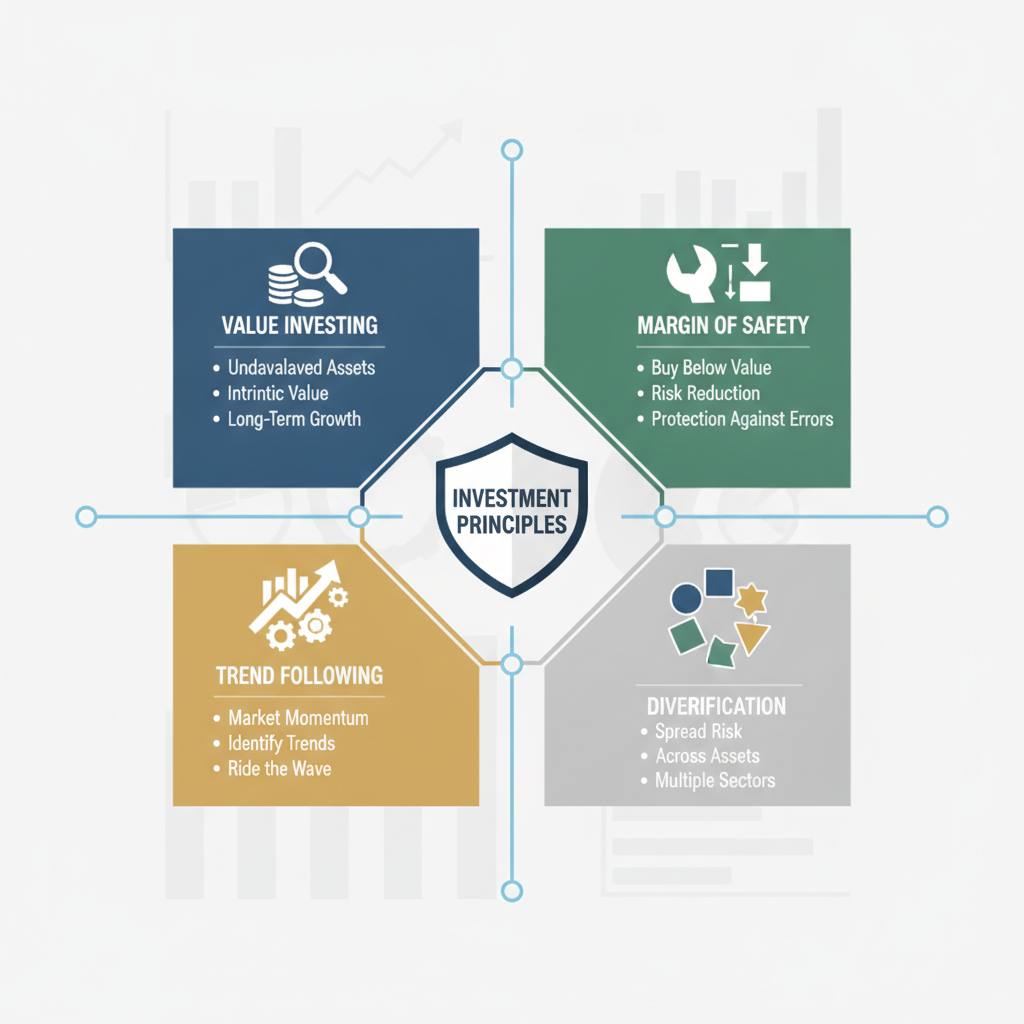
Dividend investing is not just about chasing high yields. It's crucial to select companies that are undervalued relative to their intrinsic value and to secure a margin of safety. Don't forget the value investing principles emphasized by Warren Buffett and Benjamin Graham.
Trend-following strategies are also essential in dividend investing. Blindly buying more as prices fall is risky. Refer to Jesse Livermore's stop-loss principles, and be prepared to wait on the sidelines if you're uncertain or if market signals are unclear.
Summary of Investment Principles
By consistently following these principles, you can avoid being swayed by short-term volatility and aim for stable, long-term returns.
Putting Dividend Investing into Practice: A Step-by-Step Portfolio Guide
Here are concrete steps you can follow to start your own dividend investment journey:
The key to success in dividend investing is consistency and adherence to your principles. Even during periods of high market volatility, stay disciplined and focus on discovering dividend growth stocks for a steady, paycheck-like income stream.
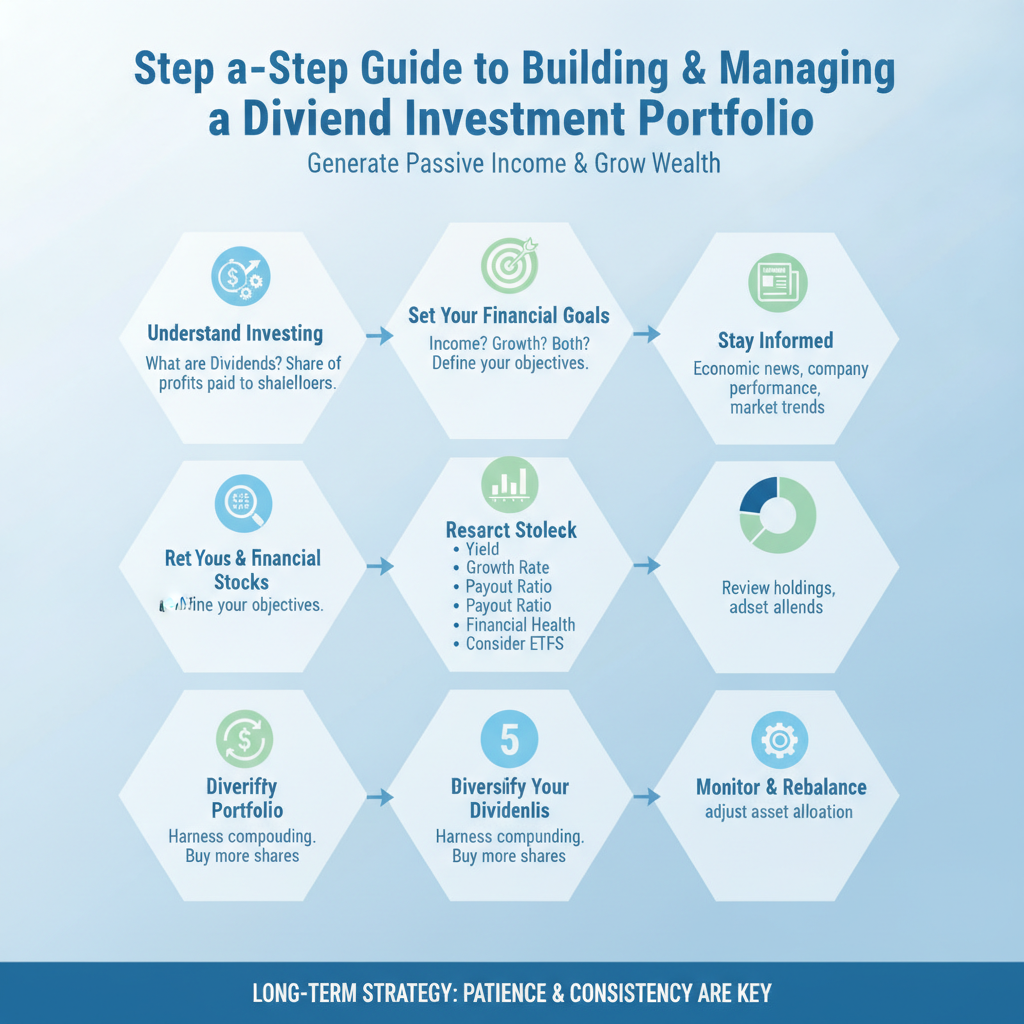
Dividend investing goes beyond simply securing cash flow—it succeeds when value investing, growth investing, trend-following, and asset allocation principles are harmoniously combined. Use the portfolio construction methods and practical guide in this article to develop your own stable and sustainable investment strategy.
For deeper insights into asset allocation and market analysis, be sure to read Comparing KOSPI and S&P500: The Optimal Asset Allocation Strategy for Korean Investors.
Reference Links
The most important thing in investing is continuous learning and practice. By establishing your own investment principles and designing a systematic portfolio strategy, you can build a solid foundation that won't be shaken by market volatility.
Go to guideHow to Build a PortfolioGet in-depth information about dividend investing.Services by Botonglee