REITs Investing: How to Earn Real Estate Income with Small Amounts
In recent years, indirect real estate investment through REITs (Real Estate Investment Trusts) has gained significant traction among individual investors as an alternative to direct property ownership. As we enter an era of high interest rates, REITs are drawing attention for their potential to provide stable dividend income and act as a hedge against inflation, making them an attractive option beyond traditional stocks and bonds. In this article, we'll take a deep dive into what REITs are, current market trends, the main types of REITs, and practical investment principles and portfolio strategies for individuals. Let’s explore how you can incorporate REITs into your long-term investment and asset allocation plans.
What Are REITs?
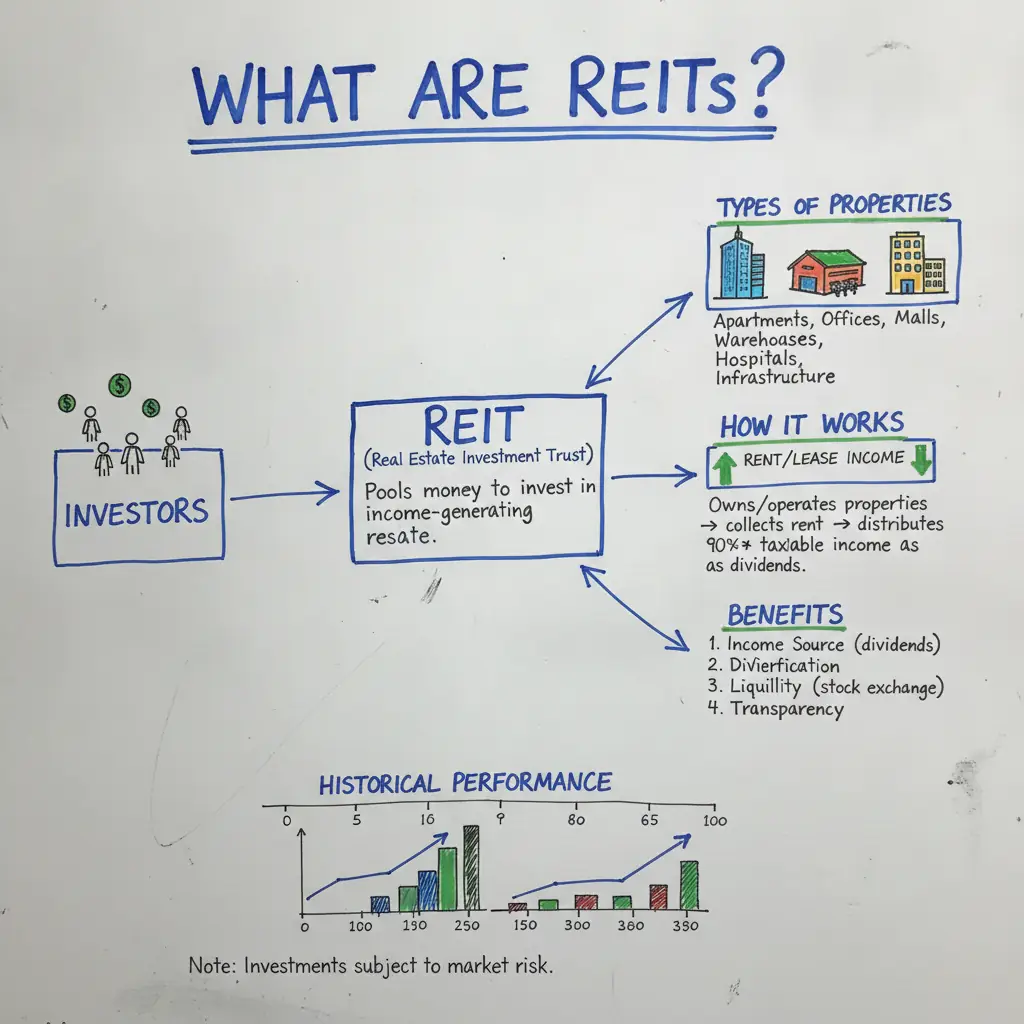
REITs, or Real Estate Investment Trusts, are investment vehicles where multiple investors pool their funds to invest in a range of real estate assets such as commercial properties, residential buildings, and logistics centers. The income generated from rents and property sales is distributed to investors as dividends. This allows individuals to participate in real estate income with relatively small amounts, without the burden of directly purchasing or managing properties.
As of 2026, the US REIT market has become a central pillar of global indirect real estate investing by market capitalization, and growth continues in Asian markets, including South Korea. Since REITs often move differently from the stock market, they can play a crucial role in asset allocation strategies.
Recent Market Trends: Analyzing the 2026 Real Estate and REITs Investment Environment
In 2026, the global real estate market is experiencing heightened volatility due to rising interest rates, inflationary pressures, and geopolitical uncertainties. In South Korea, for example, contrary to early-year expectations, signals of rate hikes from the Bank of Korea have increased downward pressure on commercial property prices.
While the REIT market is sensitive to changes in interest rates and the broader economic environment, each REIT’s characteristics and portfolio composition present diverse investment opportunities. In major markets like the US, South Korea, and Japan, differentiation between industrial/data center, residential, and commercial REITs is becoming more pronounced.
Investing in REITs through ETFs has also become easier and more diverse. If you are interested in ETF investing, check out the article ETF Investing Guide: S&P500, Nasdaq100, and Global Diversification Strategies.

Key Types of REITs and Investment Points
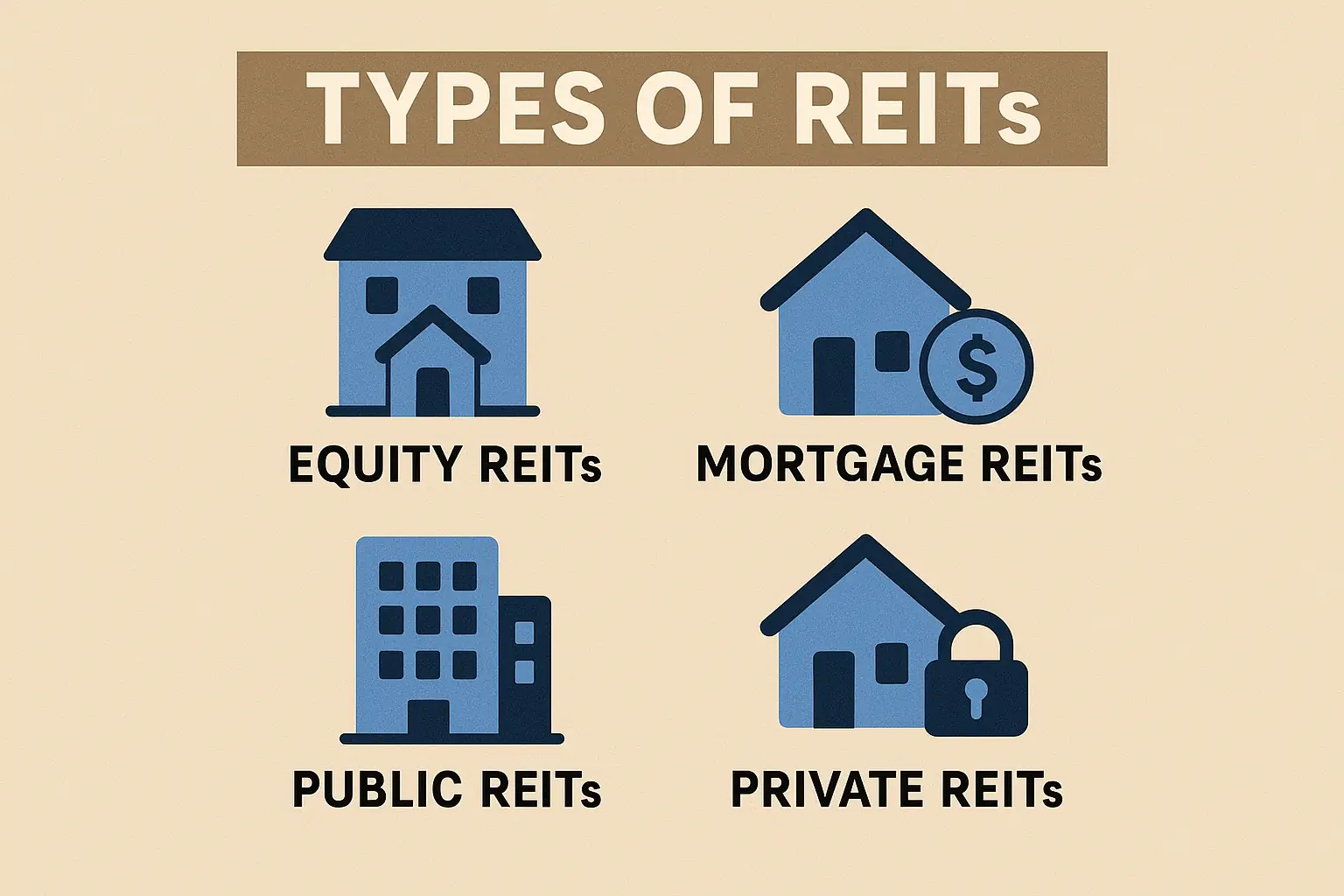
REITs can differ greatly in terms of stability, growth potential, and volatility depending on the type of real estate they invest in. It's important to select the right type of REIT based on your investment goals and risk tolerance.
1. Residential REITs
2. Commercial REITs
3. Industrial REITs
Since each type of REIT has different growth drivers and risk factors, it’s important to combine them appropriately based on your investment philosophy and time horizon.
Key Investment Principles for REITs
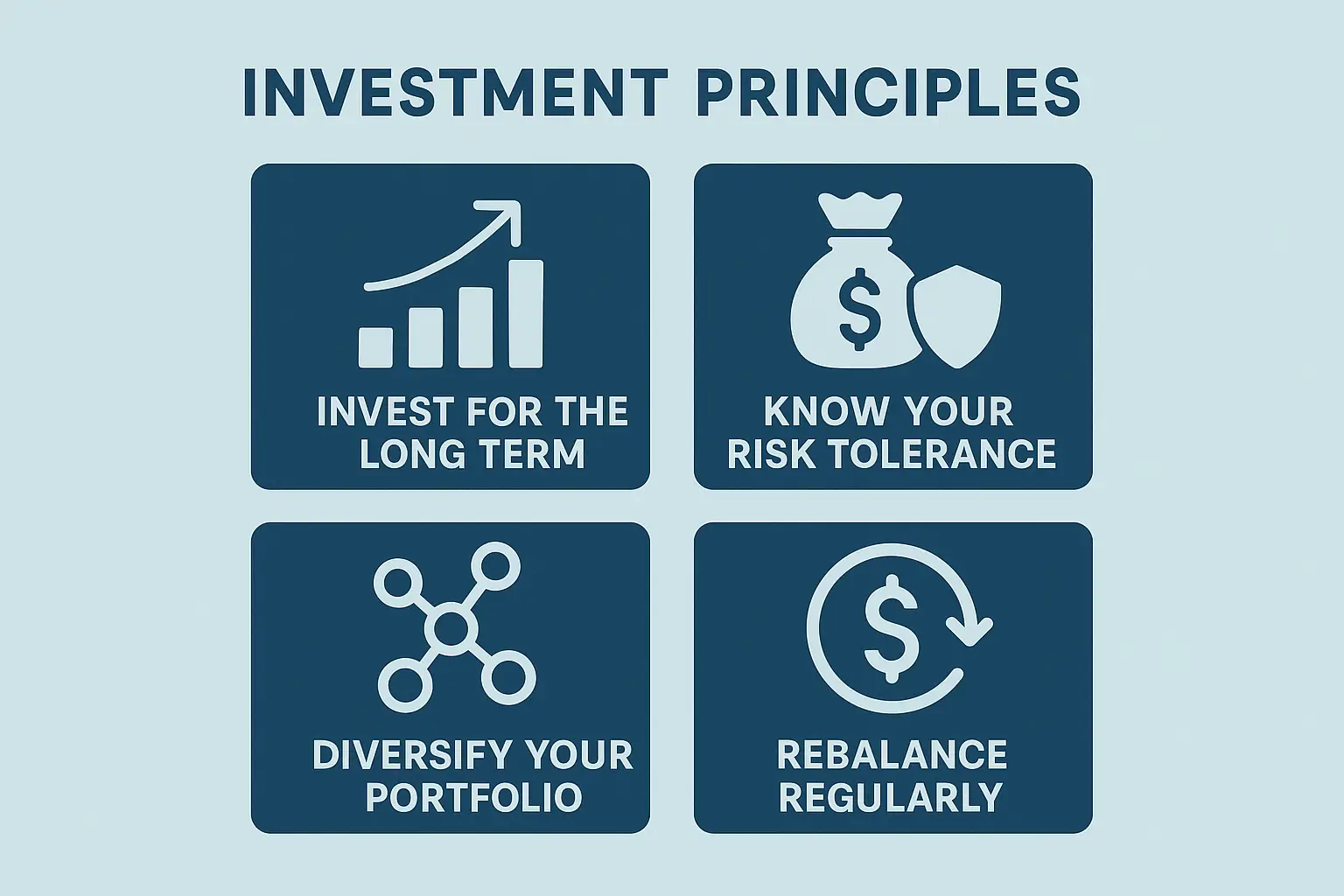
For individual investors, applying principles such as value investing, trend following, and asset allocation to REITs can be highly effective.
These principles help individual investors maintain psychological stability and secure long-term profitability.
Portfolio Strategies and Practical Steps for Including REITs
Rather than investing in REITs alone, it’s more advantageous in the long run to build a diversified portfolio that includes stocks, bonds, and other assets. Here are some actionable strategies:
Investing in REITs through ETFs is also a convenient option. For a detailed comparison of ETF investing and diversification strategies, see the ETF Investing Guide.

Sharing Personal Investment Experience and Strategies
As a small-scale investor myself, I have consistently benefited from including REITs in my portfolio for both diversification and dividend income. Here are a few personal experiences and tips:
These experiences have reinforced my belief that successful REIT investing requires a combination of long-term perspective, asset allocation, and adaptability to changing market conditions.

REITs are an attractive investment tool that lowers the high entry barriers of direct real estate investment and provides stable dividend income. However, to maximize their value, it’s essential to manage risks related to market and interest rate fluctuations, select the right types of REITs, and maintain a systematic approach to asset allocation.
If you want deeper investment insights and practical portfolio applications, consider subscribing to the newsletter for regular updates.
Reference Links
Keep an eye on the ongoing growth and evolution of REIT investing, and stick to sound investment principles to achieve stable returns.
Services by Botonglee