The Dual Nature of Caffeine: Coffee’s Positive and Negative Health Effects and How to Integrate It Into Your Wellness Routine
Coffee is an indispensable part of modern life. It wakes us up in the morning, sharpens our focus, and often serves as a catalyst for relaxation or social connection. However, from the perspective of a healthy routine and wellness lifestyle, it’s crucial to understand both sides of coffee and manage your consumption wisely. In this article, we’ll explore in detail the positive and negative effects of coffee on both body and mind, and provide practical guidance on how to build a healthy coffee routine.
We’ll also discuss how drinking coffee can be more than just a source of caffeine—it can serve as a bridge between your body and mind. You’ll learn how to design a wellness routine that incorporates coffee, and discover what this ritual can mean for your life and mental health, along with actionable tips.
Positive Effects of Coffee
Understanding the health benefits of coffee is the first step to deciding how to use it within your wellness routine. Numerous studies show that coffee offers more than just a caffeine boost—it provides several health advantages.
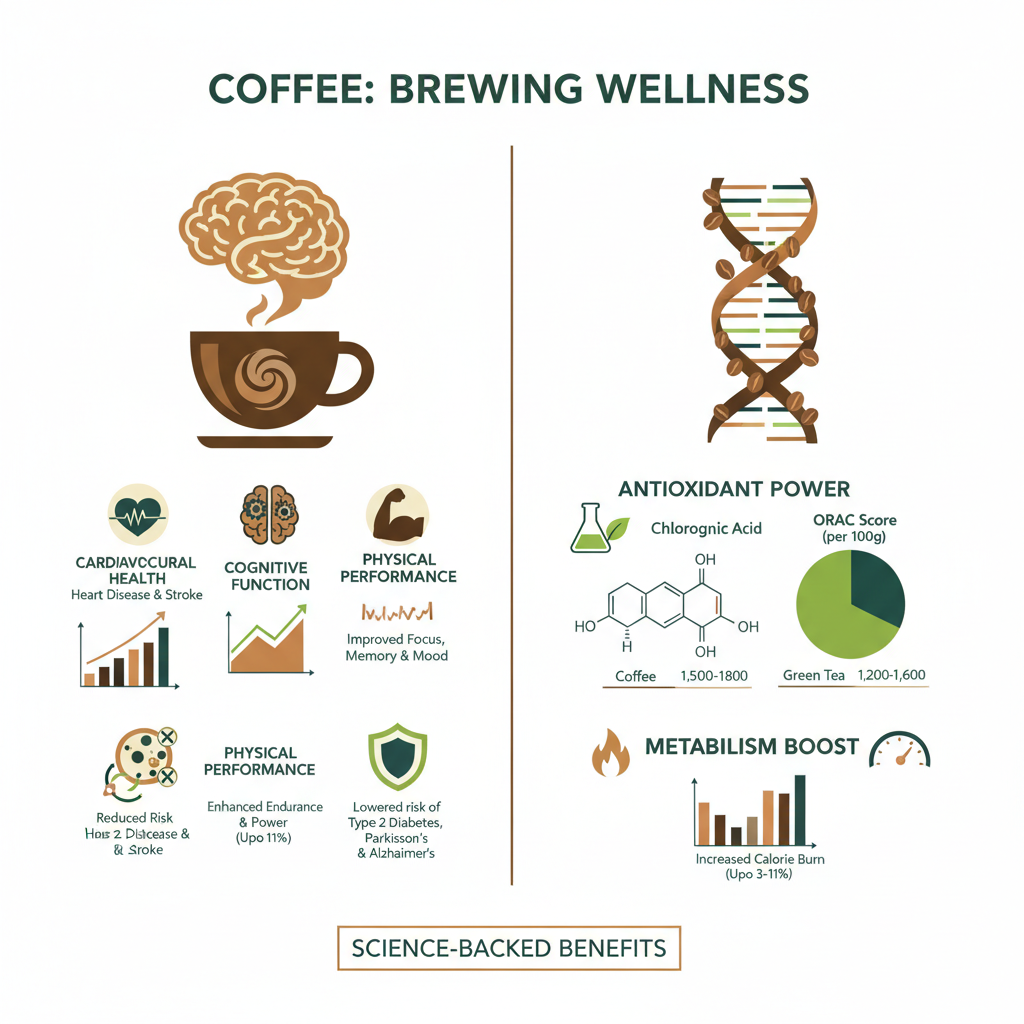
Coffee is packed with antioxidants like chlorogenic acid, which help prevent cellular damage and reduce chronic inflammation. These antioxidant properties can also support anti-aging and cardiovascular health.
Caffeine boosts metabolism and increases fat oxidation, making it helpful for weight control. Research also suggests that consuming caffeine before exercise can enhance fat burning and athletic performance.
The caffeine in coffee stimulates the central nervous system, improving focus, memory, and even alleviating feelings of depression. A moderate cup in the morning can boost productivity and help you start your day with energy.
When consumed in moderation, coffee can play a positive role in your health routine.

Negative Effects of Coffee
On the other hand, excessive or poorly timed coffee consumption can have negative effects on both body and mind. Individual sensitivity varies depending on your constitution and health status, so it’s important to pay attention to your own response.
Too much caffeine can heighten anxiety, raise your heart rate, and cause jitters. Drinking coffee late in the day can disrupt sleep quality, leading to feeling less refreshed the next day.
Coffee stimulates stomach acid production, which can cause heartburn or worsen conditions like gastritis or ulcers. If you have a sensitive stomach, be mindful of when and how much coffee you drink, especially around meals.
Regular overconsumption can lead to caffeine dependence, resulting in withdrawal symptoms like headaches, fatigue, and reduced concentration when you skip your usual cup.
> If you struggle with anxiety or insomnia, it’s wise to reduce your coffee intake or switch to caffeine-free alternatives.

Building a Healthy Coffee Consumption Routine
To integrate coffee into a healthy wellness lifestyle, you need a concrete routine that manages quantity, timing, and accompanying habits. Here are some practical guidelines for healthy coffee consumption:
For most adults, up to 400mg of caffeine per day (about 2–3 cups of coffee) is considered safe. Try not to exceed this amount.
Aim to drink coffee between 9 a.m. and 2 p.m., and avoid caffeine in the late afternoon or evening, as it can interfere with sleep quality.
Drinking coffee right after a meal can reduce stomach discomfort and support nutrient absorption. Avoid drinking coffee on an empty stomach.
Make sure to drink enough water after your coffee to stay hydrated.
Opt for organic beans or freshly roasted coffee to minimize impurities and pesticide residues.
Minimize added sugar and high-fat cream. Use natural sweeteners or low-fat milk as healthier alternatives.
Take a break from your phone or computer while enjoying your coffee. This digital detox can help reduce psychological stress and support mental wellness.
Pairing a mindful activity like meditation or stretching with your coffee can relax your body and boost focus.
> Keeping a daily coffee log in an app or journal can help you avoid overconsumption and monitor how your body responds.

Body–Mind Connection: Coffee and Wellness
Coffee is more than just a physical stimulant; it’s closely linked to our psychological state as well. From a holistic wellness perspective, coffee can be a positive tool for mental health when consumed appropriately.
Caffeine stimulates dopamine release, which can elevate your mood and lower stress levels. Moderate coffee consumption can provide a sense of mental stability.
When your mind is alert from coffee, combining it with activities like meditation, yoga, or Pilates can amplify focus and relaxation. Starting your day with 10 minutes of meditation after your morning coffee is a highly recommended routine.
Instead of rushing through your coffee, take a moment to breathe and savor it. This mindful approach helps you stay present and enjoy the moment.
> Beginning your day with gratitude while drinking coffee can foster inner peace and expand your sense of wellness.

Personal Experience: Coffee and Me
My own relationship with coffee has evolved into ‘conscious consumption’ over 18 years of meditation and yoga practice. Initially, I drank coffee just for its stimulating effects, but over time, I began to use my coffee moments as an opportunity to listen to my body and mind.
Starting each morning with a single cup while planning my day and checking in with my physical state has had a positive impact on my productivity. Conversely, during periods of excessive coffee consumption, I experienced anxiety and poor sleep. At those times, I adjusted my coffee routine and practiced digital detox (The Benefits of Cold Showers — Finding Balance in Mind and Body Through Healthy Routines), which helped stabilize my mood and energy levels.
Through this experience, I realized that coffee is more than just a drink—it’s a point of connection between myself, my body, and my mind.

Scientific Evidence: Coffee’s Effects and Research
Scientific research on coffee is extensive and ongoing. Here are some key findings:
A large-scale epidemiological study in 2023 found that people who regularly drank up to three cups of coffee per day had lower rates of cardiovascular disease, type 2 diabetes, and certain cancers, as well as a reduced overall risk of death. (Note: These results are based on international studies and may reflect trends seen in both Korea and globally.)
Caffeine can reduce muscle fatigue and boost endurance. Consuming caffeine within 30 minutes before exercise has been shown to improve performance.
Compounds like chlorogenic acid and polyphenols in coffee have strong antioxidant properties, helping to slow skin aging and protect body tissues from damage.
These findings support the importance of moderating both the amount and timing of coffee in your health routine.
Healthy Coffee Routine: Practical Guide
A healthy coffee routine is more than just a drinking habit—it’s an integral part of achieving balance between body and mind. The key is to understand both the benefits and drawbacks of coffee, and to develop consumption habits that suit your own health needs. By combining coffee with digital detox, appropriate exercise and meditation, and mindful breathing, you can maximize the synergy between coffee’s energizing effects and your mental well-being.
If you want to build a healthier coffee routine and wellness lifestyle, check out the articles below:
Elevate your wellness lifestyle with your own healthy coffee routine! For more information and heartfelt advice, I’ll be sharing regular updates through my newsletter.
[If you’d like to join the wellness journey with coffee, I recommend subscribing to the newsletter.]

Services by Botonglee