The Science of Walking — The Real Impact of 7,000 Steps a Day on Your Health
Walking is more than just a simple form of exercise.
A health routine aiming for 7,000 steps a day can be the cornerstone of a wellness lifestyle,
deeply affecting not only physical health but also mental well-being.
Walking is an easily accessible habit for anyone to start,
yet its benefits are scientifically proven.
In this post, I will detail the specific effects of walking 7,000 steps daily on our body and mind,
and provide practical ways to incorporate this into daily life,
based on experience and research.
The Importance of Walking — Connecting Our Body and Mind
Walking is not just a physical activity that burns calories.
It stimulates not only muscles and cardiovascular systems but also the brain and nervous system,
playing a key role in balancing body and mind.
Physical Benefits of Walking
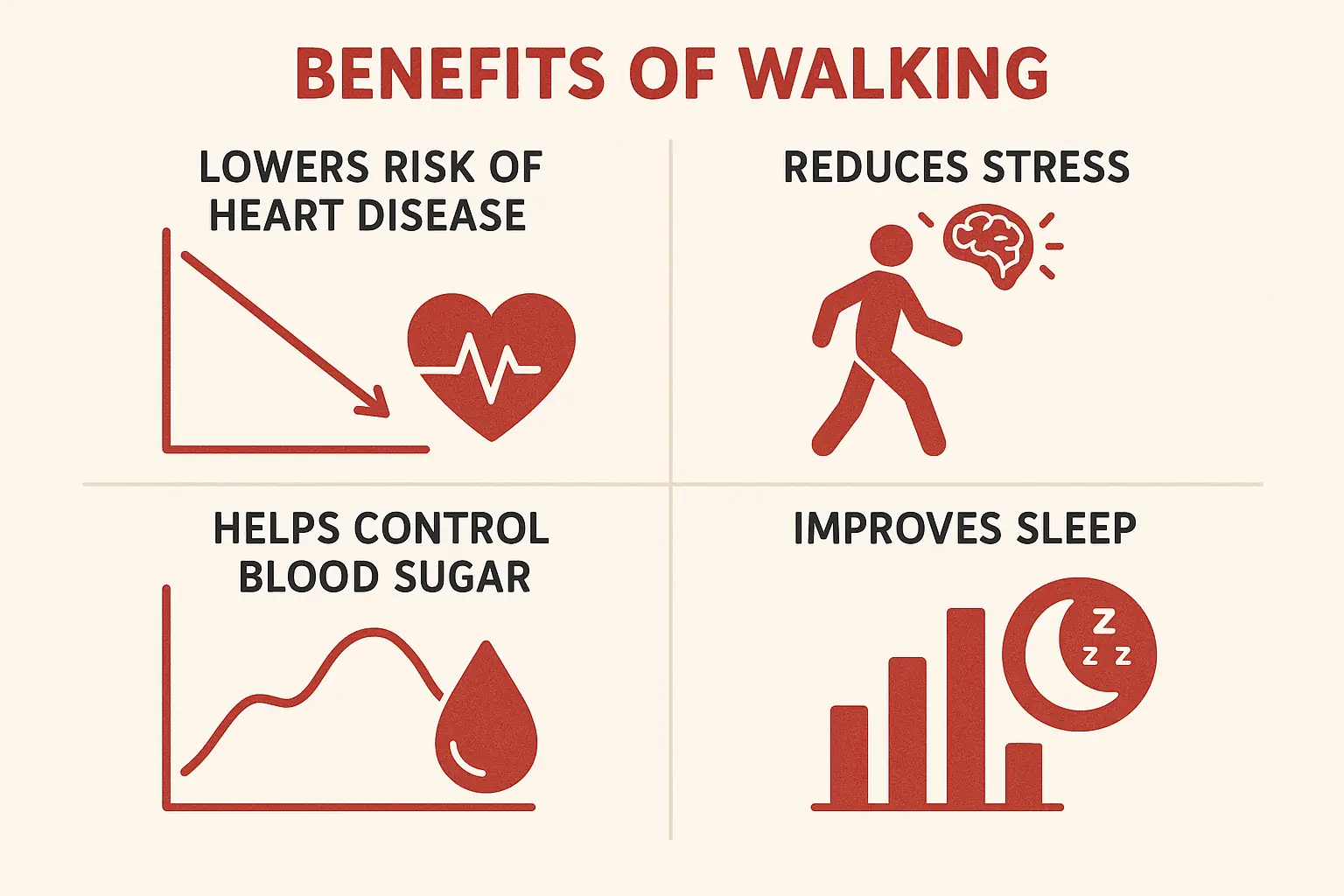
Walking 7,000 steps daily improves cardiovascular health
and helps regulate blood pressure and cholesterol levels.
According to the American Heart Association,
walking 7,000–8,000 steps a day can reduce the risk of heart attack by over 50%.
Regular walking increases muscle and joint flexibility and positively affects chronic pain relief.
The Relationship Between Mental Well-being and Walking
Walking stimulates the release of serotonin and endorphins in the brain,
greatly aiding stress relief and mood enhancement.
A 2025 domestic study confirmed that people who walk more than 30 minutes daily
show a significant reduction in depressive symptoms.
Additionally, walking in nature adds mindfulness effects,
improving concentration and psychological stability.
Scientific Basis for the 7,000 Steps Goal
7,000 steps align with the minimum daily physical activity
recommended by WHO and various health organizations.
This target goes beyond step counting,
representing an optimized goal for maintaining physical energy expenditure and mental vitality.
Walking is essential movement for modern people who spend much time sitting,
and combined with digital detox,
it can yield even greater wellness benefits.

The Effects of 7,000 Steps — An Invitation to a Healthy Routine
Consistently walking 7,000 steps a day can bring various positive changes to both body and mind.
Improved Cardiovascular Health
Consistent walking strengthens heart pump function,
facilitates blood circulation,
and improves vascular elasticity.
It lowers the risk of chronic diseases like heart disease and diabetes,
contributing to extending healthy lifespans in the long term.
Stress Reduction and Mood Enhancement
Walking lowers cortisol, the stress hormone,
and promotes the release of neurotransmitters that induce happiness.
As a result,
anxiety decreases,
and a natural sense of connection with oneself deepens.
Weight Management and Metabolic Boost
Walking 7,000 steps boosts basal metabolic rate and promotes fat burning,
making it effective for weight management.
Specifically,
regular walking improves blood sugar regulation,
aiding diabetes management.

My Walking Experience — The Beginning of Change
I have personally felt physical and mental changes through walking 7,000 steps daily.
Increased Energy Through Walking
At first, it was a bit tough, but after about a month of consistent walking,
my fatigue lessened and concentration improved significantly throughout the day.
This experience connected deeply with the inner energy
I had sensed through meditation and yoga practice.
Enhanced Peace of Mind and Concentration
While walking,
focusing on natural sounds allowed me to experience a moving meditation state.
This habit helped me calm my mind quickly even in stressful daily situations.
Applying Changes in Daily Life
I actively created walking opportunities in daily life,
like planning walks with friends or taking short walks during lunch breaks.
I strongly felt that walking is a health routine easily applicable
even for busy modern individuals who find it hard to set aside extra time.

Practical Tips for Achieving 7,000 Steps a Day
Here are practical ways to naturally integrate walking 7,000 steps into your daily routine.
Set a Specific Walking Time
Fixing a 20-30 minute walking time before work or after dinner helps maintain consistency.
For more details, see the
Find Walking Opportunities in Daily Life
Using stairs instead of elevators, walking short distances,
and taking brief walks during lunch are small but important habits.
Once habituated, you'll find yourself inadvertently covering
a significant part of your daily step goal.
Walk with Friends
Walking with someone serves as motivation
and offers great opportunities to share thoughts during the walk.
I often receive mental support and inspiration by walking with fellow meditation practitioners or friends.

The Science Behind the Power of Walking
Numerous studies support the positive effects of walking on physical and mental health.
Correlation Between Physical and Mental Health
Regular physical activity including walking is linked to reduced depression and anxiety,
and also helps improve circulation and strengthen immunity.
Walking and Brain Function Enhancement
Walking is known to increase the size of the hippocampus in the brain,
enhancing memory and learning abilities.
According to the American Psychological Association,
regular walking effectively slows cognitive decline.
Global Research Findings on Walking
Studies worldwide analyzing step counts and health indicators
consistently show that walking over 7,000 steps daily
is associated with reduced mortality and improved quality of life.
For more details, visit the
Walking is the most practical and effective health routine accessible to all.
Start walking 7,000 steps a day from today.
Consistent small steps create a big change in balancing body and mind.
If you want more wellness information,
please subscribe to the newsletter.
References
Services by Botonglee