Value Investing vs Growth Investing: Finding the Right Style for You
When it comes to stock investing, 'value investing' and 'growth investing' are two of the most prominent investment philosophies. Many individual investors struggle to decide which strategy best suits them. In this article, we'll explore the fundamental concepts of both investment styles, their pros and cons, and how to approach them in today's market environment. The goal is to provide practical guidance to help you discover a strategy that aligns with your personal investment profile.
It's important to remember that investing goes beyond simply learning theories; it’s about applying real market data and strategies that fit your own investment philosophy. By reading this post, you'll gain a clear understanding of the differences between value and growth investing, and hopefully discover your own style for maximizing long-term returns.
Understanding Value Investing and Growth Investing
What is Value Investing?
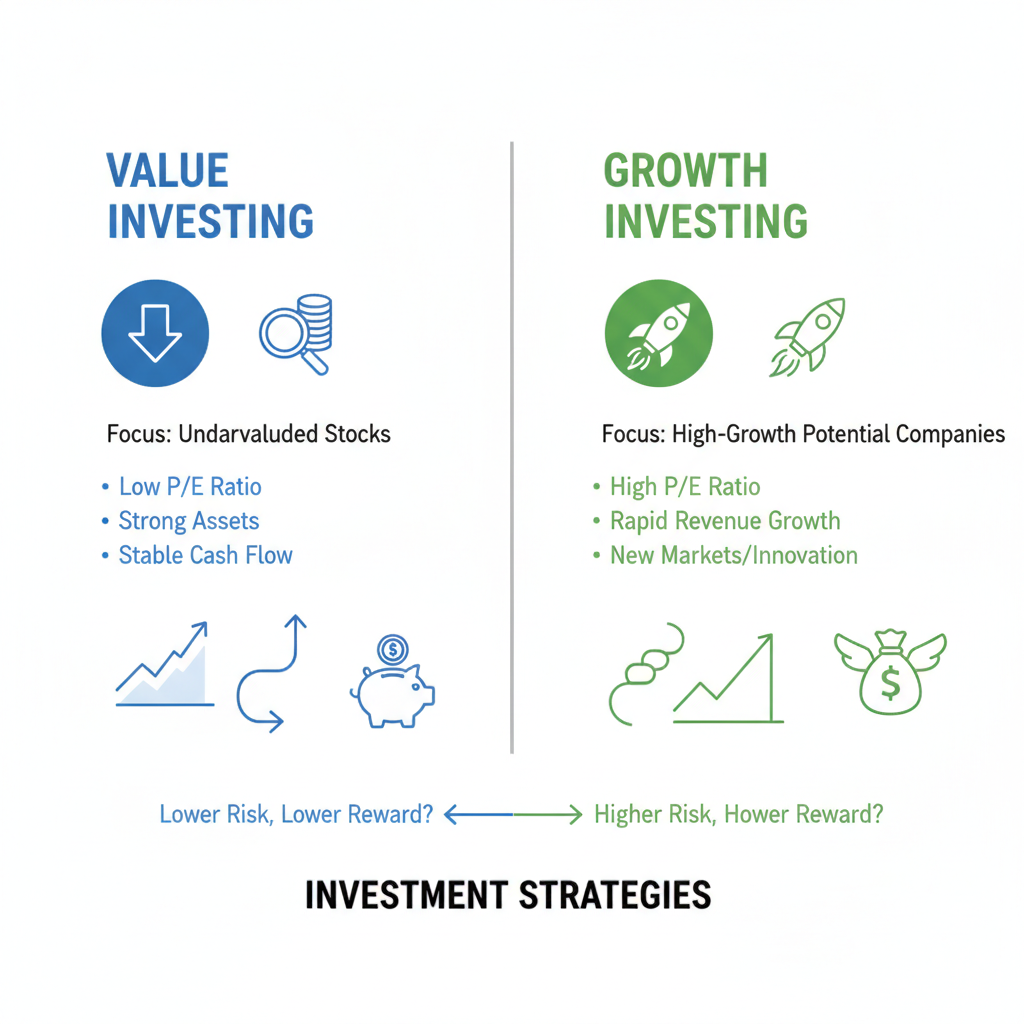
Value investing is an approach that involves identifying stocks that are undervalued in the market compared to their intrinsic value and investing in them for the long term. This philosophy, championed by Benjamin Graham and Warren Buffett, focuses on thoroughly analyzing a company’s fundamentals—such as its financial health, operating performance, and cash flow—to secure a 'margin of safety.' In essence, value investors buy when a stock’s market price is lower than the company’s actual worth, aiming to realize profits as the market eventually recognizes and reflects the true value.
What is Growth Investing?
Growth investing, on the other hand, targets companies expected to achieve significant increases in earnings and revenue in the future. Peter Lynch famously advocated finding growth stocks within industries you know well. Growth investors use indicators like the PEG ratio (Price/Earnings to Growth) to assess whether a stock’s price is reasonable relative to its growth prospects. This style seeks rapid returns by capitalizing on high growth potential and strong market expectations.
> Summary
> - Value Investing: Long-term investment in stocks undervalued relative to their intrinsic value, with a focus on margin of safety.
> - Growth Investing: Investing in companies with high growth potential, aiming for quick returns and rapid asset growth.
Recent Market Trends and Investment Environment
As of June 2026, both global and Korean stock markets are experiencing complex trends due to various factors. For example, Korea’s KOSPI index recently dropped over 2% to around 8,230, while the KOSDAQ rebounded by more than 6%, showing a stark contrast between the two. The KRW/USD exchange rate is also showing high volatility, hovering around 1,538 won per dollar.
Interest Rates and Macroeconomic Indicators
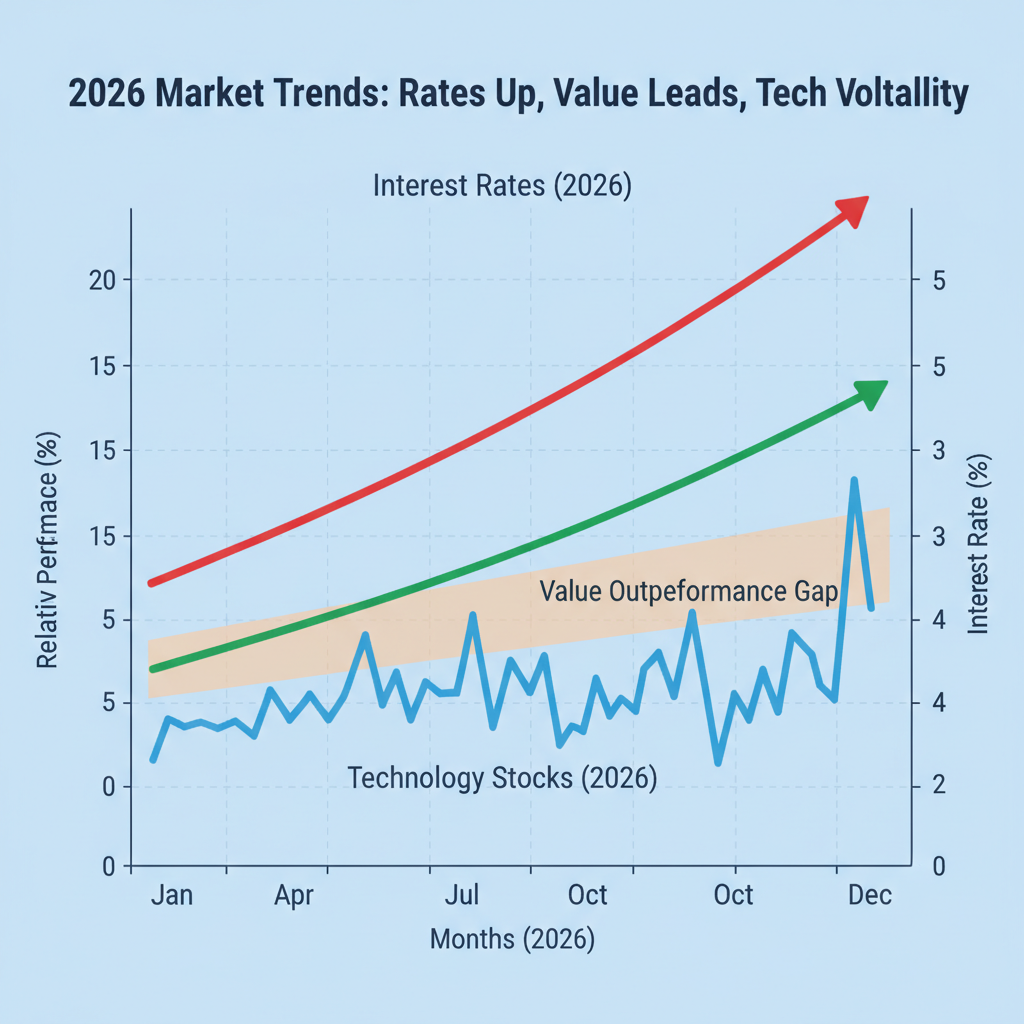
With the Bank of Korea and other major central banks maintaining tight monetary policies, the US Federal Reserve is also signaling further rate hikes. Higher interest rates tend to be a headwind for growth stocks but can make value stocks more attractive through increased dividend yields and undervaluation opportunities.
The Impact of AI, Tech Stocks, and Growth Sectors
In the US, the AI sector and semiconductor companies are regaining momentum, leading to a partial recovery in growth stock sentiment. However, the top seven big tech companies have underperformed expectations this year, preventing a full-scale rebound. In the Korean market, themes like semiconductors, secondary batteries, and green energy are drawing significant attention.
> For real-time market analysis and detailed investment strategies, check out the Value Investing Basic Guide and Growth Investing Strategies and Case Studies.
Pros and Cons of Value Investing
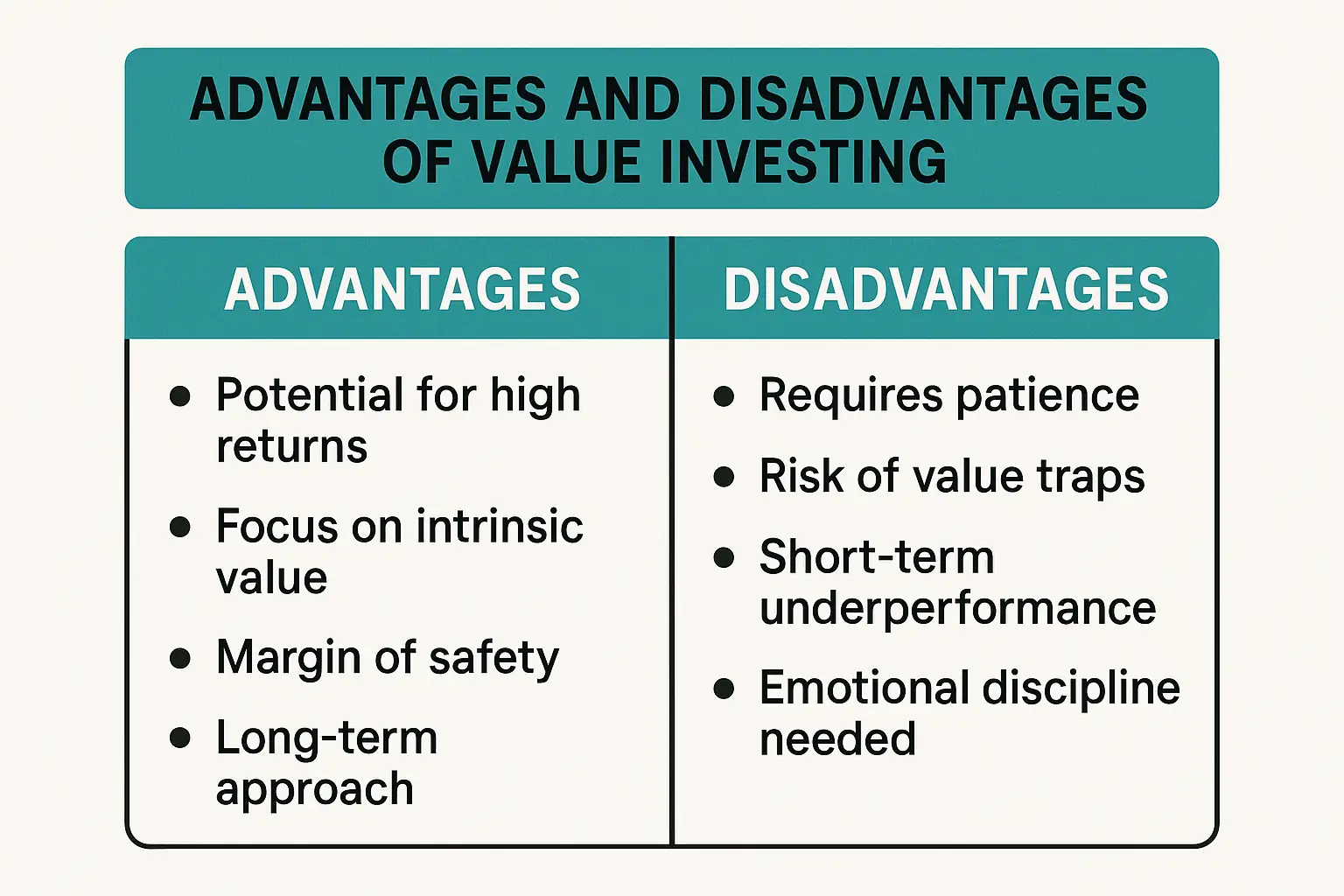
Advantages
Disadvantages
Who is Value Investing For?
Value investing is ideal for conservative investors who prioritize long-term stability and risk management. If you’re sensitive to economic cycles, the margin of safety can be a powerful tool.
Pros and Cons of Growth Investing
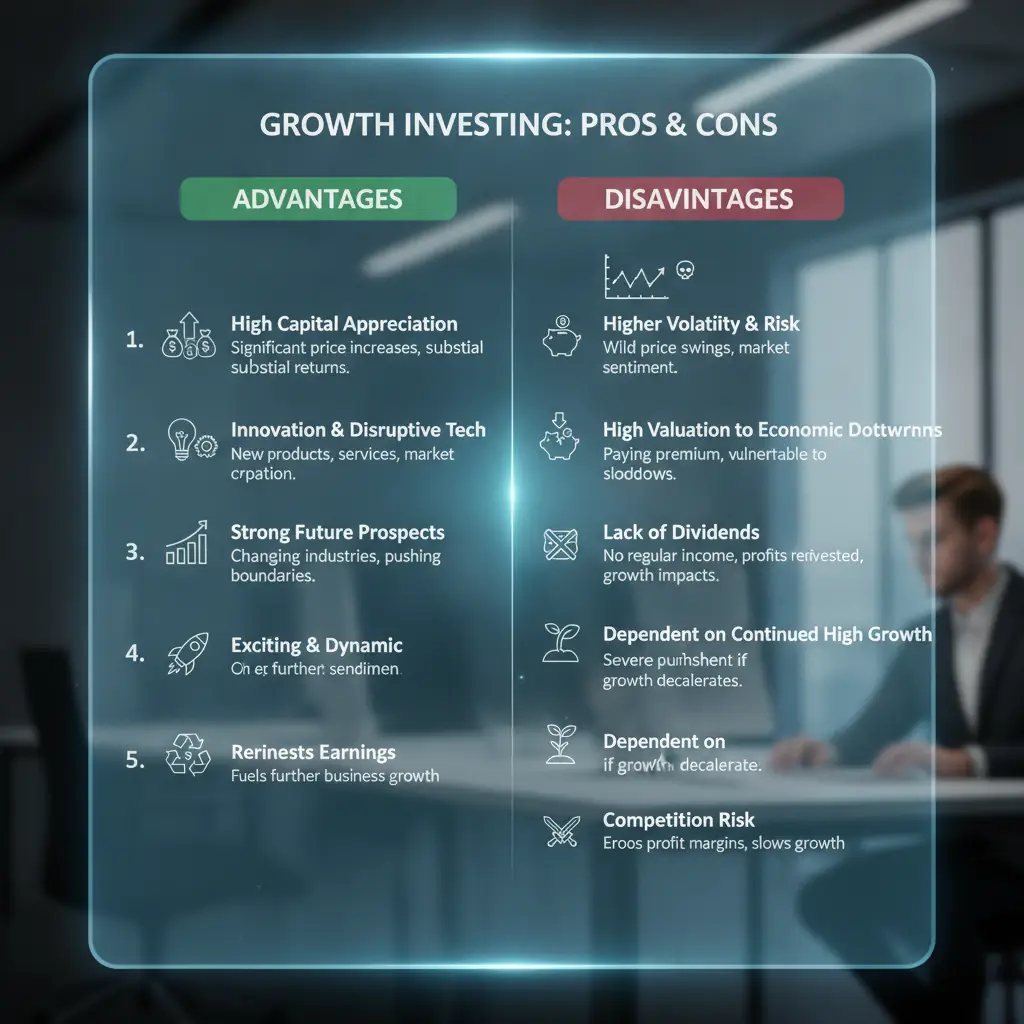
Advantages
Disadvantages
Who is Growth Investing For?
Growth investing is suitable for those willing to accept higher risk in pursuit of greater returns—often younger investors or those adept at reading and responding to market changes. It’s important to use quantitative indicators like the PEG ratio to avoid overpaying for stocks.
Which Investment Style Suits You?
When choosing your investment style, consider your investment horizon, risk tolerance, areas of interest, and market experience.
Long-Term Investing vs Short-Term Momentum
Interests and Understanding
> For a simple test and analysis to assess your investment profile, check out the [Personal Investment Profile Graph]() and the Beginner’s Guide to ETF Investing.
Conclusion: Building Your Own Portfolio Strategy
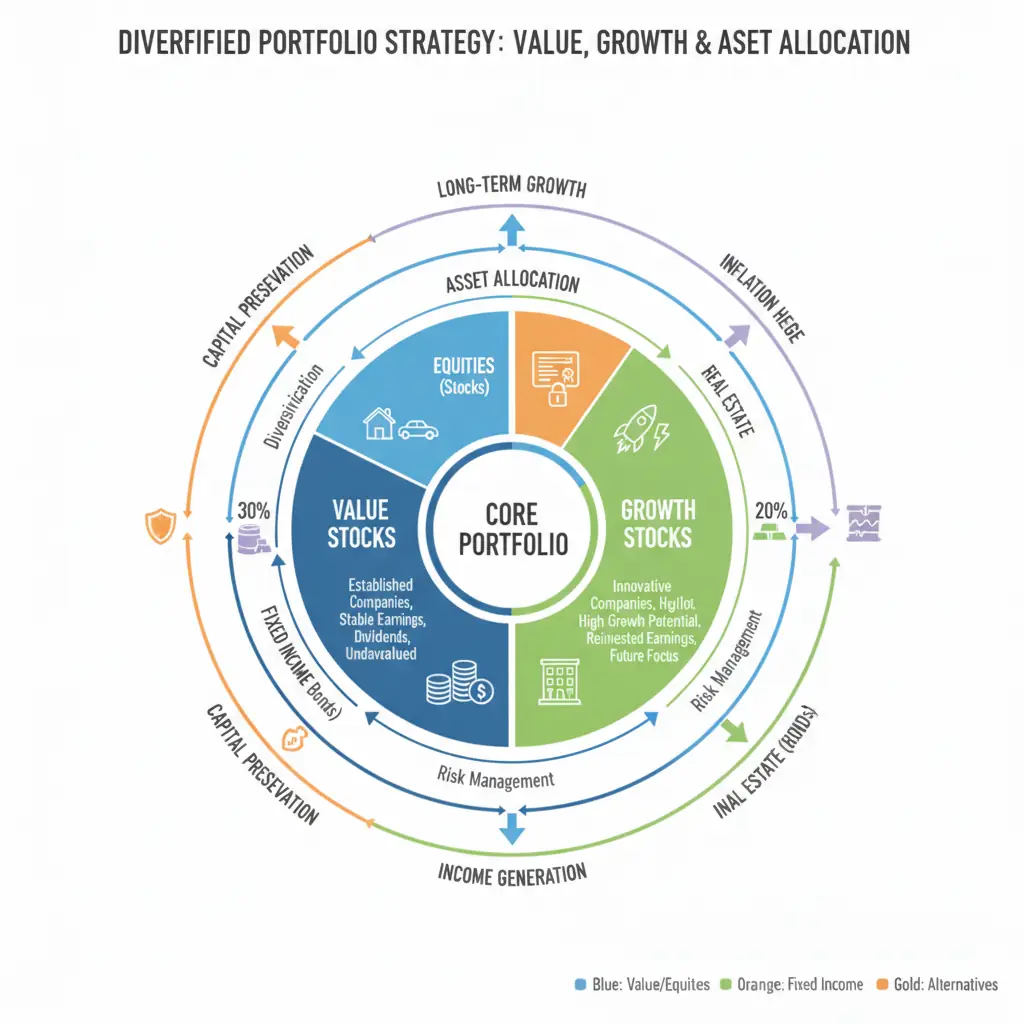
Rather than sticking exclusively to either value or growth investing, most individual investors will benefit from blending the strengths of both styles for a more practical and effective approach.
The Importance of Asset Allocation
As suggested by Ray Dalio’s All Weather Portfolio, applying principles of asset allocation and risk parity can help smooth out volatility and achieve stable returns. For example, you might allocate 60% of your portfolio to value stocks with solid fundamentals, 30% to high-potential growth stocks, and the remaining 10% to REITs, bonds, or cash-equivalents for diversification.
Risk Management and Margin of Safety
> For more on how small investors can use REITs, see REITs Investing: Earning Real Estate Income with Small Capital.
The most important thing in stock investing is to consistently practice an approach you understand and believe in. By mastering the principles of value and growth investing and adapting them to the current market environment, solid investment results will follow. I’ll continue to share the latest market trends and investment ideas, so subscribe to the newsletter and let’s grow together.
> Subscribe to the newsletter for the latest investment insights!
Reference Links
I hope this article helps you establish your investment philosophy and build a solid portfolio strategy. With continuous learning and practice, you can carve out your own path as an investor.
Services by Botonglee