Vitamin D — Is Sunlight Alone Enough? A Supplement Guide
Today, I want to dive deep into vitamin D,
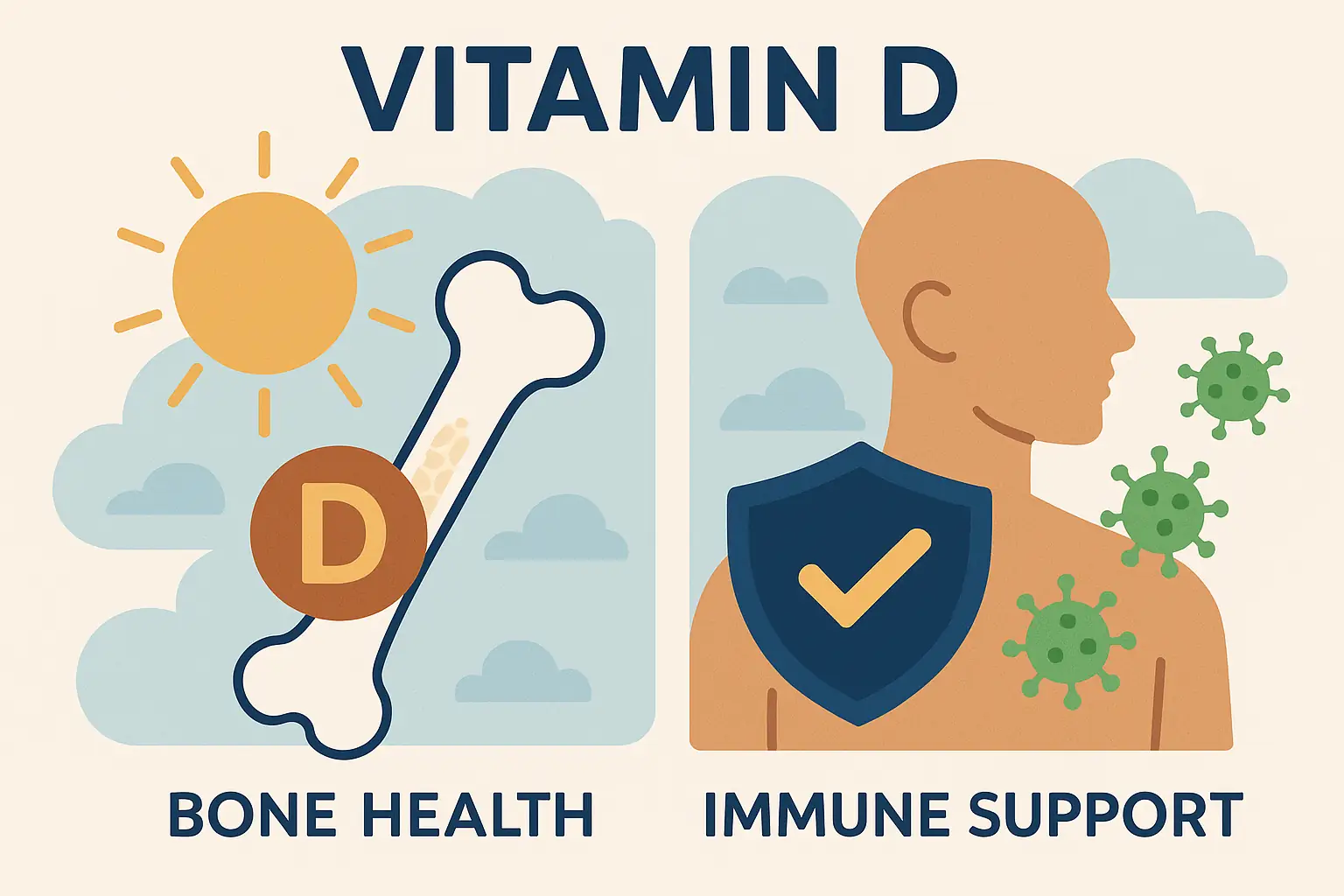
an essential nutrient for bone health,
immunity, and mental well-being.
Many people believe that sunlight alone
provides sufficient vitamin D,
but in reality,
this is often not the case.
In this article, I will provide practical and detailed information
about the importance of vitamin D,
limitations of sunlight exposure,
and choosing and using supplements wisely.
The Importance of Vitamin D
Vitamin D is essential for promoting calcium absorption,
which strengthens bones.
Moreover, ongoing research shows it strengthens the immune system
and positively affects psychological stability,
even helping prevent depression.
In fact, surveys both in Korea and globally
find many people deficient in vitamin D,
which can lead to chronic fatigue,
increased osteoporosis risk,
and weakened immunity.
Key Roles of Vitamin D
maintaining healthy bones and teeth.
reducing infections and inflammation.
lowering depression risk.
The WHO and the US NIH recognize
vitamin D deficiency as a public health issue
and recommend monitoring vitamin D levels
for healthy sleep and mental health.
For reference, Harvard Health Publishing's report
"Vitamin D and Health"
covers the broad health benefits of vitamin D in detail.
Is Sunlight Enough?
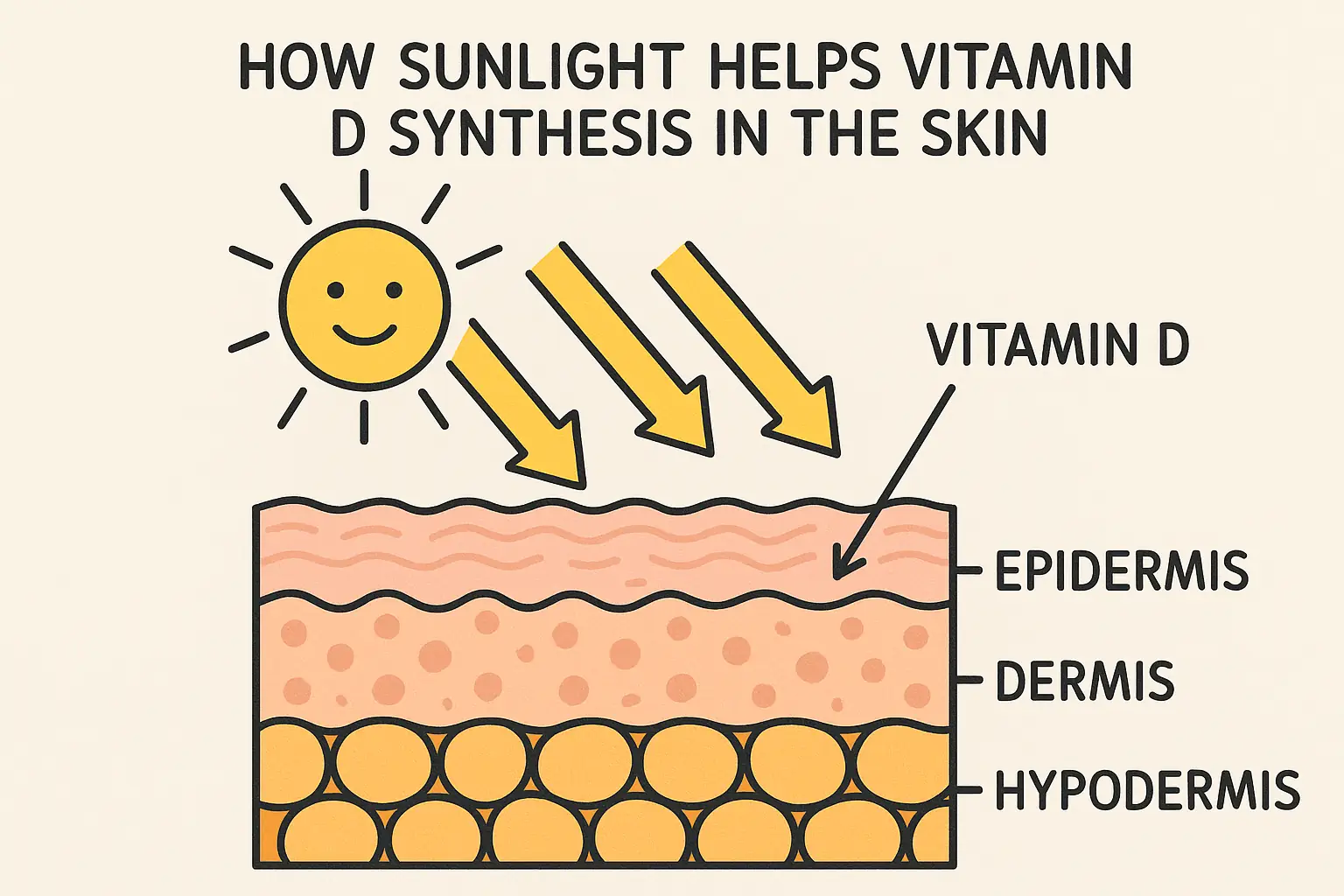
Vitamin D is naturally synthesized in the skin
when exposed to ultraviolet B (UVB) rays.
However, due to factors like season, location,
skin tone, age, and lifestyle,
obtaining enough vitamin D from sunlight alone
is often challenging.
For instance, UVB rays significantly decrease in winter,
and urban dwellers spending most time indoors
often face shortages.
One personal case involved a meditation student
who complained of fatigue and poor concentration during winter;
tests revealed severely low vitamin D levels.
By intentionally increasing sunlight exposure,
adjusting diet, and taking supplements,
their symptoms improved significantly.
Factors Affecting Sunlight Exposure
Given these factors, the amount of sunlight needed
varies by individual,
making it difficult to rely on a single standard.
For more precise information,
you can refer to the NIH's Vitamin D Fact Sheet.
The Need for Vitamin D Supplements
Regardless of your environment,
supplements can be crucial,
especially in the following cases:
obesity, indoor lifestyle, etc.
Personally, due to my busy schedule limiting sunlight exposure,
I take vitamin D supplements consistently.
After supplementation, I feel lighter
and more focused during meditation,
likely reflecting improved immunity and brain function.
Recent studies report links between vitamin D deficiency and depression,
reinforcing its importance for mental health.
How to Choose the Right Supplement
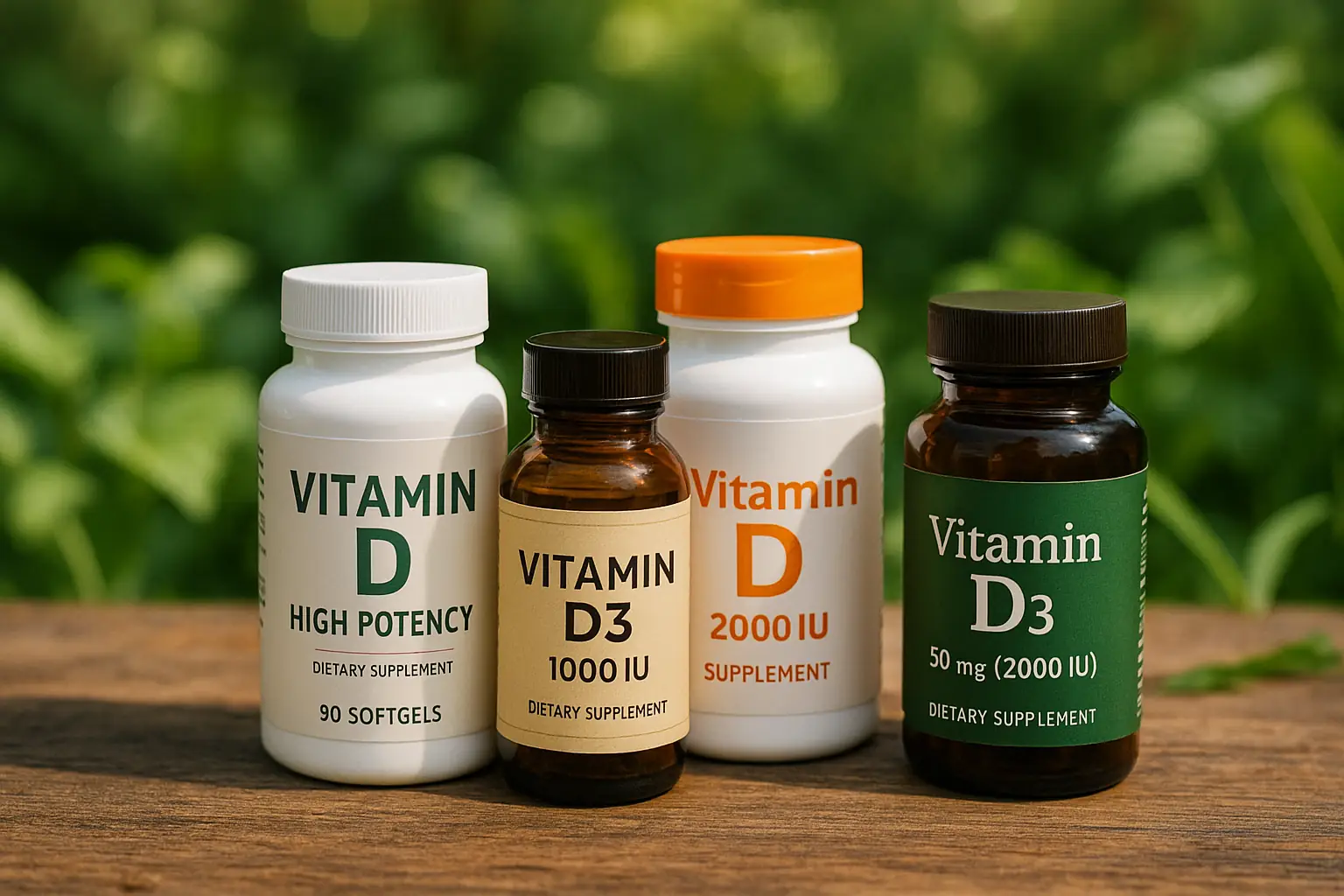
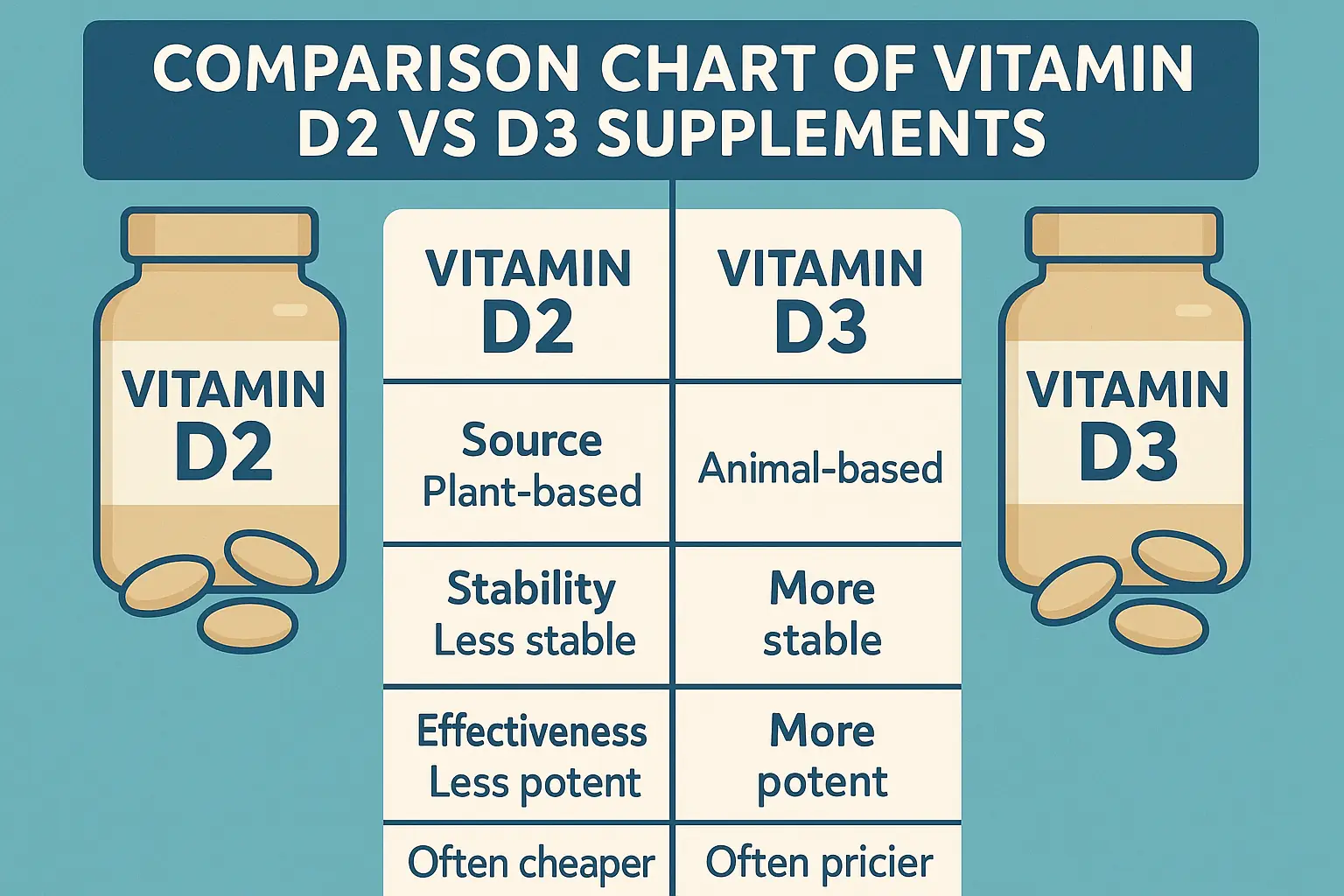
Vitamin D supplements come mainly in two forms:
D2 (ergocalciferol) and D3 (cholecalciferol).
Scientific studies indicate that D3 raises and maintains
blood vitamin D levels more effectively.
It is also essential to check product quality,
purity, and safety.
I personally select trusted brands
and adjust dosage based on health checks and consultations.
Supplement Selection Tips
look for D2 or vegan-certified D3 products.
For detailed product comparisons and guidelines,
visit WebMD's vitamin D page.
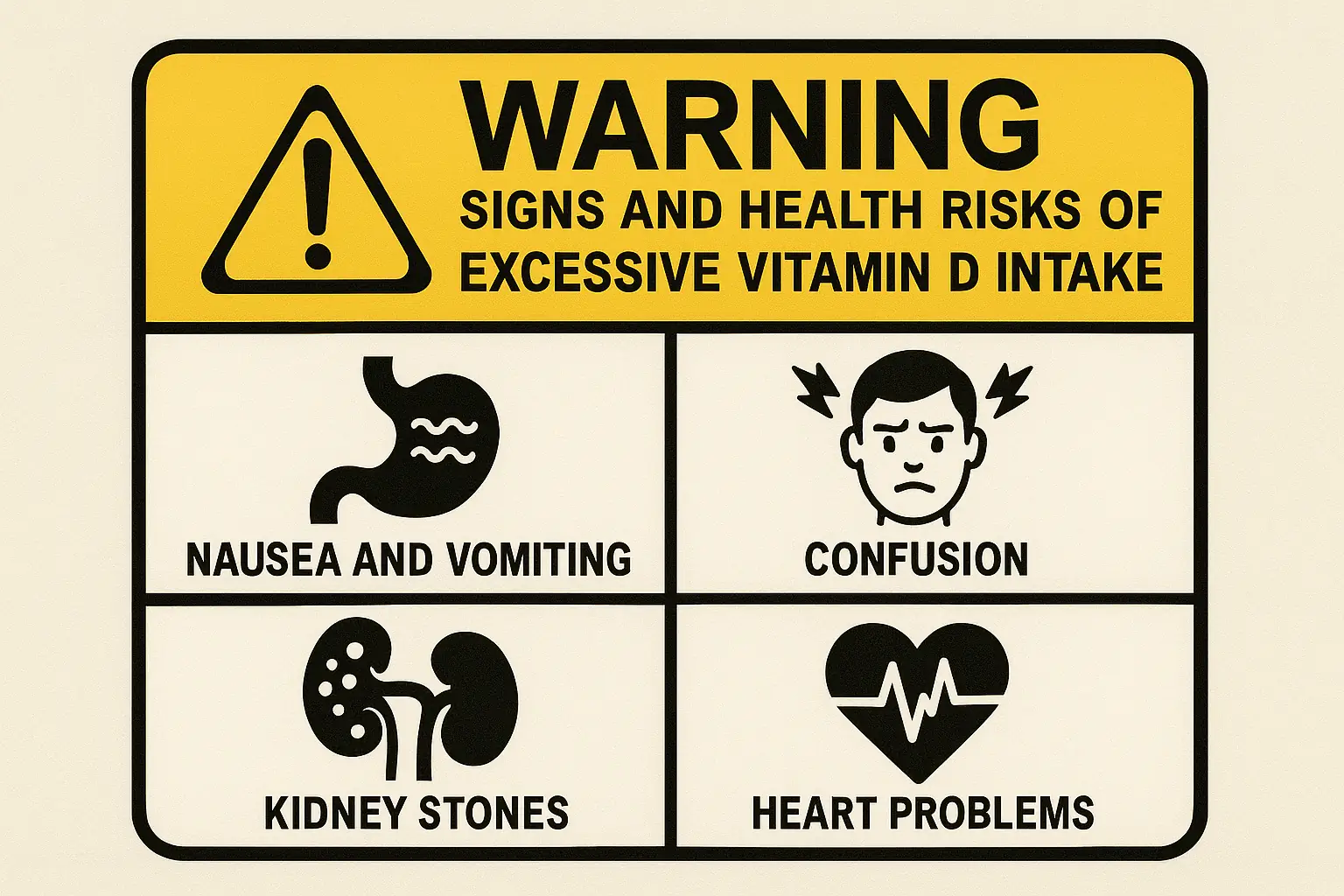
Precautions Against Excessive Vitamin D Intake
Vitamin D is fat-soluble,
so excessive intake can accumulate in the body
and cause toxicity.
Overdose can lead to hypercalcemia,
kidney damage,
vomiting, and loss of appetite.
Therefore, considering personal health
and consulting a doctor before supplementation
is safest.
Regular blood tests to monitor vitamin D levels
and adherence to recommended doses
are important.
The NIH recommends that adults
not exceed 4000 IU per day
unless under medical supervision.
Closing Thoughts — Adding Vitamin D to Your Healthy Routine
Vitamin D is a crucial pillar
in health routines balancing body and mind.
Along with natural energy from sunlight,
it is wise to use scientifically supported supplements
when necessary.
Soon, through the WECOSMO K-Meditation Wellness Platform
I am preparing to launch,
I will offer diverse resources and solutions
for body and mind health.
I encourage you to practice healthy habits consistently
and regularly check your vitamin D status.
If you want more in-depth health insights,
please subscribe to my newsletter.
I will share the latest research and practical tips
with sincerity.
Sincerely, Sujin Lee (Botonglee)
References and Links
Services by Botonglee