One Photographer or Two? What Actually Changes in Korean Wedding Ceremony Photography
When you start looking into wedding photography, one of the first decisions is how many photographers to book. It is where the quotes diverge, so it deserves thought — but what actually changes is rarely explained clearly.
Here is what I have seen shooting ceremonies.
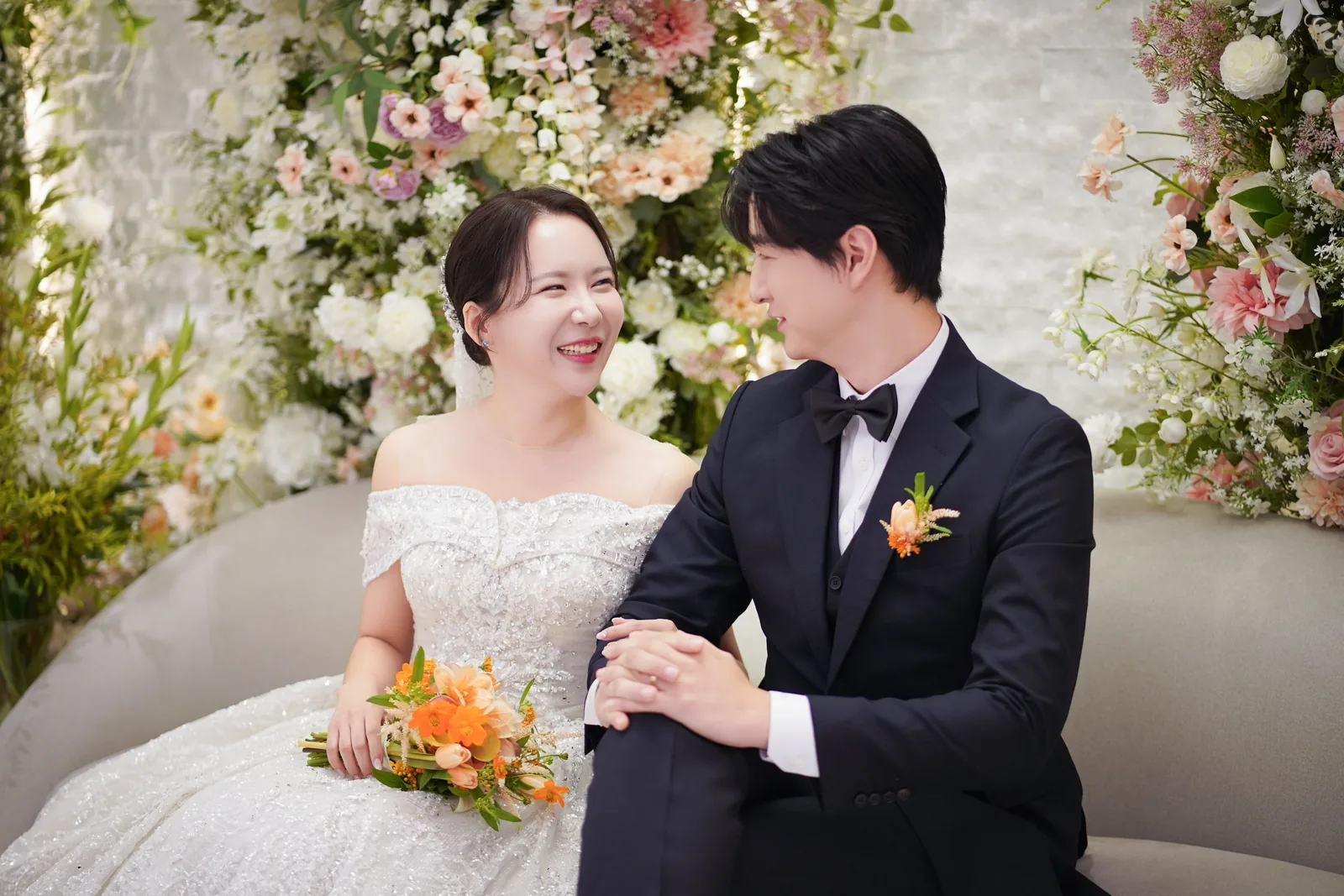
What a single photographer captures
One photographer gives you the essential record of the day. How the ceremony unfolded, how the two of you looked — none of it goes missing. It keeps the cost down while securing the coverage that matters.
A ceremony follows a set sequence: entrance, vows, the song, the recessional, the group portraits. One person can follow that order without difficulty.
What a second photographer adds
Adding one person changes two things.
First, you get more moments where nobody is looking at the camera. While one photographer covers the front, the other can move to a different position. The smile toward a friend in the crowd, a parent's expression while watching — unposed moments multiply.
Second, the same instant can be captured from two angles at once. The recessional can be shot from the front and from behind. The ring going on can be held both as hands and as faces. A moment that happens once becomes two perspectives.
Whether that matters depends on what you want to keep. If the goal is a record of the ceremony, one is enough. If you want the atmosphere of the day as well, two has the advantage.
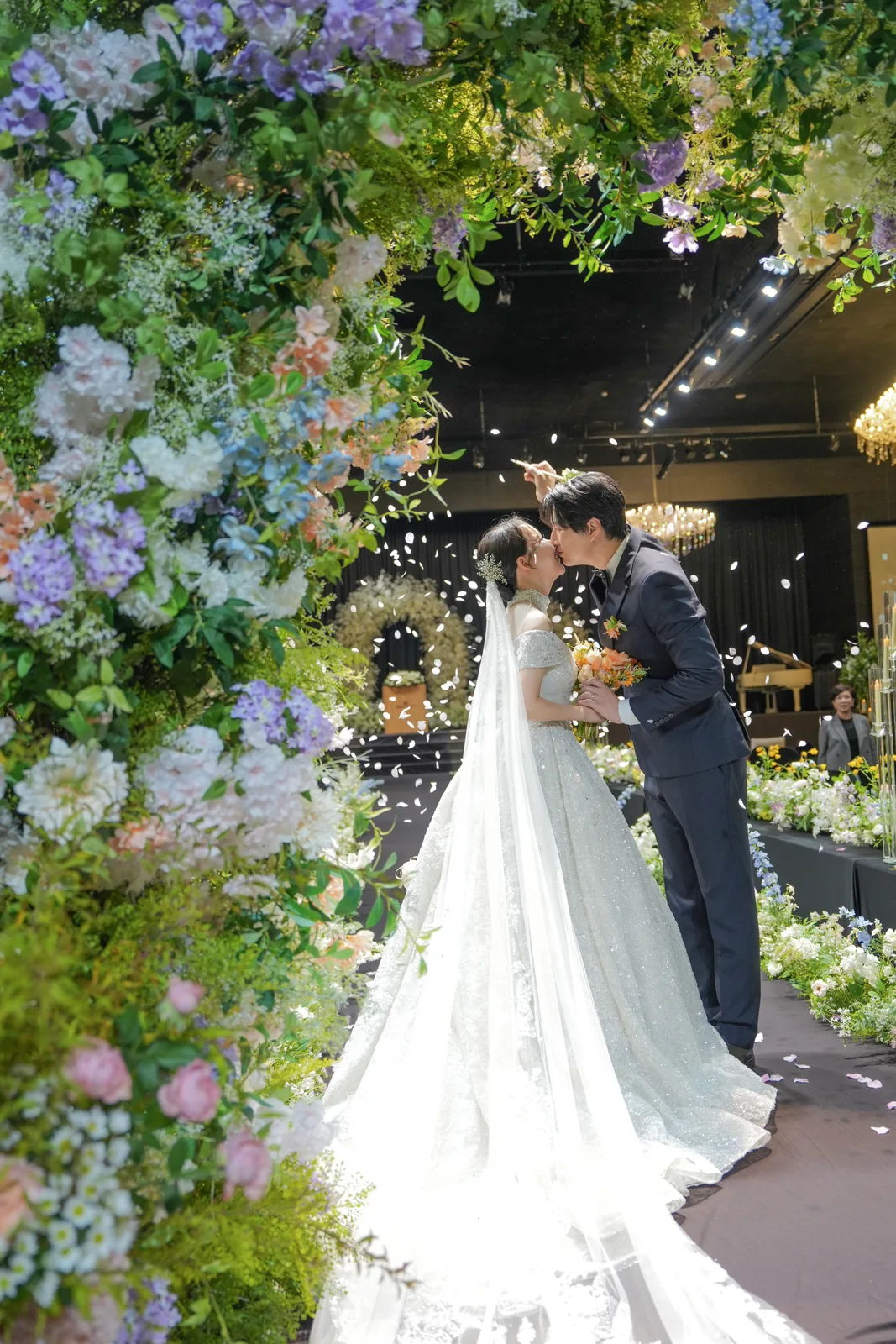
Lead or second shooter, either works
Sometimes a couple has already booked a photographer and wants to add one more. In that case, bringing me in as the second shooter works just as well. The work is the same either way.
When the lead covers the front and the key moments while the second takes other angles and the guests, each person ends up where they can do their best work.
If you are looking for a female photographer
Some couples specifically want a woman behind the camera for the ceremony. The bridal room is one reason — there are moments, adjusting a dress or waiting quietly before the doors open, where it simply feels easier.
The reason I started photographing is simple. I liked being photographed, but I was always a little disappointed afterward. The composition would be perfect, and yet I did not look good in it. So I decided to do it myself.
I still look at the person before the frame — which angle suits them best, which expression actually looks like them. I try not to repeat the standard set of shots, and I think that habit comes from fifteen years of working as a designer.
Booking me as a second shooter is equally welcome. If your lead photographer is already chosen and you want one more person, I take the other angles and the guest side. Lead or second, the work is the same.
Three things that change the result if you send them ahead
These three make a visible difference.
1. The ceremony schedule
Knowing what happens when means being in position beforehand. Without it, you start moving after a moment has already begun, and the best expression passes in those few seconds. Anything venue-specific — a song, a special segment — matters most here.
2. Reference images of what you want
Send two or three photos you like. Composition, mood, anything. A single image is far more precise than "please make it beautiful." The same moment looks completely different depending on how it is framed, and that is hard to align in words.
3. What time you arrive at the bridal room
Bridal room coverage happens in a fixed window. Knowing your arrival time means planning how to use it. Arrive late and there are simply fewer photographs from that room.
What to include in your first message
With these five, I can confirm availability and explain how it would run.
The third matters more than people expect. If a videographer or someone filming on a phone will be working alongside, positions have to be sorted out beforehand. Discovering it on the day means spending the ceremony yielding space to each other.
Coverage
The standard range runs from the bridal room through the group portraits. It begins in the bridal room, covers the ceremony, and continues through the family and guest group photographs.
Anything that follows — a traditional post-ceremony rite, an afterparty — is arranged separately. If you have something scheduled after the ceremony, mention it when you write.
In short
If your date is set, get in touch early. Weekends fill quickly, so the sooner the schedule is discussed, the better.
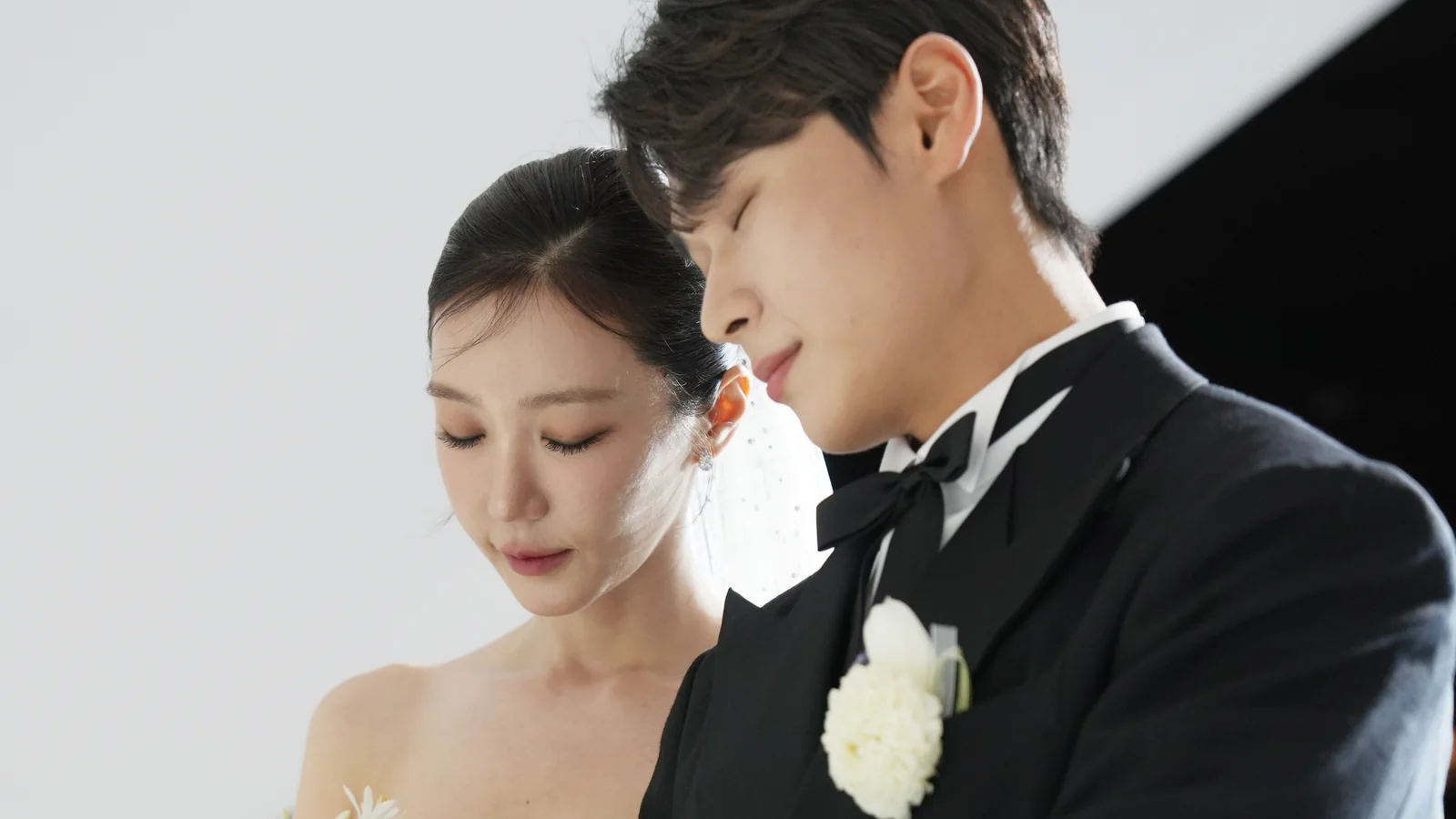
Booking information
Ask about ceremony photography
Looking for a female photographer for your ceremony, or a second shooter alongside the photographer you already have? Send the venue and the date and I will confirm availability.
Services by Botonglee