What Is Consciousness Growth? — The World of Awakening Beyond Meditation
Meditation and mindfulness are far more than simple stress-relief techniques; they are powerful tools that can spark profound inner transformation. From the perspective of consciousness growth, meditation becomes a journey of observing your thoughts and emotions objectively and discovering deeper layers of the self. In this article, we'll explore how meditation and mindfulness foster consciousness growth, along with practical methods you can apply in daily life.
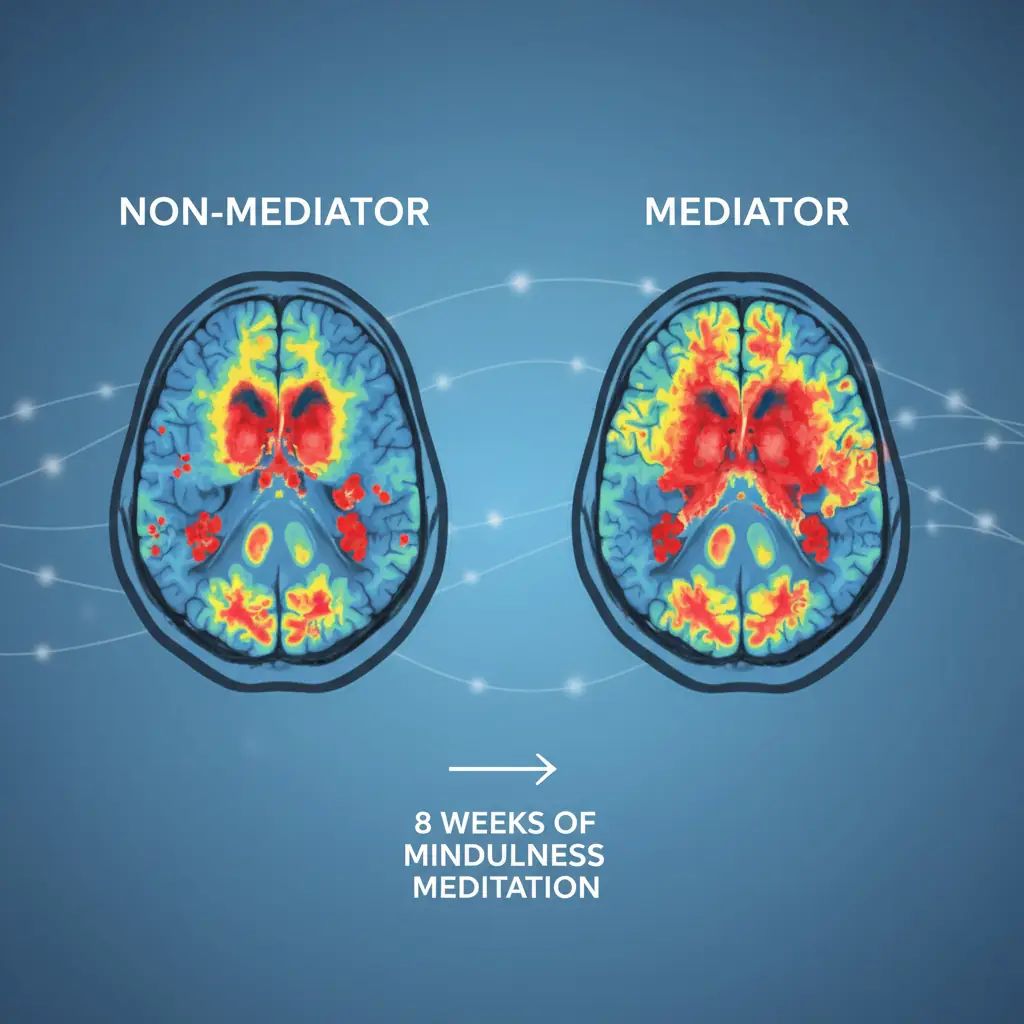
Scientific research continues to reveal that consistent meditation and mindfulness practice can lead to structural changes in the brain, improved emotional regulation, and much easier stress management in everyday life. In particular, K-meditation—a unique blend of traditional Korean meditation techniques and modern psychology—offers an effective wellness approach that honors cultural context while maximizing results.
Defining Consciousness Growth
Consciousness growth is not simply about achieving peace of mind; it is an ongoing process of deeply exploring and understanding your inner world. This journey involves developing self-awareness and the ability to recognize and regulate your emotions and thoughts. Meditation serves as a key tool in facilitating this growth.
Such growth goes beyond mere stress relief, offering new insights into your relationship with yourself and the world around you.

Meditation Practice: A Step-by-Step Guide
For those new to meditation and mindfulness, here is a six-step meditation practice designed to be accessible for beginners and to include the essential elements for consciousness growth.
Step 1: Sit Comfortably
> If you have back discomfort, use a cushion or lean against a wall for support.
Step 2: Close Your Eyes and Focus on Your Breath
> For better results, try inhaling for 4 seconds and exhaling for 6 seconds, making your exhalation longer than your inhalation.
Step 3: Observe Your Thoughts
Step 4: Accept Emotions and Sensations
Step 5: Continue for 5–10 Minutes
Step 6: Integrate Mindfulness into Daily Life
> Even in a busy schedule, a 5-minute meditation during your commute or before bed can noticeably reduce stress.
By consistently following these steps, anyone can experience mindfulness and consciousness growth in daily life.

Scientific Evidence: How Meditation Affects the Brain
The effects of meditation on the brain and body have been demonstrated in numerous neuroscience studies, including the following key findings:
These findings show that meditation induces both structural and functional changes in the brain, playing a significant role in stress management and emotional wellness. K-meditation, in particular, combines traditional breathing techniques with modern psychological skills to maximize these benefits.
If you want to experience deeper effects from meditation, check out our recent blog post on Digital Detox Meditation, which offers practical tips for healing your mind by spending 30 minutes without your smartphone.
Personal Experience: Transformation Through Meditation
When I first started meditating, I found it difficult to focus and my mind often wandered. I experienced the same challenges many beginners face. However, after maintaining a habit of meditating for 10 minutes each morning for three weeks, I noticed a gradual quieting of my inner noise and an increased ability to manage emotional ups and downs.
At first, my mind was crowded with thoughts, making meditation feel challenging. But as I practiced observing my thoughts without judgment, my mind began to feel lighter. Especially during stressful moments at work, taking a brief pause to close my eyes and focus on my breath quickly eased my anxiety and tension.
As mindfulness became a part of my daily life, I noticed smoother relationships with my family and a boost in self-esteem. These changes went beyond simple healing—they were part of a deeper process of consciousness growth.

K-meditation: Blending Tradition and Modernity
K-meditation is a unique approach that reinterprets the depth of traditional Korean meditation to fit modern psychology and wellness trends.
Because K-meditation is tailored to Korean sensibilities and ways of life, it offers a sense of familiarity and sustainability distinct from Western meditation styles. The fusion of Korean tradition and modern science is gaining attention in the wellness market as well.

Consistent Practice: How Much Is Enough to See Results?
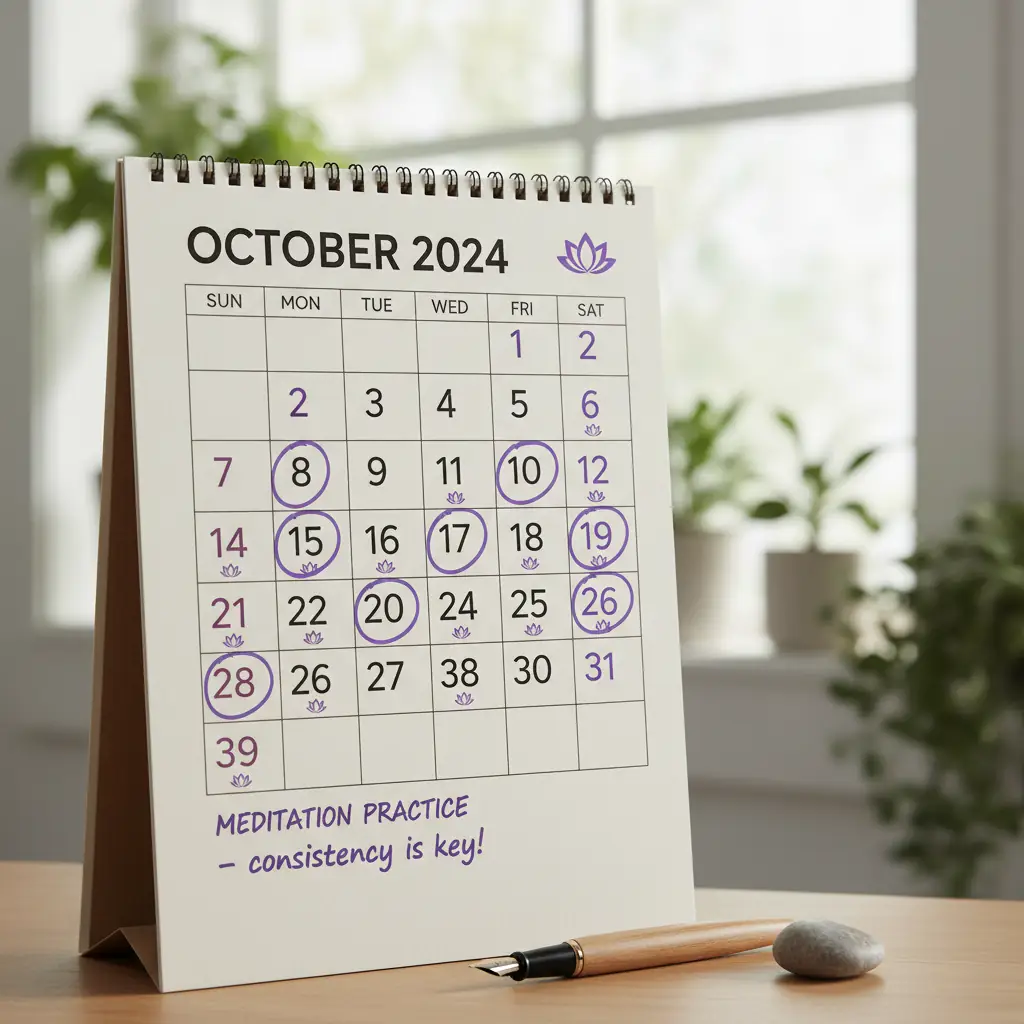
While some benefits of meditation can be felt immediately, deeper changes come with steady, ongoing practice.
> Practicing meditation three times a day—right after waking up, after lunch, and before bed—can help maintain its effects and further reduce stress.
With consistent meditation, you can move beyond short-term healing and experience profound consciousness growth. Let go of impatience and focus on observing small daily changes.
Meditation and mindfulness are not just methods for relaxation—they are journeys of consciousness growth that help you realize your true nature and enrich your life. Start small with the step-by-step practices and K-meditation approach introduced here. With regular meditation, your mind and body will become healthier and more peaceful.
If you want more in-depth meditation practices and mindfulness tips, subscribe to our newsletter and receive the latest content. Daily mindfulness practice will be a strong foundation for your consciousness growth.
Reference Links
Begin your journey of consciousness growth through meditation and mindfulness. Subscribe to our newsletter for more tips and insights!
Services by Botonglee