← 블로그 목록으로
투자

찰리 멍거의 지혜로 시장을 탐색하는 이번 주 투자 체크리스트

공유

안녕하세요, 보통리입니다.

Hello, this is Botonglee.

변동성이 큰 시장 속에서 중심을 잡기 위한 지혜가 그 어느 때보다 필요한 시점입니다.

In a volatile market, wisdom to stay centered is needed more than ever.

이번 주에는 찰리 멍거의 투자 철학을 나침반 삼아 현재 시장을 분석하고, 우리 개인 투자자들이 어떤 관점으로 접근해야 할지 실전 체크리스트 형식으로 함께 살펴보려 합니다.

This week, with Charlie Munger's investment philosophy as our compass, I want to analyze the current market and explore, in a practical checklist format, how we individual investors should approach it.

단순히 시장 동향을 훑어보는 것을 넘어, 멍거가 강조했던 '어떻게 하면 망할까?'라는 역발상적 질문부터 '능력의 원'을 지키는 투자 규율까지, 그의 깊은 통찰을 우리의 투자 결정에 어떻게 녹여낼 수 있을지 고민해 봅시다.

Beyond merely reviewing market trends, let's consider how we can integrate Munger's profound insights into our investment decisions, from his emphasized inverse question "How could we fail?" to the discipline of staying within our "circle of competence."

개인 투자자로서 우리는 거대한 시장의 파도 앞에서 흔들리기 쉽지만, 멍거의 지혜를 통해 견고한 투자 원칙을 세운다면 어떤 상황에서도 흔들리지 않는 뚝심 있는 투자자가 될 수 있을 것입니다.

As individual investors, we are easily swayed by the vast market waves, but by establishing solid investment principles through Munger's wisdom, we can become resilient investors who stand firm in any situation.

지금부터 이번 주 투자를 위한 보통리만의 체크리스트를 시작합니다.

Now, let's begin Botonglee's checklist for this week's investments.

거시경제 점검: '어떻게 망할까?' 역발상으로 위험을 피하라

Macroeconomic Review: Averting Risk with Inversion – 'How Could We Fail?'

멍거의 철학으로 거시경제를 분석하는 투자자

찰리 멍거는 투자에서 성공하는 것만큼이나 실패하지 않는 것이 중요하다고 강조했습니다.

Charlie Munger emphasized that not failing is as important as succeeding in investing.

그는 "어떻게 하면 망할까?"라는 역발상적 사고를 통해 잠재적인 위험 요소를 미리 파악하고 이를 피하는 데 집중했습니다.

He focused on identifying potential risk factors in advance and avoiding them through inverse thinking: "How could we fail?"

현재의 거시경제 환경을 멍거의 렌즈로 바라보며, 우리가 피해야 할 함정은 무엇인지 체크리스트 형태로 점검해 봅시다.
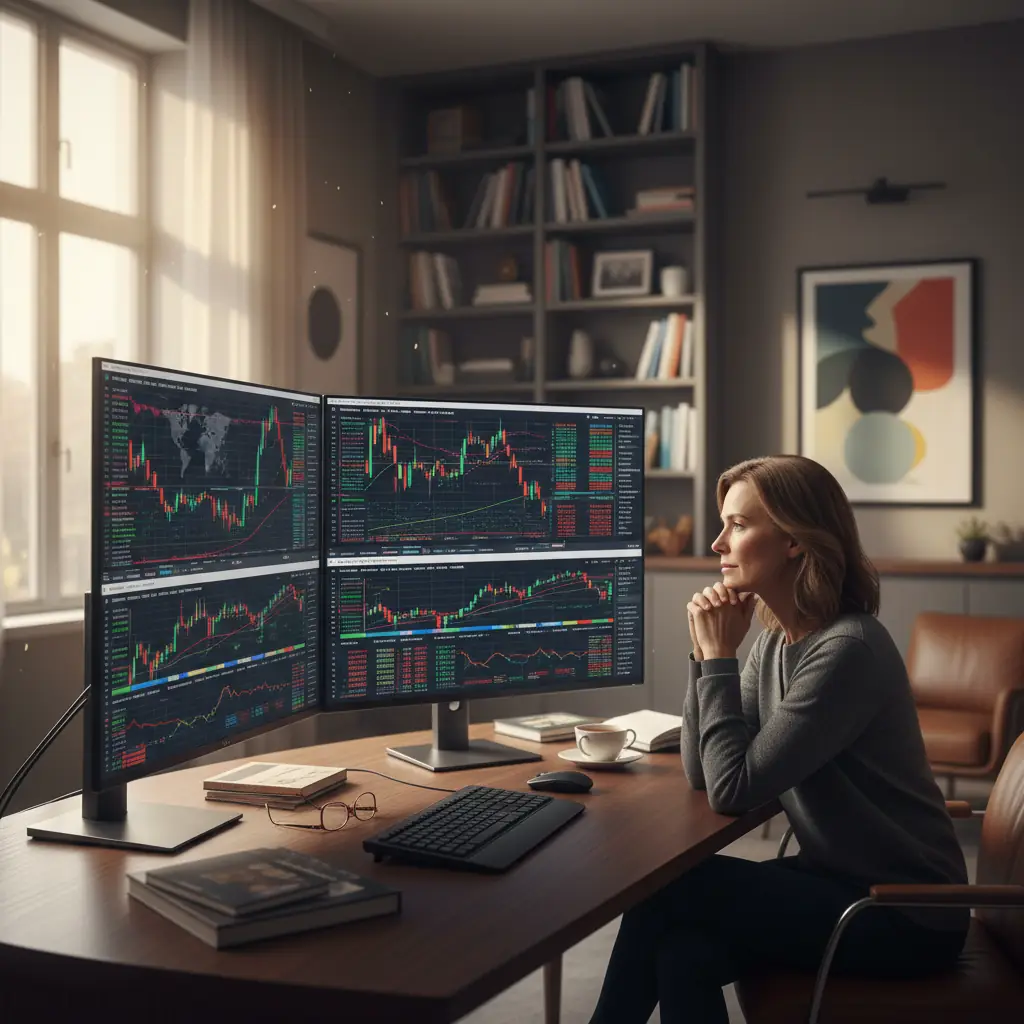
Let's examine the current macroeconomic environment through Munger's lens and check what pitfalls we should avoid, in a checklist format.

체크리스트 1: 인플레이션과 금리 방향성을 역으로 생각하라.

Checklist 1: Think inversely about inflation and interest rate trends.

최근 인플레이션 압력은 여전히 높지만, 일부 지표에서 완화 조짐이 보이고 있습니다.

Recent inflationary pressures remain high, but some indicators show signs of easing.

그러나 중앙은행의 긴축 기조가 예상보다 길어질 수 있다는 우려도 공존합니다.

However, concerns about a potentially longer-than-expected tightening stance by central banks also coexist.

여기서 우리는 "금리가 예상보다 더 오르거나, 더 오래 높은 수준을 유지하면 내 포트폴리오에 어떤 악영향이 있을까?"라고 역으로 질문해야 합니다.

Here, we should ask inversely, "What negative impact would it have on my portfolio if interest rates rise more than expected, or remain high for longer?"

고금리 환경이 지속될 경우, 부채가 많은 기업이나 성장주 중에서도 미래 현금흐름의 가치가 크게 할인되는 기업들은 특히 취약해질 수 있습니다.

If a high-interest rate environment persists, companies with high debt or growth stocks whose future cash flows are significantly discounted could become particularly vulnerable.

과도한 레버리지를 이용한 투자는 피하고, 현금흐름이 견고하며 부채 부담이 적은 기업에 집중하는 것이 중요합니다.

It is crucial to avoid investments with excessive leverage and to focus on companies with robust cash flow and low debt burdens.

체크리스트 2: 글로벌 경제 둔화 시나리오를 대비하라.

Checklist 2: Prepare for a global economic slowdown scenario.

각국 중앙은행의 긴축 정책과 지정학적 불안정은 글로벌 경기 둔화 가능성을 높이고 있습니다.

Tightening policies by central banks worldwide and geopolitical instability are increasing the likelihood of a global economic slowdown.

이 경우 "경기가 침체되면 어떤 산업이 가장 큰 타격을 받을까? 그리고 내 포트폴리오는 그 충격을 흡수할 수 있을까?"를 고민해야 합니다.

In this case, we must consider, "Which industries would be hit hardest if the economy enters a recession? And can my portfolio absorb that shock?"

필수 소비재, 유틸리티 등 경기 방어적인 섹터는 상대적으로 안정적일 수 있지만, 재량 소비재, 산업재 등 경기 민감 섹터는 큰 폭의 하락을 경험할 수 있습니다.

While defensive sectors like consumer staples and utilities might be relatively stable, cyclical sectors such as discretionary consumer goods and industrials could experience significant declines.

다각화된 포트폴리오를 유지하고, 경제 침체에도 불구하고 지속적인 수요가 있는 비즈니스 모델을 가진 기업에 주목하는 것이 현명합니다.

Maintaining a diversified portfolio and focusing on companies with business models that have sustained demand even during economic downturns is wise.

체크리스트 3: 환율 변동성 리스크를 점검하라.

Checklist 3: Check for exchange rate volatility risk.

강달러 현상이 지속되거나 반대로 급격한 약달러 전환이 발생할 경우, 수출입 기업의 실적과 해외 자산 가치에 큰 영향을 미칠 수 있습니다.

If a strong dollar trend persists or, conversely, there is a sharp depreciation of the dollar, it can significantly impact the performance of import/export companies and the value of overseas assets.

"환율이 예상과 다르게 움직인다면 내 해외 투자 자산 가치나 국내 기업의 수익성에 어떤 영향을 줄까?"라는 질문을 던져야 합니다.

We should ask, "If exchange rates move differently than expected, what impact will it have on the value of my overseas investments or the profitability of domestic companies?"

환율 변동성에 대한 헤징 전략을 고려하거나, 환율 변동에 강한 내성을 가진 기업을 선별하는 것이 중요합니다.

It is important to consider hedging strategies against exchange rate volatility or to select companies with strong resilience to currency fluctuations.

찰리 멍거는 항상 최악의 시나리오를 상정하고 이를 피하는 데 주력했습니다.

Charlie Munger always anticipated the worst-case scenario and focused on avoiding it.

단순히 낙관론에 휩쓸리지 않고, 발생할 수 있는 부정적인 상황들을 미리 예측하고 대비하는 것이 바로 멍거식 역발상 투자의 핵심입니다.

Not simply getting carried away by optimism, but preemptively predicting and preparing for potential negative situations, is the core of Munger's inversion-based investing.

기업 분석: 능력의 원 안에서 좋은 기업을 적정 가격에 찾아라

Company Analysis: Finding Good Businesses at Fair Prices Within Your Circle of Competence

돋보기로 기업 보고서를 분석하는 투자자

멍거는 우리가 이해하지 못하는 분야에 투자하는 것을 경계했습니다.

Munger cautioned against investing in areas we do not understand.

자신이 '능력의 원' 안에 머무는 것이 중요하며, 그 안에서 '좋은 기업을 적정 가격에' 사는 것을 강조했습니다.

He emphasized the importance of staying within one's 'circle of competence' and, within it, buying 'good companies at fair prices.'

단순히 싸다는 이유로 질 낮은 기업을 사는 것보다, 뛰어난 비즈니스 모델과 경영진을 갖춘 기업을 합리적인 가격에 사는 것이 훨씬 나은 투자라고 보았습니다.

He believed that buying excellent businesses with strong management at reasonable prices was far superior to buying poor-quality companies merely because they were cheap.

현재 주목할 만한 섹터나 테마를 멍거의 원칙에 따라 분석하는 체크리스트를 만들어 봅시다.

Let's create a checklist to analyze currently noteworthy sectors or themes according to Munger's principles.

체크리스트 1: '능력의 원'을 명확히 정의하고 지켜라.

Checklist 1: Clearly define and adhere to your 'circle of competence.'

최근 인공지능(AI), 로봇공학, 바이오테크 등 첨단 기술 섹터가 주목받고 있습니다.

Recently, advanced technology sectors such as Artificial Intelligence (AI), robotics, and biotechnology are gaining attention.

이러한 분야들이 매력적일 수 있지만, 우리는 "내가 이 기술과 비즈니스 모델을 깊이 이해하고 있는가?"라고 스스로에게 물어야 합니다.

While these fields can be attractive, we must ask ourselves, "Do I deeply understand this technology and business model?"

단순히 유행에 휩쓸려 투자하기보다는, 해당 산업의 본질, 경쟁 우위(해자), 장기 성장 동력을 명확히 파악할 수 있는 분야에만 집중해야 합니다.

Rather than simply investing based on trends, we should focus only on areas where we can clearly grasp the industry's essence, competitive advantages (moats), and long-term growth drivers.

만약 이해가 부족하다면, 시간을 들여 공부하거나, 차라리 해당 분야 투자를 포기하는 것이 멍거의 조언입니다.

If understanding is lacking, Munger's advice is to either spend time studying or simply forgo investing in that area.

체크리스트 2: 기업의 '해자(Moat)'를 철저히 분석하라.

Checklist 2: Thoroughly analyze a company's 'moat.'

좋은 기업은 경쟁자들로부터 자신의 이익을 보호할 수 있는 강력한 '해자'를 가지고 있습니다.

Good companies possess strong 'moats' that protect their profits from competitors.

소프트웨어, 반도체, 헬스케어 등 특정 섹터 내에서 독점적인 기술, 강력한 브랜드 파워, 네트워크 효과, 규모의 경제, 전환 비용 등 어떤 해자가 있는지 파악해야 합니다.

Within specific sectors like software, semiconductors, or healthcare, we need to identify what kind of moats exist, such as proprietary technology, strong brand power, network effects, economies of scale, or switching costs.

예를 들어, 특정 소프트웨어 회사가 고객들에게 필수적인 서비스를 제공하며 높은 전환 비용을 유발한다면, 이는 강력한 해자가 될 수 있습니다.

For instance, if a specific software company provides essential services to its customers and creates high switching costs, this can be a strong moat.

단순히 현재 실적이 좋다는 이유만으로 투자하기보다는, 장기적으로 경쟁 우위를 유지할 수 있는 비즈니스 구조를 가진 기업을 찾아야 합니다.

Rather than investing solely based on good current performance, we should seek companies with business structures that can maintain a competitive advantage in the long term.

체크리스트 3: 경영진의 자질과 윤리 의식을 평가하라.

Checklist 3: Evaluate the quality and ethics of management.

멍거는 기업의 가치 평가만큼이나 경영진의 중요성을 강조했습니다.

Munger emphasized the importance of management as much as a company's valuation.

최근 ESG(환경, 사회, 지배구조) 경영이 중요해지면서, 기업의 지속가능성에 대한 관심이 높아지고 있습니다.

With the growing importance of ESG (Environmental, Social, Governance) management, interest in corporate sustainability is increasing.

"이 기업의 경영진은 장기적인 가치 창출에 집중하는가? 주주 친화적인 정책을 펼치는가? 윤리적인 경영을 하는가?"를 질문해야 합니다.

We should ask, "Does this company's management focus on long-term value creation? Do they pursue shareholder-friendly policies? Do they conduct ethical management?"

단기적인 성과에만 집착하거나, 회사의 자산을 사적으로 유용하는 경영진은 결국 기업 가치를 훼손하고 투자자에게 손실을 안겨줄 수 있습니다.

Management that focuses solely on short-term performance or misuses company assets for personal gain can ultimately damage corporate value and inflict losses on investors.

좋은 기업은 좋은 경영진에서 시작됩니다.

A good company starts with good management.

체크리스트 4: '적정 가격'의 의미를 이해하고 기다려라.

Checklist 4: Understand the meaning of 'fair price' and wait.

멍거는 "위대한 기업을 터무니없는 가격에 사는 것보다 괜찮은 기업을 훌륭한 가격에 사는 것이 낫다"고 말했습니다.

Munger said, "It's better to buy a good company at a great price than a great company at a ridiculous price."

현재 시장은 일부 섹터에서 과열 양상을 보이기도 합니다.

The current market shows signs of overheating in some sectors.

"이 기업의 현재 가격이 본질 가치 대비 합리적인가? 미래 성장률을 감안해도 과도하게 비싼 것은 아닌가?"를 냉철하게 판단해야 합니다.

We must coolly judge, "Is the current price of this company reasonable compared to its intrinsic value? Is it excessively expensive even considering future growth rates?"

무조건 싼 주식을 찾는 것이 아니라, 좋은 기업이 일시적인 악재나 시장의 오해로 인해 '적정 가격' 혹은 그 이하로 거래될 때까지 인내심을 가지고 기다리는 것이 멍거식 투자의 핵심입니다.

The essence of Munger's investing is not blindly seeking cheap stocks, but patiently waiting until a good company is traded at a 'fair price' or below due to temporary setbacks or market misunderstandings.

투자 규율 확립: 멀티디시플리너리 사고와 인내로 기회를 포착하라

Establishing Investment Discipline: Seizing Opportunities Through Multidisciplinary Thinking and Patience

체스판 위에서 투자 전략을 짜는 모습

찰리 멍거는 투자 성공의 비결로 '멀티디시플리너리 사고'와 '인내' 그리고 '규율'을 항상 강조했습니다.

Charlie Munger always emphasized 'multidisciplinary thinking,' 'patience,' and 'discipline' as keys to investment success.

단순히 금융 지식만을 가지고 투자하는 것이 아니라, 심리학, 역사, 철학, 물리학 등 다양한 학문의 멘탈 모델을 격자처럼 엮어 복잡한 문제에 접근해야 한다고 보았습니다.

He believed that investing should not rely solely on financial knowledge, but rather approach complex problems by interweaving mental models from various disciplines such as psychology, history, philosophy, and physics, like a lattice.

그리고 확실한 기회가 올 때까지 인내심을 가지고 기다리며, 투자 원칙을 지키는 규율을 가져야 한다고 했습니다.

And he advocated for having the discipline to adhere to investment principles, patiently waiting until a clear opportunity arises.

이번 주 개인 포트폴리오 전략을 위한 멍거식 규율 체크리스트를 점검해 봅시다.

Let's review Munger's discipline checklist for our personal portfolio strategy this week.

체크리스트 1: '멀티디시플리너리 사고'로 투자 결정을 검증하라.

Checklist 1: Verify investment decisions with 'multidisciplinary thinking.'

어떤 투자 아이디어가 떠올랐을 때, 단순히 재무제표만 보지 말고 다양한 관점에서 검토해야 합니다.

When an investment idea comes to mind, we should not just look at financial statements, but examine it from various perspectives.

예를 들어, 특정 기업의 성장성을 분석할 때, 그 기업이 인간 행동의 어떤 심리적 패턴을 이용하는지(심리학), 과거 유사한 산업의 흥망성쇠는 어떠했는지(역사), 해당 기술이 물리적으로 어떤 한계를 가지는지(물리학) 등을 함께 고려해야 합니다.

For example, when analyzing a company's growth potential, we should consider what psychological patterns of human behavior the company exploits (psychology), what the rise and fall of similar industries were in the past (history), and what physical limitations the technology has (physics).

최근 특정 테마주가 급등할 때, 군중심리가 어떻게 작용하는지(사회심리학), 그리고 이러한 현상이 과거 어떤 투기 버블과 유사한지(경제사)를 생각해보는 것이 중요합니다.

When certain thematic stocks surge recently, it is important to consider how crowd psychology operates (social psychology) and how these phenomena resemble past speculative bubbles (economic history).

단순한 숫자를 넘어선 통찰을 얻기 위해 꾸준히 독서하고 사색하는 습관을 들여야 합니다.

We must develop a habit of continuous reading and contemplation to gain insights beyond mere numbers.

체크리스트 2: '확실한 기회'까지 현금을 보유하는 인내심을 길러라.

Checklist 2: Cultivate the patience to hold cash until a 'sure opportunity' arises.

멍거는 "현금은 옵션이다"라고 말했습니다.

Munger said, "Cash is an option."

지금처럼 불확실성이 높은 시기에는 시장의 과열 구간에서 무리하게 투자하기보다는, 좋은 기업이 예상치 못한 악재나 시장의 패닉으로 인해 저평가될 때까지 현금을 보유하고 기다리는 것이 현명합니다.

In times of high uncertainty like now, it is wise to hold cash and wait until good companies are undervalued due to unexpected bad news or market panic, rather than investing aggressively during market overheating.

"지금 당장 투자하지 않으면 뒤처질 것이다"라는 FOMO(Fear Of Missing Out)에 휩쓸리지 않고, 나의 투자 원칙에 부합하는 '팻 피치(Fat Pitch)'가 올 때까지 기다릴 수 있는 인내심과 규율이 필요합니다.

We need the patience and discipline to wait for a 'fat pitch' that aligns with our investment principles, without being swept away by FOMO (Fear Of Missing Out) that "if I don't invest now, I'll be left behind."

포트폴리오에 일정 수준의 현금을 유지하여, 시장에 큰 조정이 왔을 때 기회를 잡을 수 있는 여력을 확보하는 것이 중요합니다.

Maintaining a certain level of cash in the portfolio is crucial to secure the capacity to seize opportunities when a significant market correction occurs.

체크리스트 3: '과도한 분산'을 피하고 '확신 있는 소수'에 집중하라.

Checklist 3: Avoid 'excessive diversification' and focus on a 'confident few.'

멍거와 버핏은 진정으로 이해하고 확신하는 소수의 기업에 집중 투자하는 것을 선호했습니다.

Munger and Buffett preferred to concentrate their investments in a confident few companies they truly understood.

"내가 투자한 모든 기업의 비즈니스를 깊이 이해하고 있는가? 이 기업들이 진정한 경쟁 우위를 가지고 있다고 확신하는가?"라고 질문해야 합니다.

We must ask, "Do I deeply understand the business of every company I've invested in? Am I confident that these companies possess true competitive advantages?"

단순히 리스크를 줄인다는 명목으로 잘 알지 못하는 수많은 기업에 분산 투자하는 것은 오히려 리스크를 높일 수 있습니다.

Diversifying into numerous companies we don't fully understand, merely under the guise of reducing risk, can actually increase risk.

확실하게 분석하고 이해한 소수의 훌륭한 기업에 집중하고, 해당 기업에 대한 지식과 확신을 바탕으로 장기 보유하는 것이 멍거의 방식입니다.

Munger's approach is to concentrate on a few excellent companies that have been thoroughly analyzed and understood, and to hold them long-term based on knowledge and conviction.

체크리스트 4: 지속적인 학습과 원칙 고수로 '투자자 자신'을 개선하라.

Checklist 4: Improve 'yourself as an investor' through continuous learning and adherence to principles.

멍거는 매일 독서를 하고 끊임없이 배우는 '평생 학습자'였습니다.

Munger was a 'lifelong learner' who read daily and continuously learned.

시장은 항상 변하고 새로운 도전 과제를 제시합니다.

The market is constantly changing and presenting new challenges.

"나는 매일 배우고 성장하기 위해 어떤 노력을 하고 있는가? 나의 투자 원칙은 확고한가? 시장의 잡음에 흔들리지 않고 원칙을 지키고 있는가?"를 되돌아봐야 합니다.

We must reflect, "What efforts am I making to learn and grow daily? Are my investment principles firm? Am I adhering to my principles without being swayed by market noise?"

자신만의 투자 철학을 확립하고, 그것을 꾸준히 개선하며, 시장의 단기적인 등락에 일희일비하지 않고 장기적인 관점을 유지하는 것이 가장 중요합니다.

It is most important to establish one's own investment philosophy, continuously improve it, and maintain a long-term perspective without being swayed by short-term market fluctuations.

찰리 멍거의 가르침은 단순한 투자 기술이 아니라, 삶의 지혜와 통찰이었습니다.

Charlie Munger's teachings were not just investment techniques, but wisdom and insight for life.

이번 주에도 그의 지혜를 바탕으로 현명한 투자 결정을 내리시기를 바랍니다.

I hope you make wise investment decisions based on his wisdom this week.

---

핵심 요약: 찰리 멍거의 투자 철학을 바탕으로 거시경제 위험을 역발상으로 점검하고, 능력의 원 안에서 좋은 기업을 인내심 있게 찾아 규율 있는 투자자가 되는 것이 이번 주 시장을 탐색하는 핵심입니다.

Core Summary: Based on Charlie Munger's investment philosophy, the key to navigating this week's market is to check macroeconomic risks with inversion, patiently find good companies within your circle of competence, and become a disciplined investor.

작성자: 보통리 (Botonglee)

---

List of Image Prompts

* 거시경제 점검: '어떻게 망할까?' 역발상으로 위험을 피하라

멍거의 철학으로 거시경제를 분석하는 투자자

* 기업 분석: 능력의 원 안에서 좋은 기업을 적정 가격에 찾아라

돋보기로 기업 보고서를 분석하는 투자자

* 투자 규율 확립: 멀티디시플리너리 사고와 인내로 기회를 포착하라

체스판 위에서 투자 전략을 짜는 모습