How Many Sample Rounds Does Body-Specific Clothing Need?
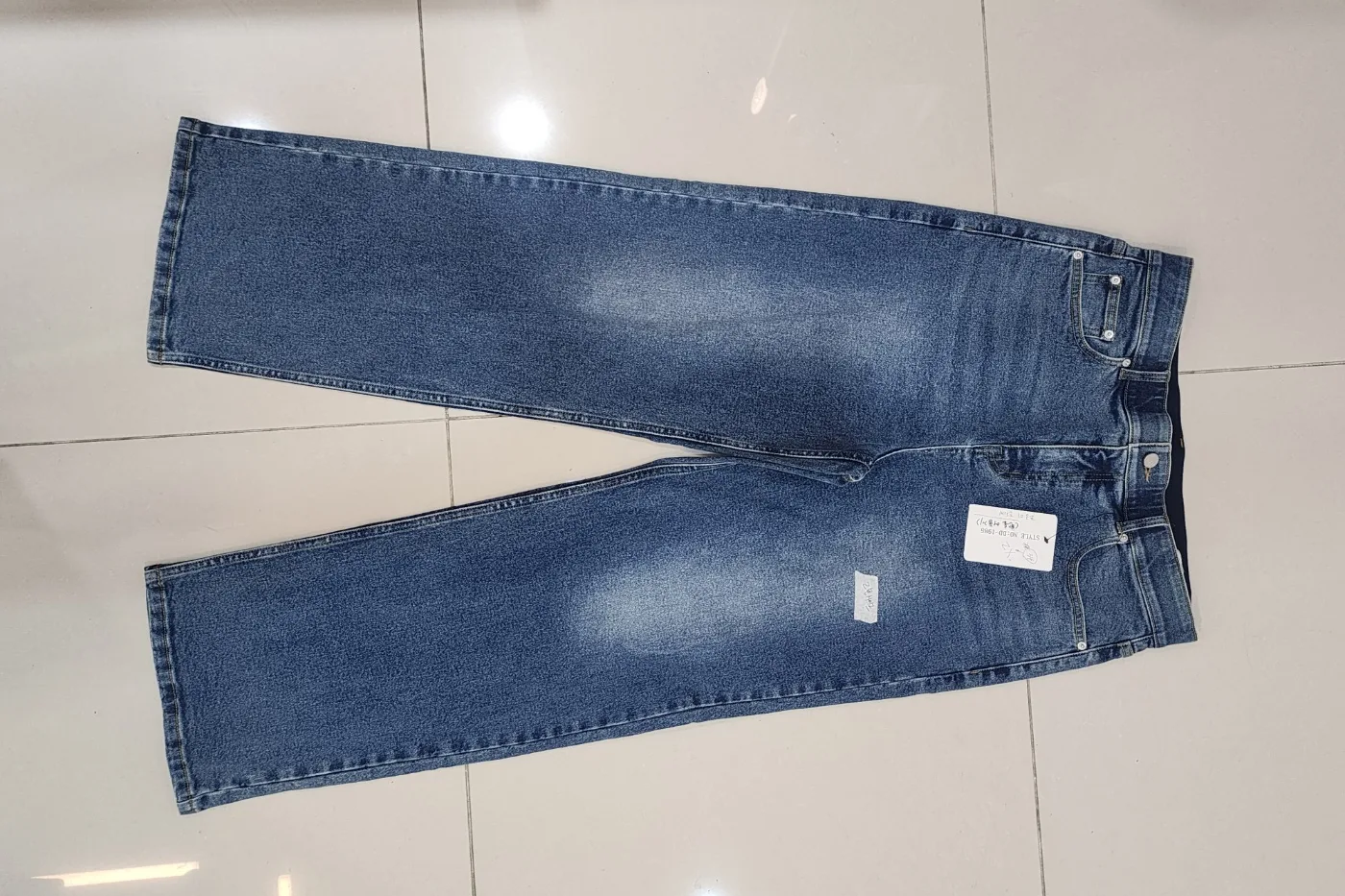
Petite bootcut leggings. Plus-size menswear. Tops cut to flatter the waist and hips. When a garment is designed around a particular body type, you should expect to revise the sample more than once. On the projects I handled, the petite bootcut leggings went through three to four sample rounds, a unisex T-shirt sized XS to XL went through three, and a pair of jeans with built-in hip pads went through two.
I have worked as a fashion designer for fifteen years, and these days I run small-batch apparel development and production from Seoul. This post walks through what I actually changed on those samples, who I had try them on, and what I treated as the point where a sample was good enough to go into production. If someone else is making your clothes, the same questions will help you plan the timeline and the budget.
1. How closely a garment fits decides how many rounds it needs
Put the three projects side by side and a pattern shows up.
The closer the fit, the wider the size range, and the more the garment tries to shape the body, the more rounds it takes. Loose garments are far more forgiving. An oversized jumpsuit uniform I made for a scalp micropigmentation studio was produced for staff in only two sizes. I wrote about that project in this post on ordering staff uniforms.
Plan your calendar around that count. In the schedule I give clients, a sample takes about two weeks on average and main production about two to three weeks, depending on how quickly fabric and trims arrive. If your garment is the kind that will need two or three correction samples, put that time into your launch date now rather than discovering it later.
The cost side is less frightening than it sounds. A re-sample costs less than the first sample, because the pattern, which is the blueprint of the garment, already exists. I broke down what a first sample actually pays for in this post on sample costs.
2. Shortening the hem does not make a garment petite
I once designed bootcut leggings for a brand aimed at shorter women and took them from sampling all the way through production. The starting problem was simple. Standard bootcut leggings are too long for a short woman.
Over three to four sample rounds, though, the hem was only one of the things we changed.
A shorter person does not just have shorter legs. The waist and the knee sit in different places too. A bootcut starts to flare from around the knee, so if you simply cut length off the hem, you shorten the flared section and leave the knee line sitting below the wearer's actual knee. That is why all three points were adjusted together on these leggings. We also fine-tuned the pattern so the flare still read as a bootcut without spreading too much.
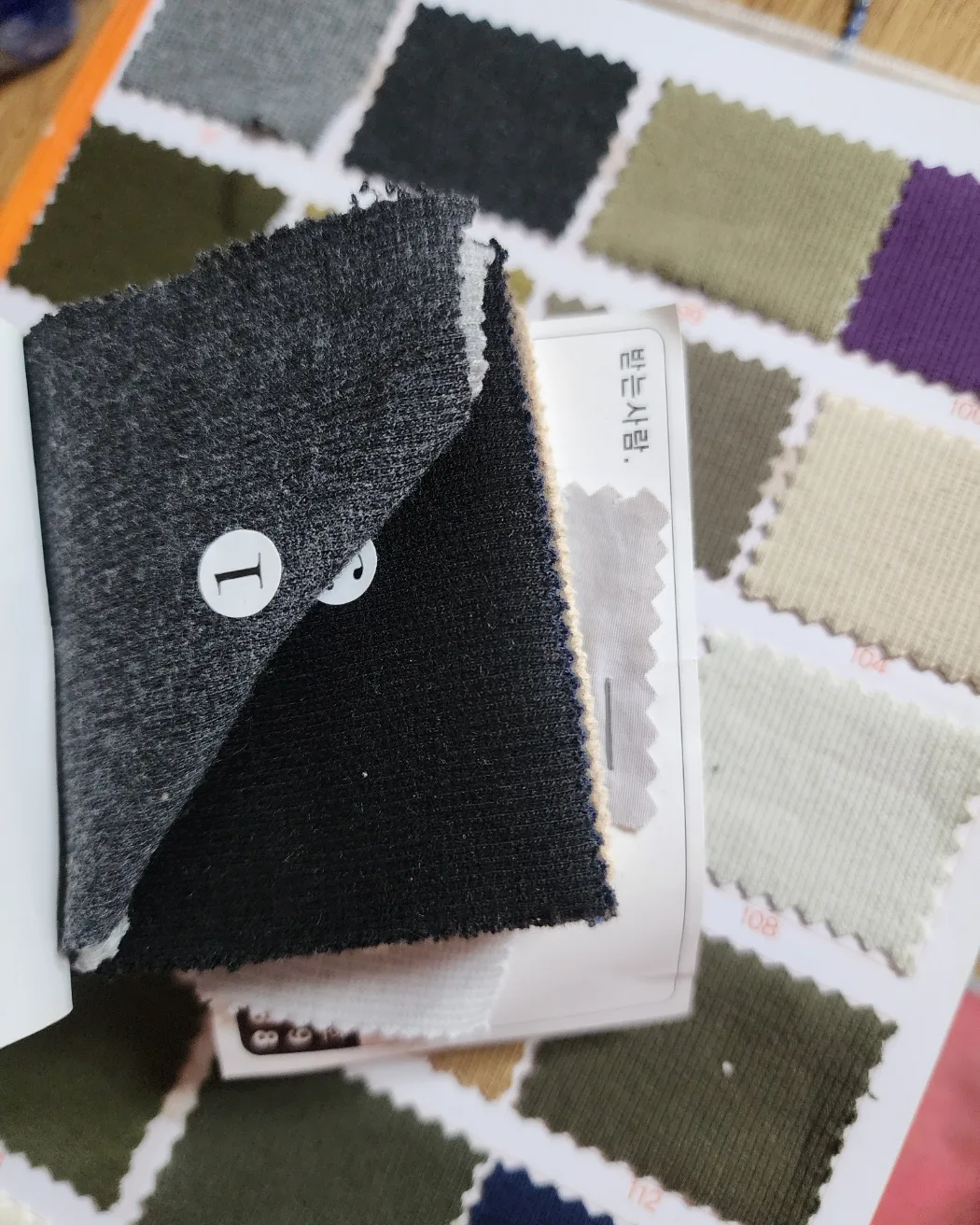
The fabric had to be decided at the same time. A garment that hugs the body loses its shape after a few wears if the fabric stretches out and does not come back. The final choice was a performance fabric that met all three requirements: stretch, recovery, and hand feel. The weight was set so the leggings would not feel hot in midsummer but would still hold their silhouette.
The brand's owner and I traded feedback through several rounds of sampling and fittings. The leggings sold out within two weeks of launch, and a second production run started right away. The reviews kept saying the same two things: the fit was perfect, and the length was exactly right. Length was the problem we set out to solve, so that was the answer coming straight back.
3. Flattering a body comes down to where a few lines fall
For a women's casual brand with a soft, feminine look, I worked on three tops and a jeans sample. The goal there was a little different: make the wearer's figure look its best.
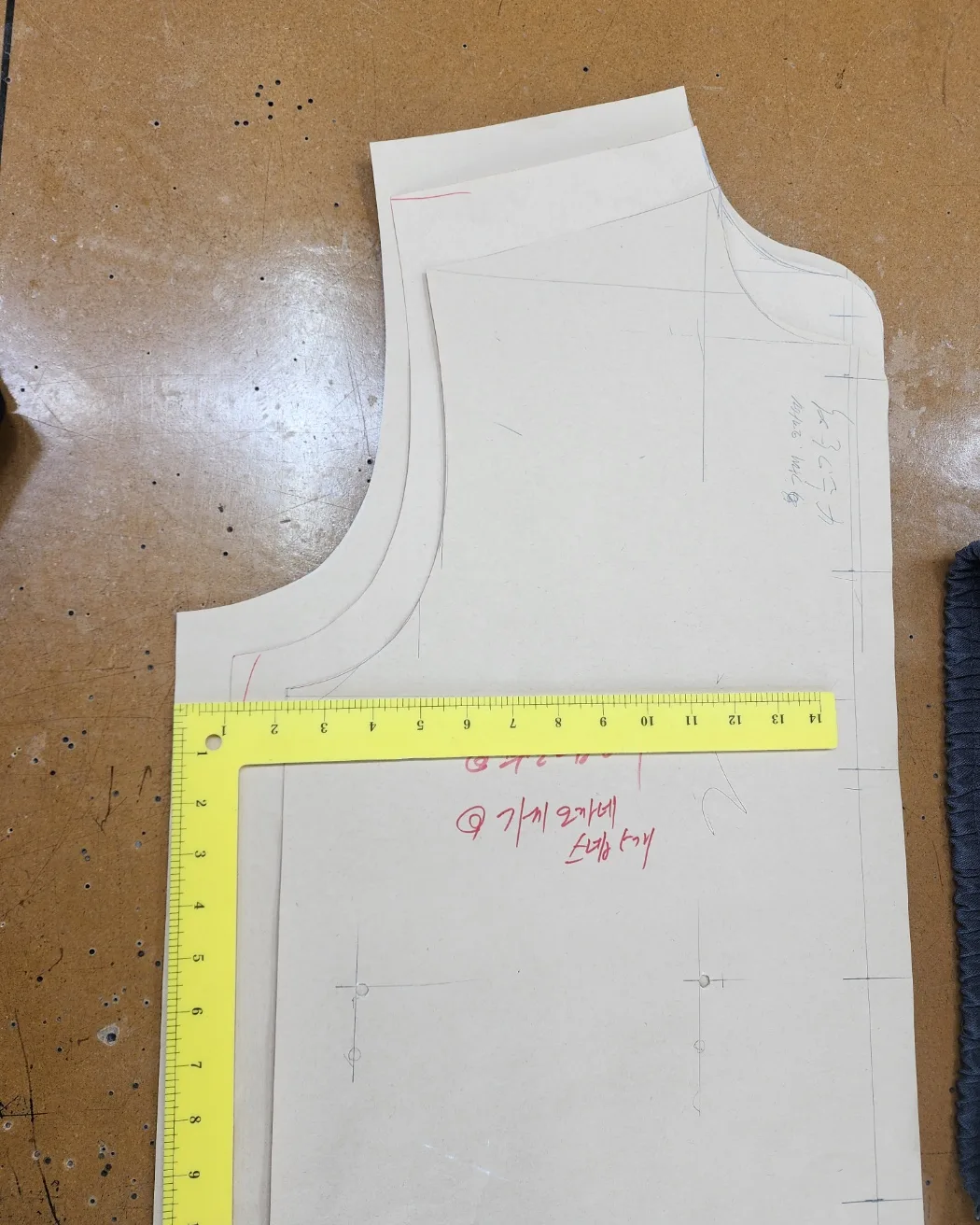
In all four, what decided the result was not a dramatic design idea. It was small lines: where the waist is shaped, how long the shoulder runs, where the hem stops.
Shaping elements like pads deserve extra caution, because how they look and how they feel are two separate tests. A garment that looks great but is uncomfortable stays in the closet. The jeans went through a second round precisely to get both right at once. Reviews for the line kept mentioning that the fit was pretty and the lines looked alive.
4. Test samples on the body you are designing for
In plus-size menswear, the line of a garment changes from size to size. If you simply scale a small size up in proportion, the larger sizes end up looking and feeling off, so the differences between sizes had to be checked one by one.
For the jeans, I had a friend who wears a 4XL try them on. Over a cup of coffee I asked whether anything felt uncomfortable or anything bothered them. Only after they said the stretch was good, he liked the fit, and they were comfortable did the jeans pass.
For the tops, I checked the other end of the range. To see how the neckline turned out, I wore the smallest size myself. Worn as an oversized fit, I liked it.
The largest size was tested by someone who actually wears that size, and the smallest by me, which means both ends of the size range were checked on a real body. If you only ever fit one person, you end up with clothes that fit that one person. The further you move from the base size, the more proportionally scaled lines tend to drift, so the ends of the range are where you most need to look.
The unisex T-shirt went through three rounds for the same reason: refining the fit across XS to XL. Because men and women would both wear it, I put durability first and added tape reinforcement to the neckline to keep it from stretching out of shape.
5. Let the wearer decide when a sample passes
It helps to decide in advance when you will stop sampling and move to production. On my projects, it breaks down like this.
After launch, the numbers give their own answer. The leggings with the corrected length sold out within two weeks, and the unisex T-shirt with three rounds of size refinement got a reorder within two weeks of delivery. Both had gone through at least three sample rounds.
Five questions to ask if someone else is making your clothes
In short
If you have a garment in mind, tell us which body type it is designed for and roughly how many pieces you need. We will start by laying out the possible approaches and a rough schedule.
Request a production quote · Common questions are answered in the FAQ, and past work is documented in the production archive.
Services by Botonglee