When You Cannot Photograph Every Style: Wholesale Apparel Photos Without a Shoot
Photography falls behind in wholesale for a structural reason, not a lazy one. New styles arrive faster than photographs come out.
Ten or twenty new style numbers can land in a single week. Booking a model and a studio means aligning schedules first, and by the time that happens the styles have already been pushed aside by next week's arrivals. So the photos that go out to buyers end up being garments on a hanger, or on a mannequin.
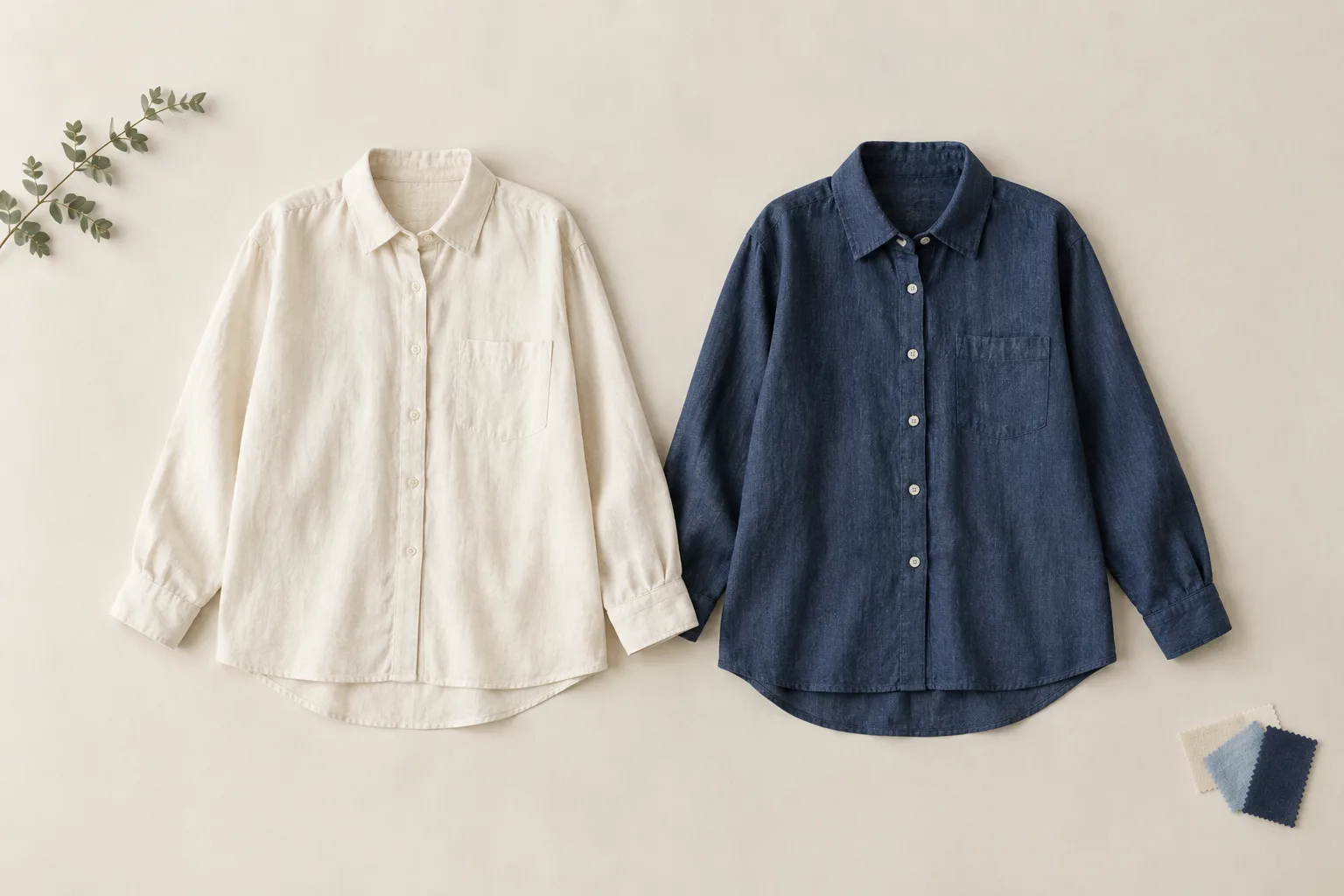
Where mannequin shots lose
Mannequin and cutout shots are not bad photographs. For showing exact color and shape they are often better than a model shot.
But the person receiving them is trying to decide one more thing: how this garment looks once it is on a body.
None of that survives a flat photo. I spent fifteen years making clothes before I photographed them, and the pattern was the same then. The same garment gets a different response hung up than worn. When a buyer is deciding whether to place an order, the worn shot is the last thing they look at.
Which leaves you with a choice
With a handful of styles the answer is easy — shoot them. The problem starts when the count grows.
A real shoot is billed by time. At my studio, shooting is 70,000 won per hour. A model is charged on top of that, and the minutes spent changing garments are part of the shooting time too. For a few flagship styles, this is the right way to do it.
What you cannot do this way is forty style numbers. The cost matters, but the calendar matters more — it does not finish in a day.
Turning one garment photo into a worn shot
This is the problem WEAROOM was built for. There are three steps.
Here is the cream shirt from the flat lay above, run through exactly that.
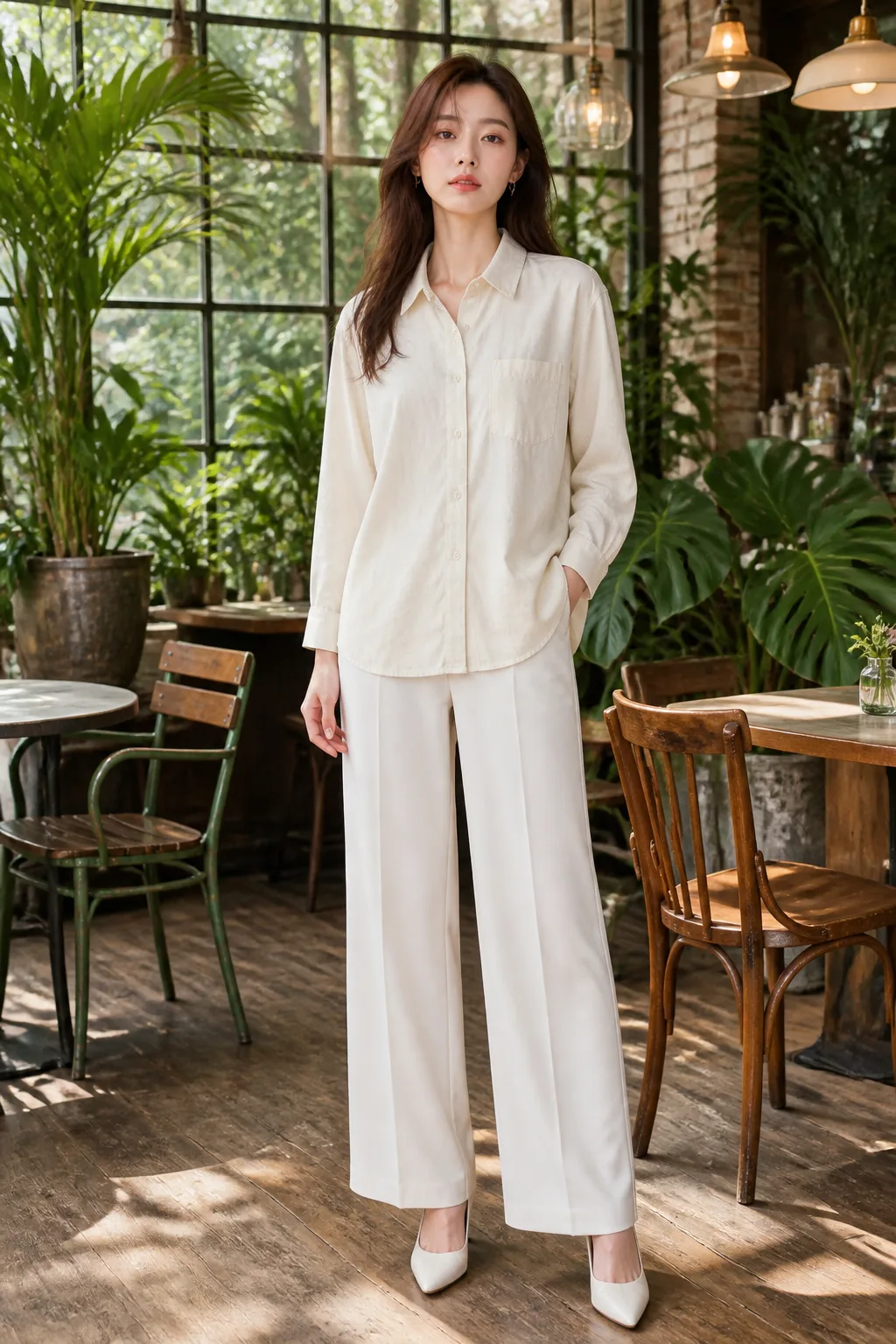
The same garment can be run again with a different background or pose for a set rather than a single frame. Menswear, womenswear, kidswear and accessories all work.
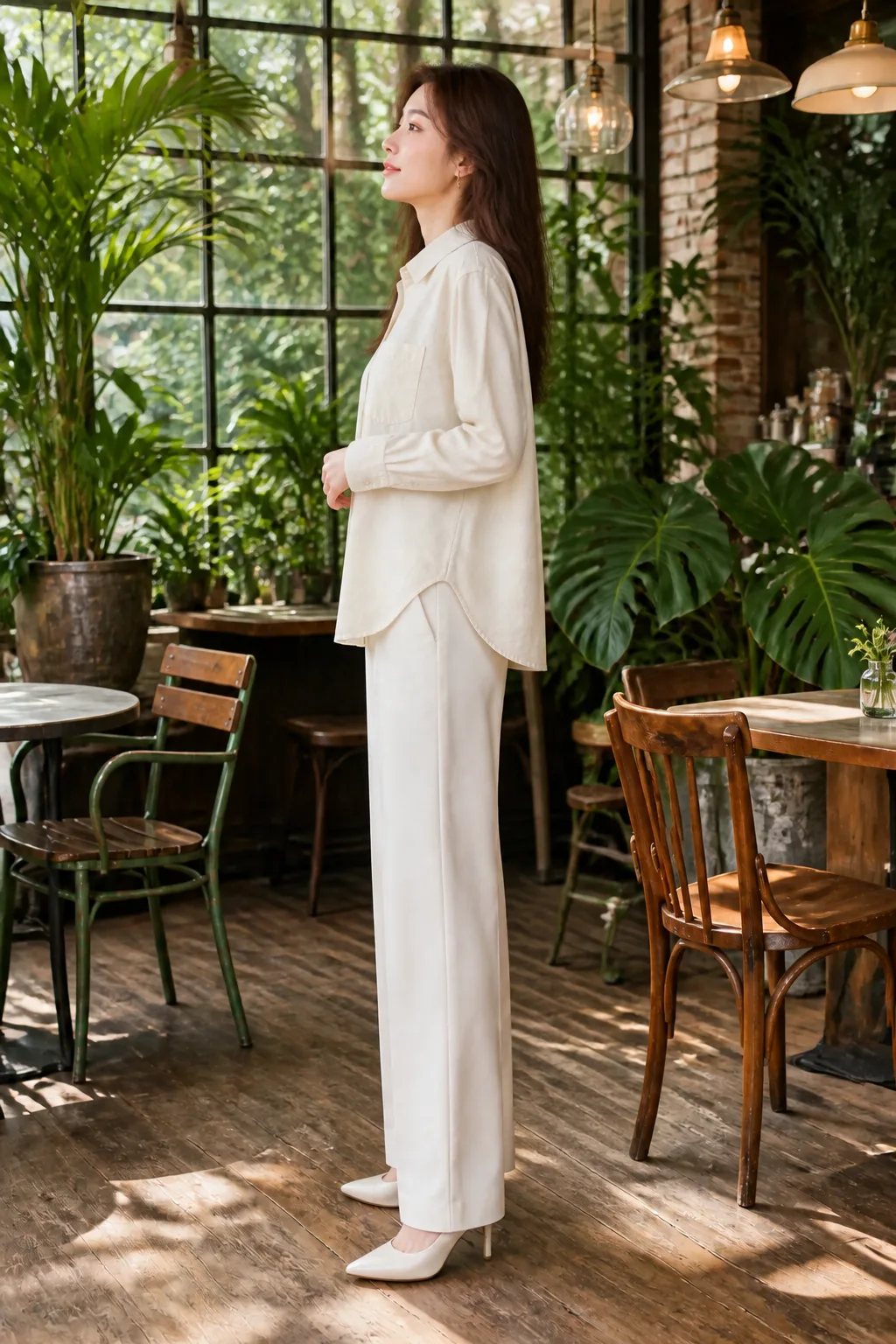
Two other things are possible besides worn shots:
What it costs per image
For wholesale this is the part that decides everything, because at volume the only number that matters is cost per image.
| Plan | Images per month | List price | Per image |
|---|---|---|---|
| Light | 25 | 9,900 won / month | 396 won |
| Standard | 110 | 33,000 won / month | 300 won |
| Pro | 440 | 99,000 won / month | 225 won |
There is currently a 15% launch discount, which brings those to 8,415, 28,050 and 84,150 won. The discount is temporary, so the list prices above are the safer basis for planning. Prices are in Korean won and not converted here, since exchange rates move.
A few things worth knowing before you pick a plan:
New accounts get free generations, so you can run one of your own styles through it before deciding anything.
When a real shoot is still better
I sell this service, so let me be straight about its limits. The point is not to replace photography.
Shoot these properly:
What AI worn shots are for is the high-volume, repetitive part — color variants, basics, and the new arrivals you need to send buyers today. I wrote about the same trade-off from a small brand's point of view, where production cost falls with quantity but photography cost does not.
In short
Run one new style through it and judge from the result — you can try it here.
If your photos are always late because of sample and production timing, this piece on small-batch sample costs and schedules covers the upstream half of the problem.
Services by Botonglee