Booking a Wedding Photographer in Korea: The Full Timeline From Inquiry to Final Photos
Price is the question people ask first. The process is the one that actually stops them from sending the message.
If you have never booked a Korean wedding ceremony photographer — or you are marrying here and the whole thing is unfamiliar — the hesitation is reasonable. When is the date actually mine? How long is the photographer there? When do the photos arrive, and in what form?
Here is my process from the first message to the last file. Everything below matches what is published on my booking and refund terms page.
A note on how Korean ceremonies run
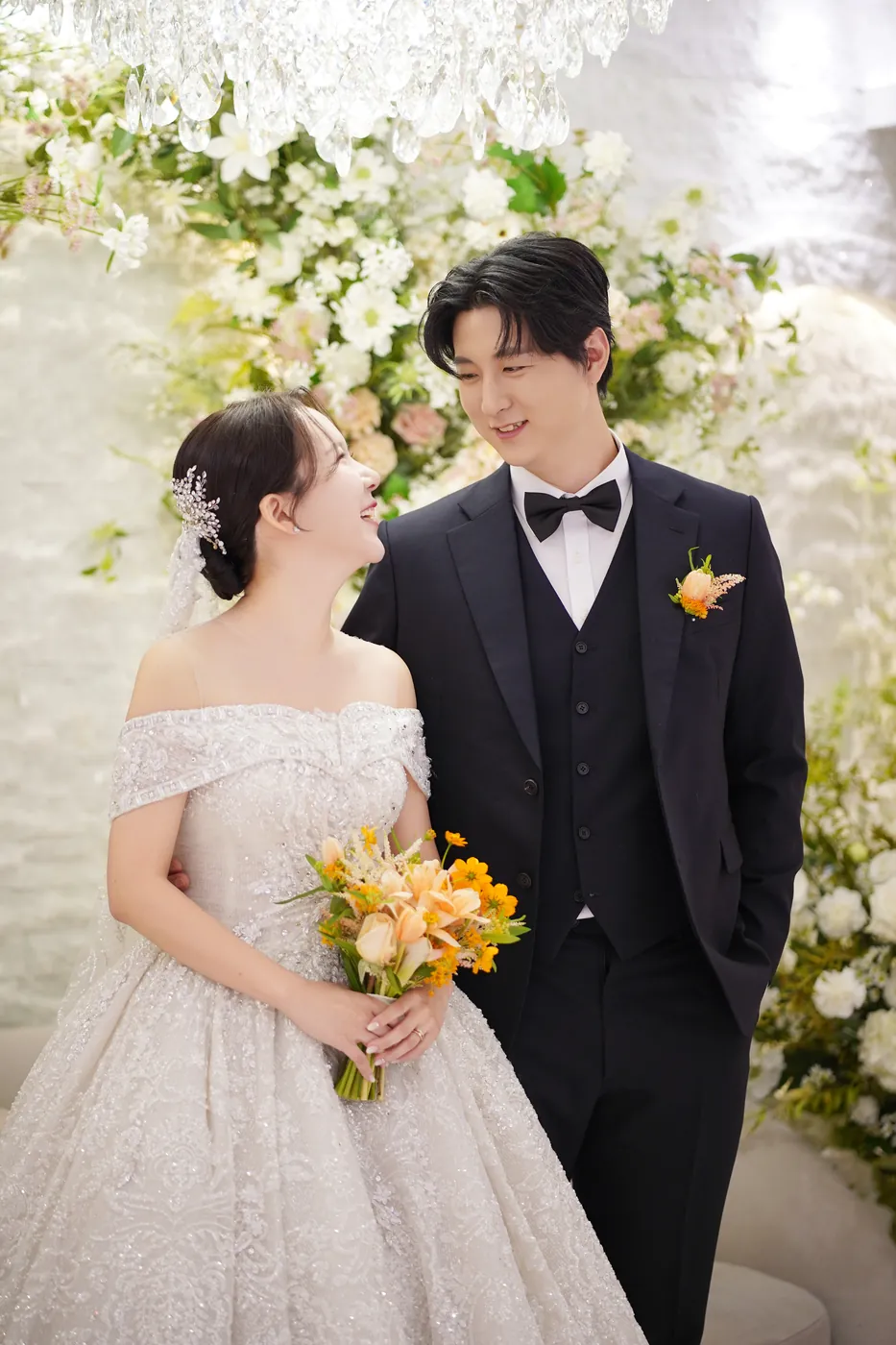
If you are used to Western weddings, one thing is worth knowing up front. Korean wedding halls run on a tight schedule. Several ceremonies often take place in the same venue on the same day, one after another, and the hall staff will keep things moving. The ceremony itself can be over in thirty to forty minutes.
That compression is why the preparation below matters more here than it might elsewhere. There is very little room to work things out on the day.
1. The inquiry — five details
Availability and the quote both come from these five things.
The third one surprises people, so it is worth explaining. A videographer and a photographer want the same positions at the same moments. If I know beforehand, we divide the space before the ceremony starts. If I find out on the day, we spend the ceremony stepping around each other, and both sets of images are worse for it.
I work as a main photographer and as a second shooter joining a team. If you have already booked someone and want another angle covered, that is a normal booking rather than a lesser one. What changes with a second photographer is written up separately.
2. Confirmation — the date is yours when the deposit clears
Ceremony work runs on a written contract, and the booking is confirmed when the deposit is received. The balance is paid before the shooting date.
Once a date is confirmed, I take no other booking that day. That is also why the cancellation penalty rises as the date approaches — a reserved Saturday cannot be resold at short notice. Weekends fill first, so if your date is set, earlier is easier for both of us.
Travel time is calculated and given to you before you confirm, not added afterward. It is measured as public transit time from my studio in Samseon-dong, Seongbuk-gu, to the venue and back. There is no separate call-out fee on top of it.
3. Seven days before — the information form
A shooting information form is due seven days before the wedding. It is not a formality. It is the single step that most changes what the photographs look like.
The form covers:
Three more things make a visible difference: the run of show, reference images of the kind of photographs you want, and the time the bride arrives at the bridal room. Knowing the arrival time lets me use the quietest part of the day properly, and the bridal room is where the most relaxed expressions happen.
Ask the venue one specific question
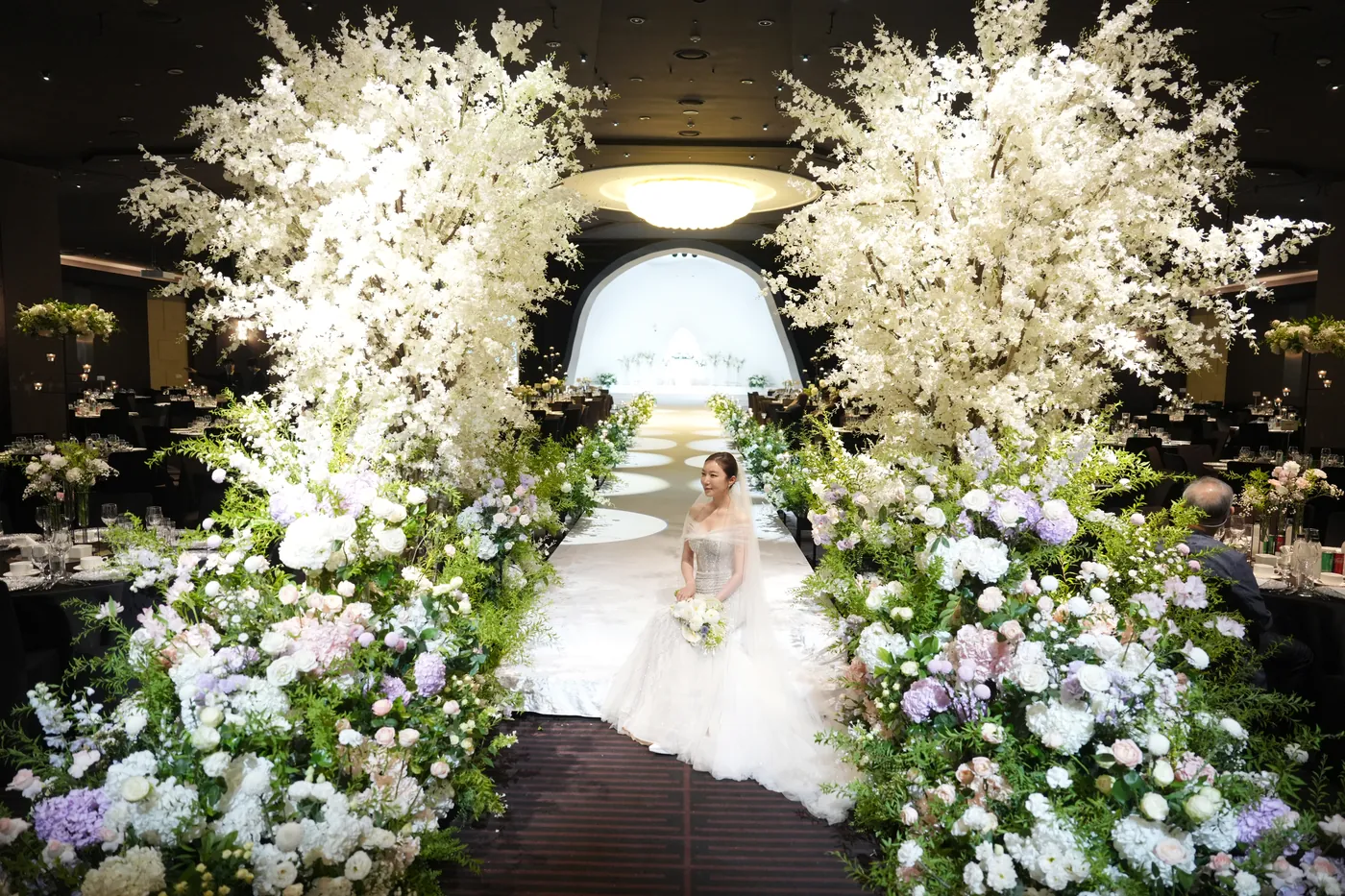
On a venue tour, if you ask whether the lighting follows the couple down the aisle, every venue says yes. The equipment is almost always there.
The real variable is not the equipment. It is the timing of whoever is running the lights that day. Someone experienced tracks the entrance in time. On another day the light arrives half a beat late, again and again, and there is nothing the photographer can do about it from the floor.
So ask this instead: "Can you ask the lighting operator in advance to follow the entrance?" A request made ahead of time is usually honored. How a bright hall differs from a dark one is covered in this piece on venue lighting.
4. The day — from ninety minutes before through the portraits
I arrive ninety minutes before the ceremony starts and stay through the end of the formal group portraits. That is three hours as standard.
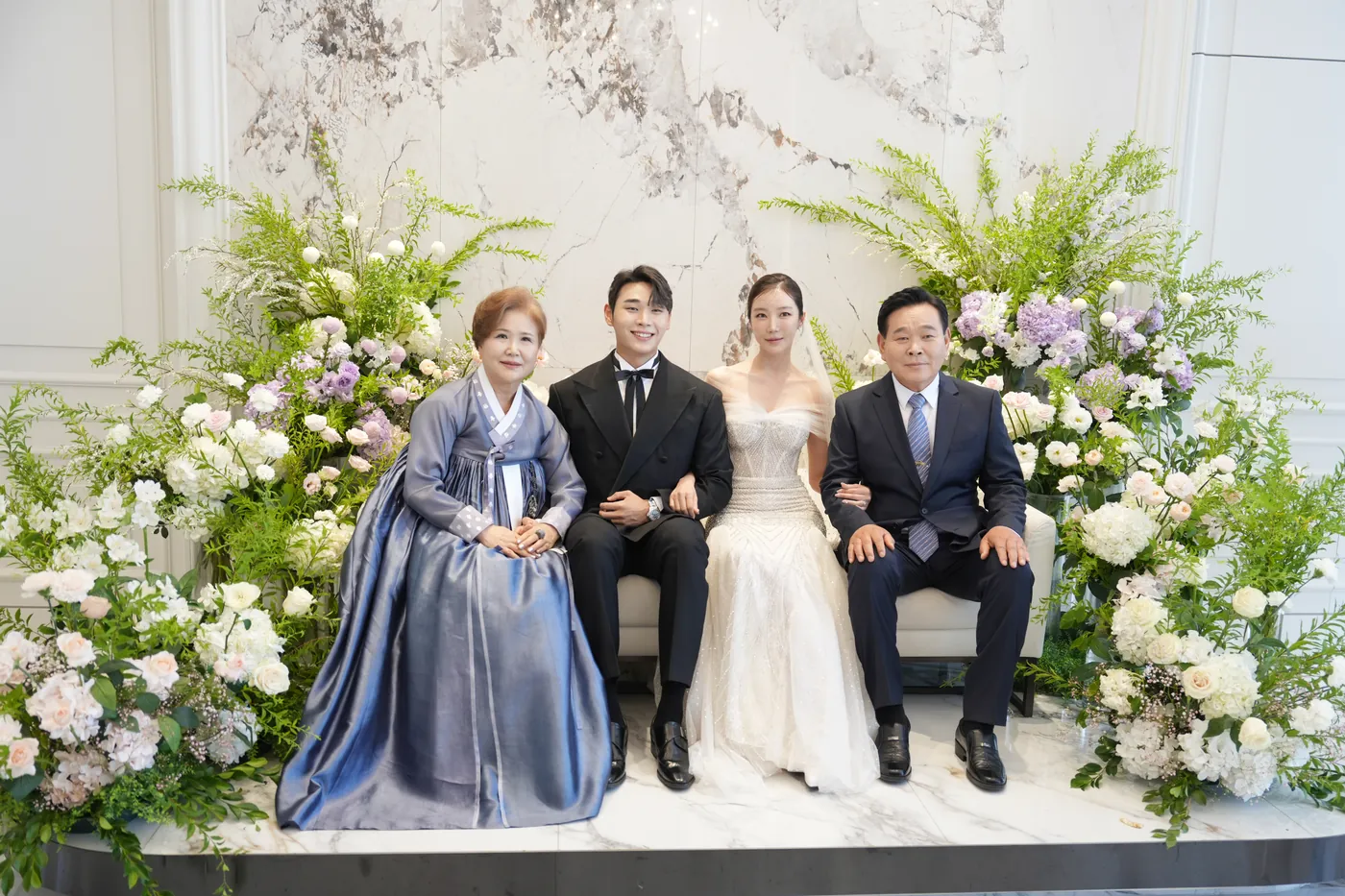
The after-party, the paebaek (the traditional family ceremony that follows), arrival shots at the car, and the makeup studio are not included in standard coverage. If you want them, say so by seven days before and we adjust the scope. Additional time is charged.
If the ceremony runs past three hours, the extra time is billed in thirty-minute increments. Venue entry fees, parking and the photographer's meal are paid by the client rather than included in the fee — better known in advance than discovered at the venue.
If you want to see what a full day actually looks like, this portfolio post follows one ceremony from the bridal room through the portraits. The text is in Korean, but the photographs are the point.
5. After the shoot — when the photos arrive
This is the most common question, so every deadline is fixed in writing.
| Stage | What you receive | Deadline |
|---|---|---|
| Raw files | Every frame shot, unretouched | Within 7 days of the wedding |
| Retouch selection | You choose how many images to have retouched | Within 6 weeks of receiving the raw files |
| Retouched images | Standard retouching on the images you selected | Within 6 weeks of your selection |
| Download | Web storage link | Available for 3 weeks from each delivery |
There is no minimum number of retouched images. You receive everything first, then select only what you want. One image is fine. A hundred is fine. Retouching is 7,000 won per image.
I do not use packages that bundle a set number of retouched photos, and the reason is practical. If the bundled count is too low you pay a surcharge; if it is too high you pick extra images just to use them up. Neither is money you needed to spend.
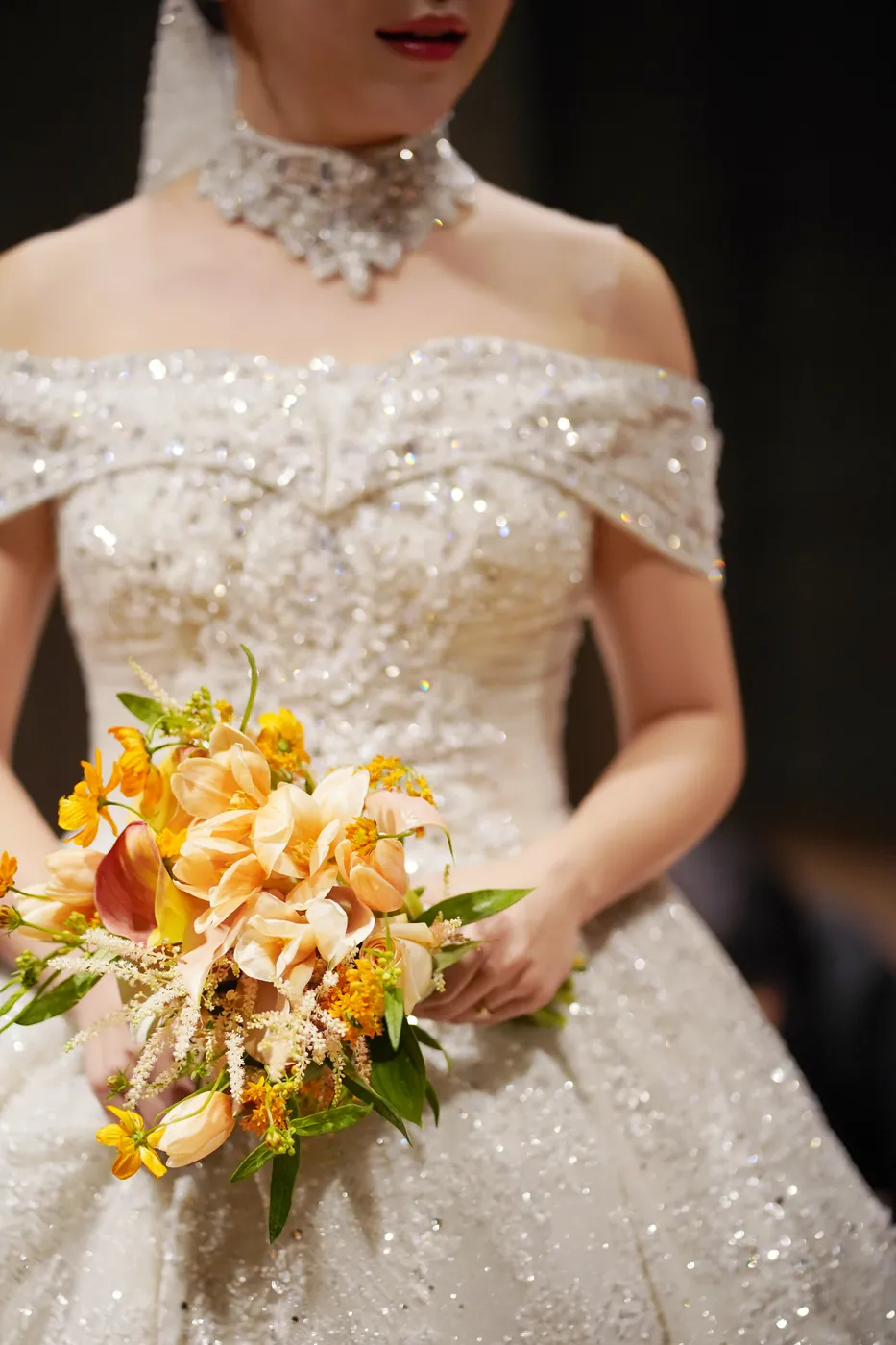
Standard retouching means color and white balance, exposure and contrast, basic blemish cleanup, and straightening. Body or facial reshaping, compositing, background changes and swapping expressions between frames are quoted separately before any work begins.
Raw files are kept for six months after the wedding and then deleted. Download them during the three-week window and keep your own copy. Within those six months I will re-upload once on request.
6. How the fee is calculated
Shooting is 70,000 won per hour, one rate for everything. The fee is shooting time plus round-trip travel time. A standard three-hour ceremony is 210,000 won, plus travel to your venue. Retouching is 7,000 won per image as above. Albums are optional, 200,000 to 400,000 won depending on size, page count and cover.
Why I publish the full calculation instead of asking people to call for a quote is explained here.
In short
If your date is set, send me the venue and the time. I will confirm availability and the expected cost.
Booking information
Wedding photography inquiries
Looking for a woman photographer for your ceremony, or already booked someone and need a second shooter? Send me the venue and the date and I will confirm availability right away.
Services by Botonglee